

A Cypriot wine variety is being trialled in Australia’s Riverland, with early results suggesting strong resilience to heat and drought conditions.
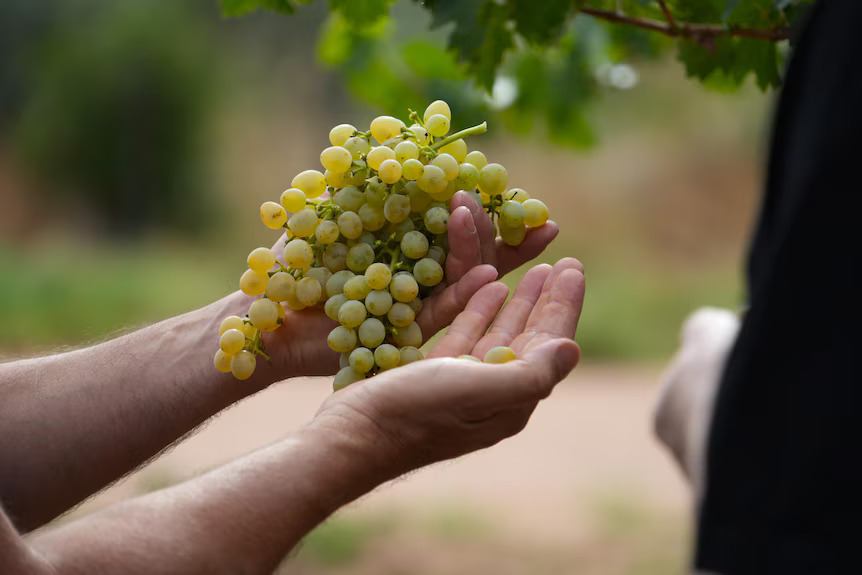
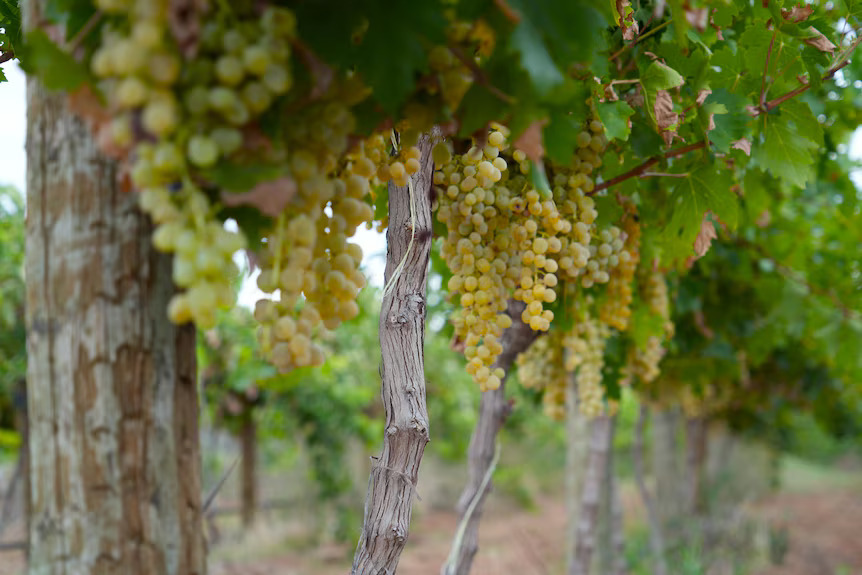
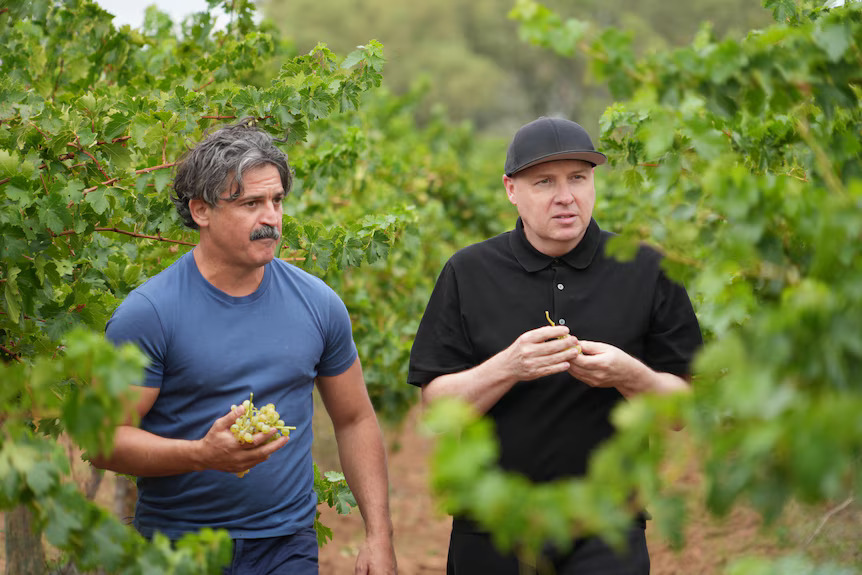
The Xynisteri grape is being grown in South Australia’s Riverland by growers looking for alternatives to traditional grape varieties affected by climate change.
Reduced water use and strong heat resistance
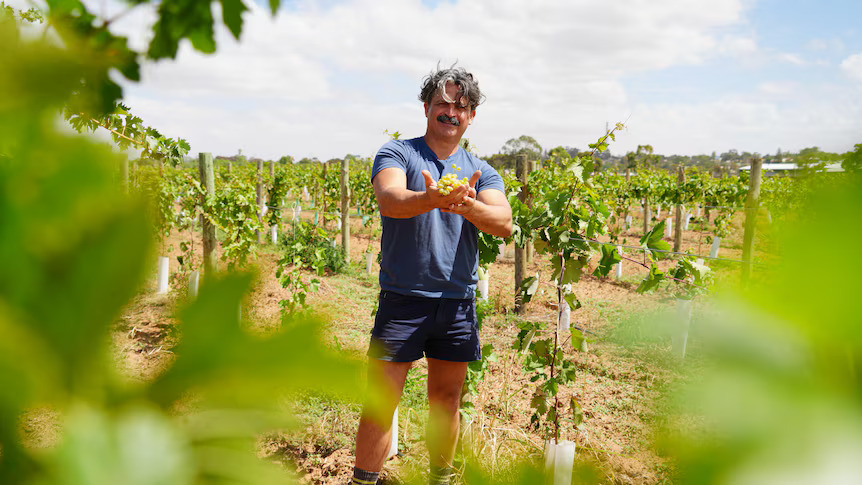
Grower Yianni Koutouzis is among those experimenting with the ancient grape, describing himself as the “black sheep” of the region for choosing the Cypriot variety.
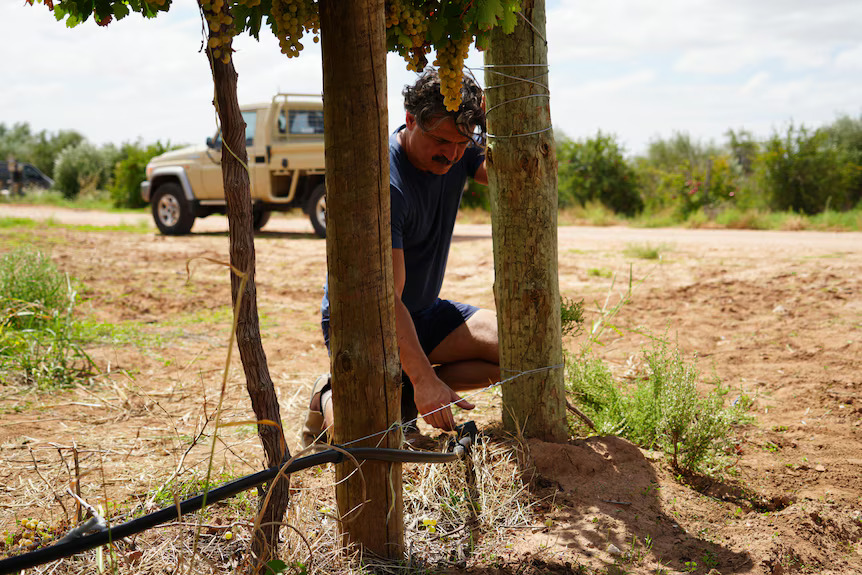
The vines have reportedly used around 75% less water compared with shiraz and chardonnay, with irrigation needs dropping significantly after establishment.
The crop also survived extreme conditions, including a 49°C heatwave, with minimal damage.
Unlike conventional varieties requiring frequent watering, the Xynisteri vines can reportedly go months without irrigation.
Connection to Cypriot heritage
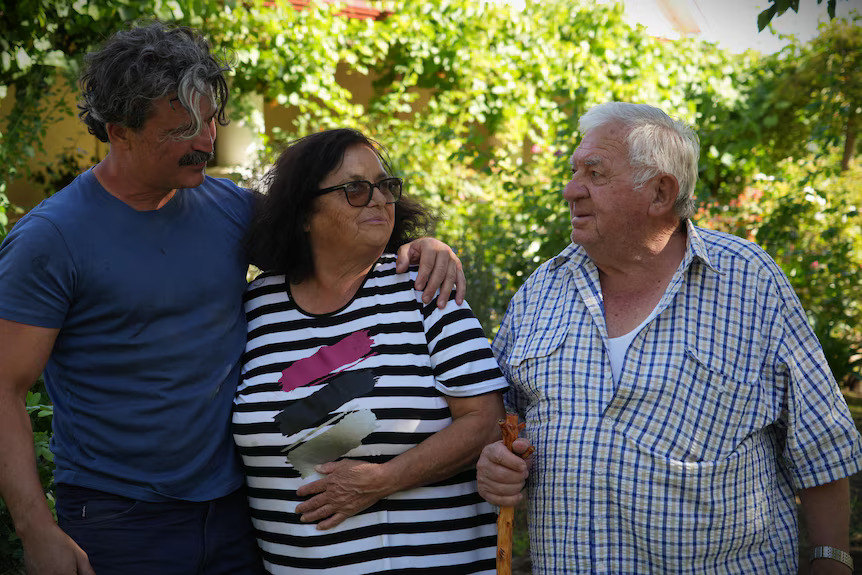
The variety, which has over 5,500 years of history and originates from Cyprus, has also created a cultural link for growers of Cypriot heritage in Australia.
Koutouzis said the project reconnects him with his family roots and traditional winemaking practices, describing the experience as deeply meaningful.
Climate pressures driving change
Researchers say the trial comes at a critical time for Australian viticulture, with rising temperatures and declining rainfall placing pressure on traditional wine production.
Climate projections indicate temperatures in parts of South Australia could rise by nearly 2°C by 2070.
Experts say water security and rising irrigation costs are becoming major concerns for grape growers.
Wine industry specialists say traditional French grape varieties such as shiraz, cabernet and chardonnay may struggle in warmer conditions without sufficient irrigation. The Xynisteri grape is now being seen as one of several potential alternatives better suited to Australia’s changing climate.
Researchers note that its strong root system and adaptability to limestone-rich soils make it particularly promising for South Australian conditions.
Early success and expansion
Early trials in both the Riverland and the Barossa Valley have shown encouraging results, with hundreds of bottles already produced by some growers.
While still in limited production, growers believe the variety could play a long-term role in diversifying Australia’s wine industry.
Hope for the future
Despite ongoing challenges in the sector, producers involved in the trials say the results offer optimism.
For many, the Xynisteri grape represents both innovation and a return to traditional Mediterranean winemaking heritage.
Also read: Sir David Attenborough 100th birthday: the voice of planet Earth
For more videos and updates, check out our YouTube channel
