

The broadcaster who changed how we see the planet
For much of the last century, humanity has watched the natural world through the eyes- and voice- of Sir David Attenborough.
Generations have grown up listening to him whisper through rainforests, crouch beside gorillas, descend into oceans and stand silently in frozen wildernesses waiting for nature to reveal itself. For millions, his documentaries did more than entertain: they fundamentally changed how people understood life on Earth.
As Sir David celebrates his 100th birthday, tributes from across science, broadcasting and public life have reflected not simply admiration for a television presenter, but recognition of a figure who helped reshape humanity’s relationship with the natural world.
In a message released ahead of the milestone, Attenborough said he had been “completely overwhelmed” by the flood of birthday wishes sent from around the world.
“I had rather thought that I would celebrate my 100th birthday quietly,” he said. “But it seems that many of you have had other ideas.”
At London’s Royal Albert Hall, the BBC is marking the occasion with a special concert celebrating his life and work, featuring archive footage, orchestral performances and appearances from broadcasters, conservationists, and longtime collaborators.
The celebrations honour a career spanning more than 70 years, and a body of work that evolved alongside television itself.
From rejected radio applicant to BBC pioneer
When David Attenborough first applied to the BBC in the early 1950s, he was not trying to become a television icon.
At the time, he was working as an editor of children’s science textbooks and growing increasingly restless. His original application for BBC Radio was rejected, but he was unexpectedly offered a role with the corporation’s fledgling television department instead.
Television in 1952 was primitive by modern standards. Most programmes were broadcast live, technical limitations were severe, and wildlife filmmaking barely existed as a serious television format.
Attenborough joined on a short-term contract, uncertain whether leaving stable employment was wise for a young man with a family to support.
That decision would alter the history of broadcasting.
One of his earliest breakthroughs came with Zoo Quest, the pioneering series that blended studio presentation with wildlife footage filmed on location around the world. The format was revolutionary for its time.
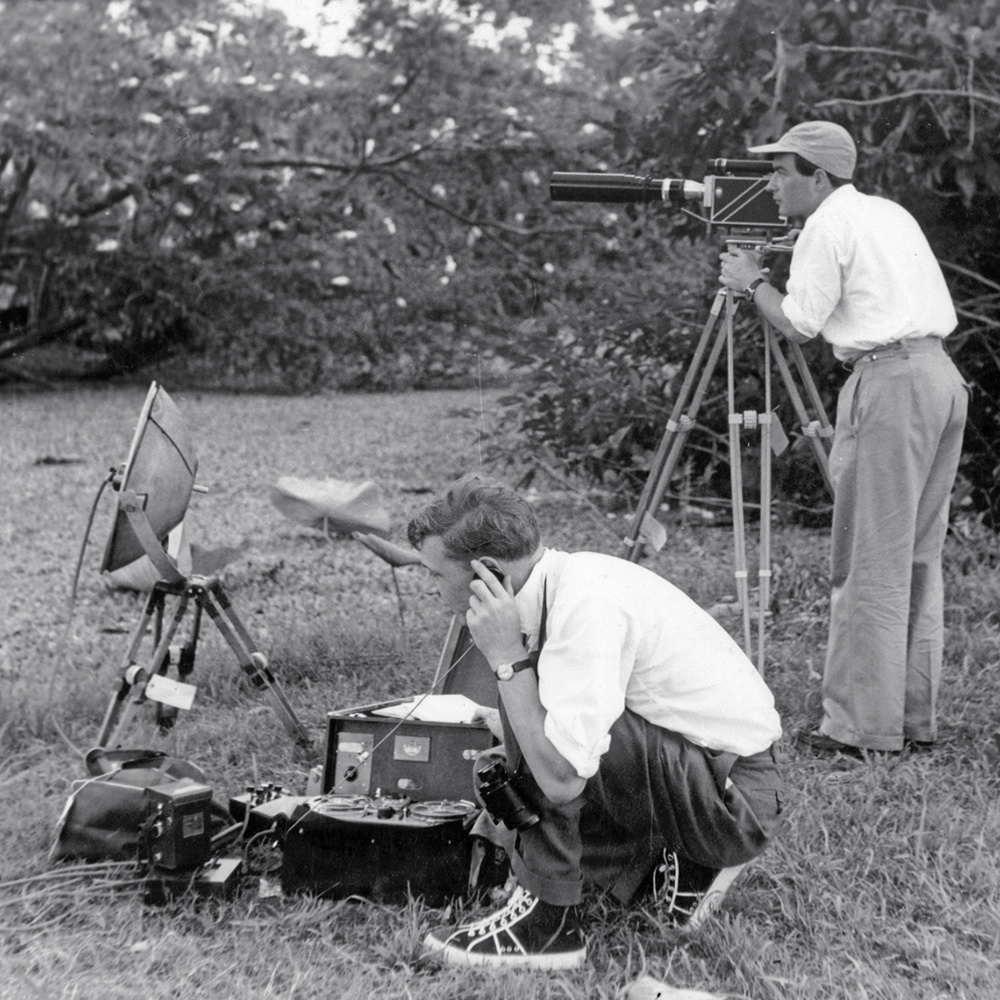
Rather than relying on static studio discussions about animals, Attenborough and his team travelled into jungles, deserts, and remote islands to film species many viewers had never seen before.
Those expeditions were often physically gruelling and occasionally dangerous.
The team became among the first filmmakers to capture footage of animals such as the Komodo dragon and the rare white-necked rockfowl. Audiences who had rarely travelled beyond their own cities suddenly found themselves transported into dense rainforests and isolated ecosystems.
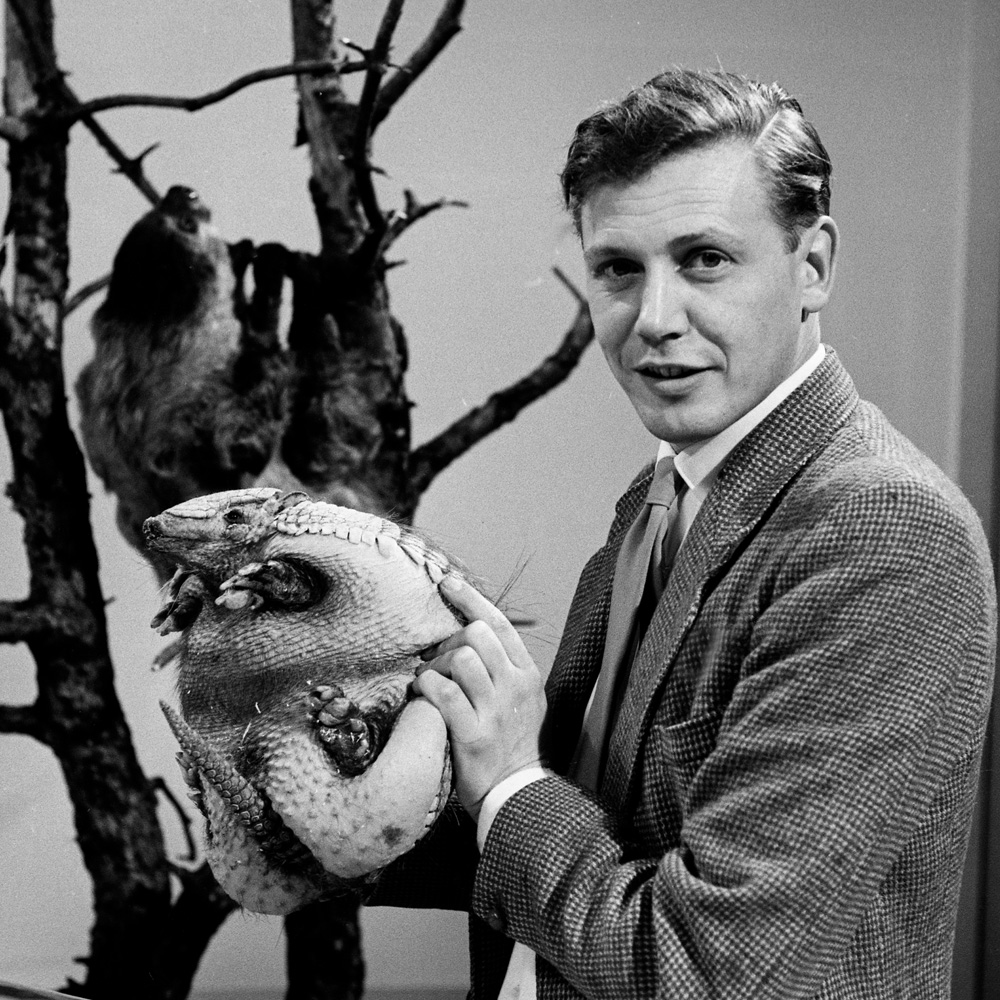
Looking back decades later, Attenborough acknowledged that some aspects of those early expeditions- including capturing animals for zoos- belonged to a different era of scientific understanding.
“At that time, we thought the natural world was inexhaustible,” he reflected in later interviews.
That perspective would dramatically change over the course of his lifetime.
The man behind television’s technological revolutions
Although Attenborough would become famous as a presenter, his influence behind the scenes at the BBC was equally transformative.
By the 1960s, he had risen rapidly through the corporation’s ranks and became controller of BBC Two at a time when British television was entering a technological revolution.
He played a central role in launching colour television in Britain, determined that the BBC should lead Europe into a new broadcasting age.
The arrival of colour transformed television, but Attenborough understood that technology alone meant little without ambition. He pushed for large-scale, intellectually serious documentaries made with cinematic production values.
That vision led to landmark series such as Civilisation and The Ascent of Man, productions that elevated factual television into something epic, artistic and culturally significant.
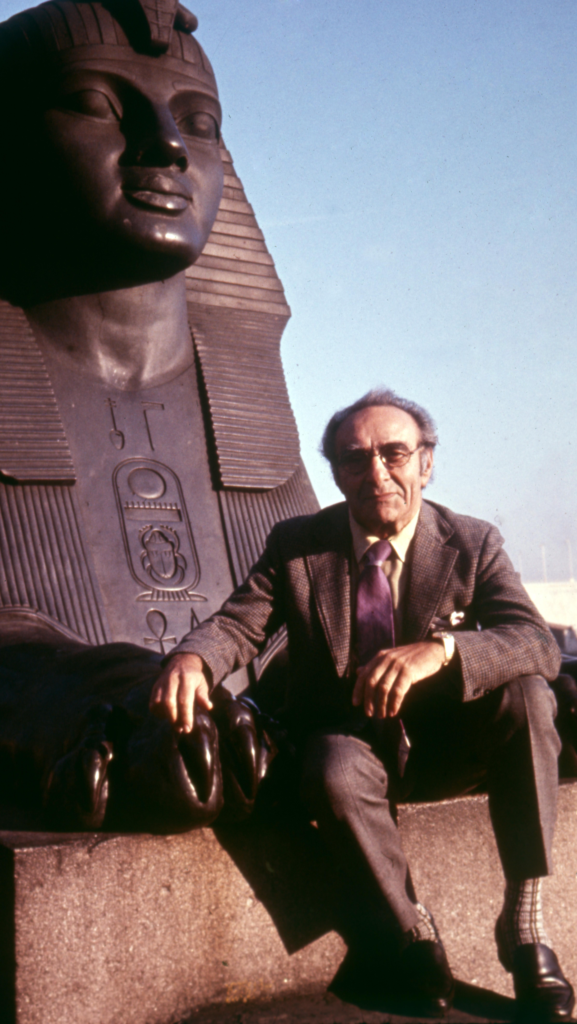
But even while serving as an executive, Attenborough remained drawn back toward filmmaking itself.
“I am a programme man,” he once said. “That’s what I enjoy.”
Life on Earth- and television history
His return to presenting produced one of the most important documentary series ever made.
Life on Earth, first broadcast in 1979, was an unprecedented attempt to tell the story of evolution and life across the planet in a single television series.
Filmed over four years in more than 100 locations, the production became the first nature documentary to cost more than £1 million, an extraordinary figure at the time.
The series changed natural history filmmaking forever.
It combined scientific explanation, cinematic storytelling, and groundbreaking wildlife footage on a scale never previously attempted. Audiences did not simply observe animals; they were immersed in ecosystems.
One sequence in particular became television history: Attenborough sitting quietly among mountain gorillas in Rwanda as the animals curiously interacted with him.
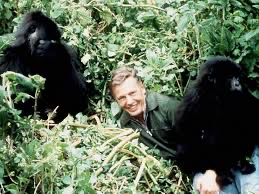
“The encounter I had with the gorillas,” he later recalled, “it seemed to go on forever. I was kind of in paradise.”
Life on Earth became the foundation for decades of landmark BBC productions, including The Living Planet, The Trials of Life, The Blue Planet, Planet Earth and Frozen Planet.
Together, they formed what many consider the definitive visual encyclopedia of life on Earth.
Always chasing the next frontier
What distinguished Attenborough from many broadcasters of his generation was his willingness to embrace technological change rather than resist it.
Throughout his career, he repeatedly pushed new filmmaking tools to their limits in pursuit of a single goal: bringing audiences closer to nature.
Blue Planet used advanced low-light cameras to reveal creatures from the deep ocean never before filmed in their natural habitat.
Planet Earth became the first BBC wildlife series filmed entirely in high definition, using military-grade stabilised camera systems mounted on helicopters to capture migrations, hunts, and landscapes with extraordinary precision.
His productions later embraced 3D, 4K, and virtual reality technologies.
Attenborough remains the only person to have won Bafta awards for programmes made in black-and-white, colour, HD, 3D and 4K formats- an achievement that effectively maps the technological evolution of modern television itself.
Even physically, he continued pushing boundaries well into old age.
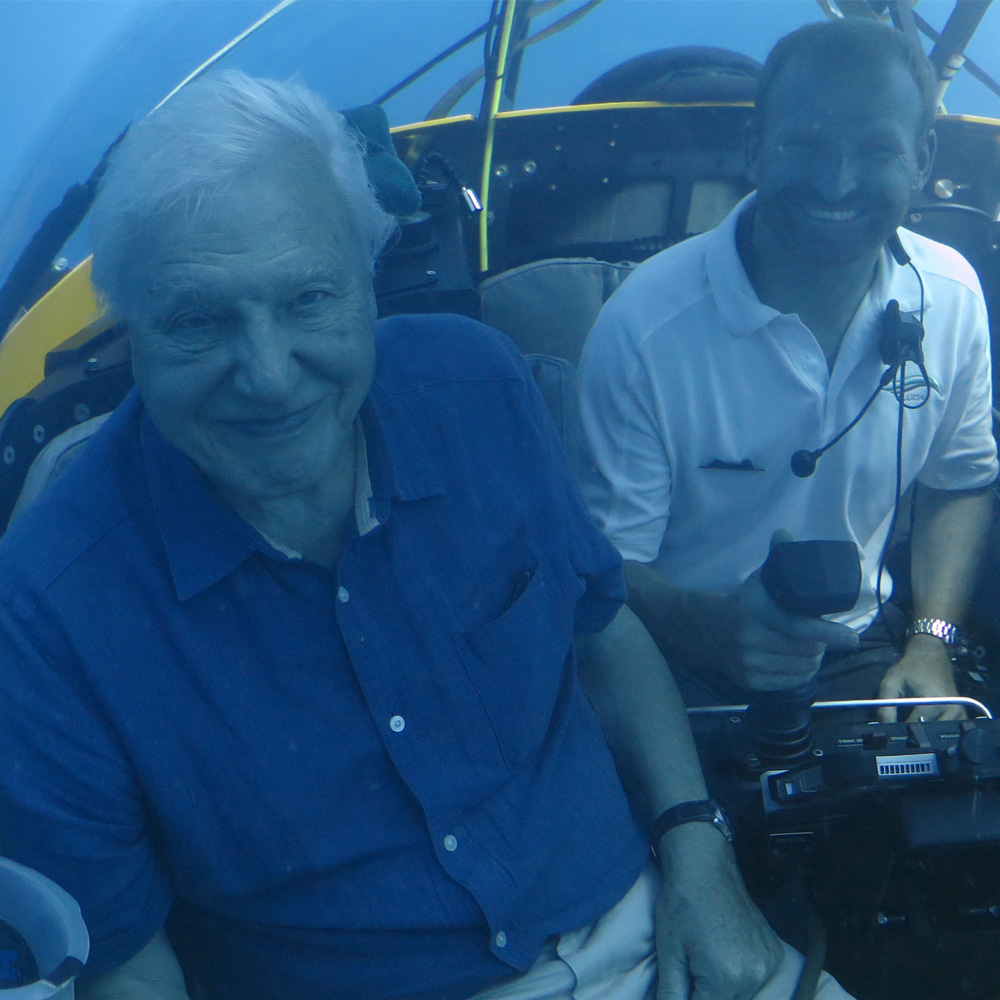
At 89, he completed a record-breaking 300-metre submersible dive at the Great Barrier Reef, becoming the oldest person to descend to such depths.
From natural historian to climate messenger
For much of his early career, Attenborough approached environmental destruction indirectly. His documentaries celebrated nature’s beauty and complexity, but rarely confronted humanity’s role in damaging it.
That changed dramatically during the 2000s.
As scientific evidence surrounding climate change became overwhelming, Attenborough increasingly used his global platform to warn about environmental collapse, biodiversity loss, and the destruction of ecosystems.
In 2006, he publicly admitted that he had once been cautious about climate science.
“I was sceptical about climate change,” he said at the launch of the BBC’s Climate Chaos season. “But I’m no longer sceptical. Now I do not have any doubt at all.”
Over the following years, his documentaries became progressively more urgent in tone.
Programmes addressing plastic pollution, deforestation, ocean decline, and species extinction transformed him from a beloved broadcaster into one of the world’s most recognisable environmental advocates.
Yet his message has rarely been framed around hopelessness.
Even in his 90s, Attenborough continued insisting that humanity still had time to act — a balance of warning and optimism that helped make him uniquely trusted across generations and political divides.
A figure trusted across generations
Few public figures have retained such widespread credibility for so long.
To scientists, Attenborough helped inspire generations of researchers and conservationists. He once recalled professors telling him they entered zoology because they watched Life on Earth as children.
To broadcasters, he became the model for intelligent public-service television.
To audiences, he became something even rarer: a familiar, trusted presence across decades of immense global change.
Tributes marking his 100th birthday have reflected that unusually broad influence.
Presenter Chris Packham said he believed no person in human history had done more to inspire love for life on Earth.
Actor Sir Ian McKellen described him as representing “what was best about the BBC”.
The Duke of Sussex called him a “secular saint”, praising his role in making climate change feel immediate and personal rather than distant and abstract.
Meanwhile, the scientific world continues honouring him in its own way.
More than 50 species now carry the Attenborough name, including frogs, beetles, butterflies, plants, fossils and crustaceans.
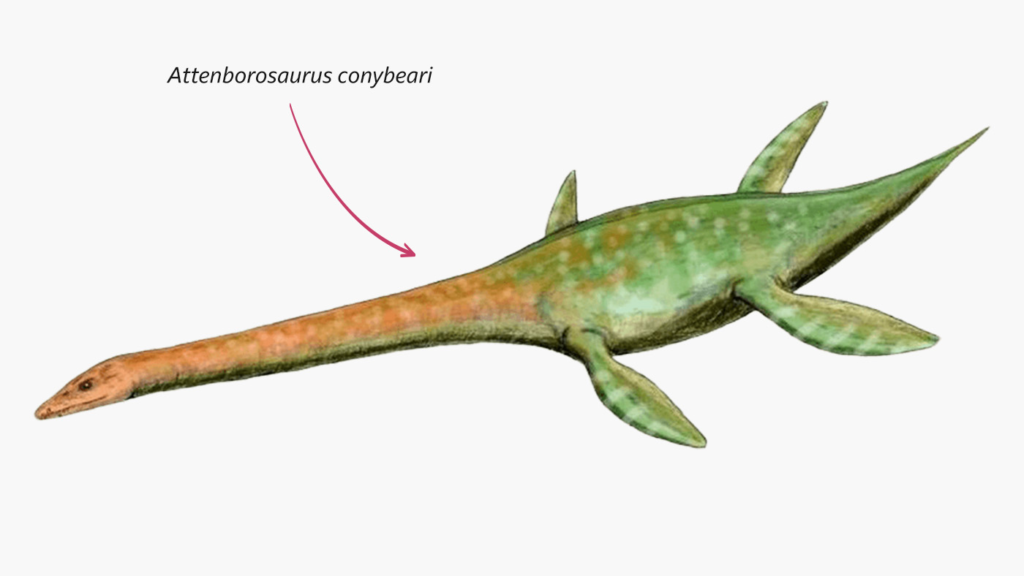
This week, the Natural History Museum announced another addition: a parasitic wasp discovered in Chilean Patagonia named Attenboroughnculus tau.

The enduring power of his voice
Attenborough’s documentaries succeeded because they made audiences feel wonder.
But his deeper achievement may have been something more difficult: convincing millions of people that nature was not simply scenery, but a living system humanity depends upon.
Across seven decades, he helped transform natural history television from niche educational programming into one of the most powerful storytelling forms in modern media.
In doing so, he also documented a planet undergoing profound change.
Many of the landscapes and species he filmed early in his career are now threatened or disappearing. In recent years, his work has increasingly carried the weight of witness as much as celebration.
And yet, even at 100, Attenborough’s central message remains remarkably consistent: that people are capable not only of destruction, but of protection, restoration and change.
For generations who grew up hearing his voice describe the wonders of the Earth, that belief may prove to be his most enduring legacy.
Also read: Indonesia volcano eruption kills three, ten missing
For more videos and updates, check out our YouTube channel
