

On 14 August 1974, the second phase of the Turkish invasion of Cyprus began, dramatically expanding the territory under Turkish military control and leaving consequences that remain unresolved 52 years later.
The offensive, known as “Attila II”, began just hours after negotiations in Geneva collapsed. Turkish forces advanced east towards Famagusta and west towards Morphou, eventually taking control of around 36% of the territory of the Republic of Cyprus.
‘Ayşe can go on holiday’
During the negotiations in Geneva, Turkey demanded that Greek Cypriots evacuate 34% of Cyprus’ territory in the northern part of the island.
Following the collapse of the talks, then Turkish Foreign Minister Turan Güneş contacted Prime Minister Bülent Ecevit and relayed the coded phrase: “Ayşe can go on holiday.”
It was the signal for the second phase of the invasion to begin.
Turkish tanks prepared to advance towards Famagusta in the east and Morphou in the west.
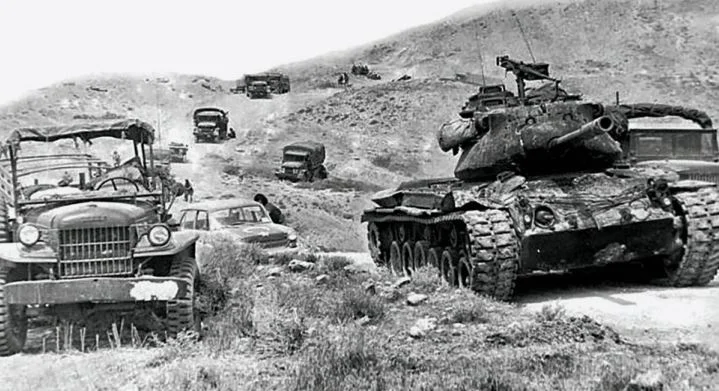
Turkish forces launch second offensive
At dawn on 14 August, the second phase of the Turkish invasion of Cyprus began.
Turkish forces advanced from Nicosia eastwards towards Mia Milia, Kythrea, the Mesaoria plain and Famagusta, while another advance headed west towards Morphou.
President Makarios condemned Turkey’s actions and called on the international community to respond, while Glafcos Clerides returned to Cyprus from the Geneva negotiations.
The United Nations Security Council called for a ceasefire as the offensive continued.
Greece also withdrew from NATO’s integrated military command amid the crisis.
Famagusta and Morphou captured
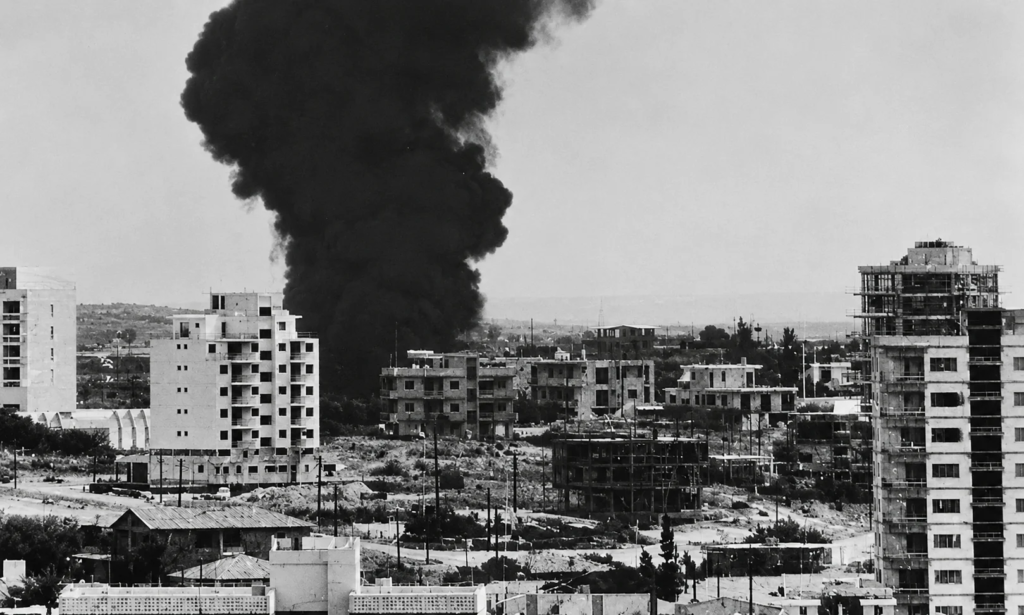
By 16 August, Turkish forces had captured Morphou and Famagusta.
By 18:00, Turkish troops had established what became known as the “Attila Line”, with a ceasefire taking effect after Turkey had taken control of approximately 36% of the Republic of Cyprus’ territory.
Kyrenia, the Karpas Peninsula, the Pentadaktylos mountain range, Morphou, much of the Mesaoria and Famagusta were now under Turkish military control.
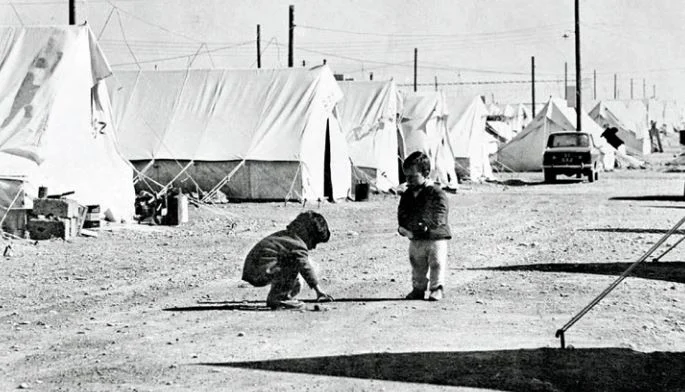
The invasion left Cyprus divided, with thousands of people displaced and many killed, captured or reported missing.
Fifty-two years later, the consequences of the events of 14 August 1974 continue to shape Cyprus and the unresolved Cyprus problem.
Also read: Thousands in fines at SBA crossing points
For more videos and updates, check out our YouTube channel
