

Women in Gaza: Bearing the burden of war and survival
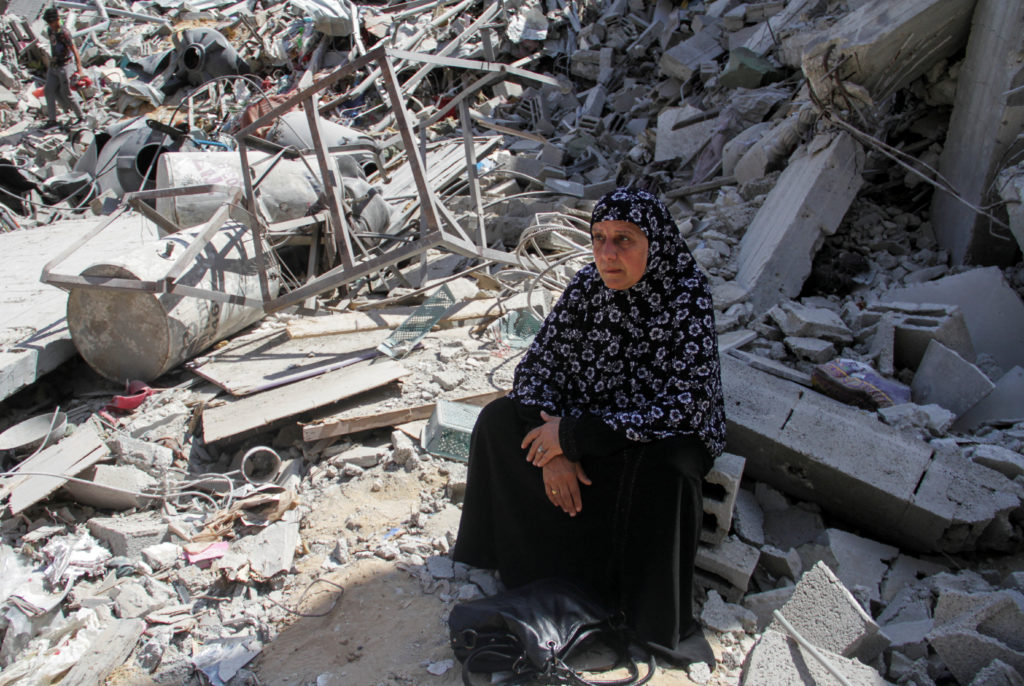
Women in Gaza are facing catastrophic hardship as the conflict continues, carrying the burden of loss, displacement and survival for their families. Thousands have lost husbands, children and homes, forcing many to become sole providers while living in tents or temporary shelters.
Famine conditions declared in Gaza City have intensified the crisis. Nearly a quarter of a million women and girls are starving, while hundreds of thousands more face extreme hunger and acute malnutrition. Many mothers struggle to feed their children, and women often risk their lives waiting in long lines for basic necessities such as bread, water and flour. At the same time, around 700,000 women and girls lack access to menstrual hygiene products and safe sanitation facilities.
The conflict has had a devastating toll on women and girls. Since October 2023, more than 28,000 have been killed and tens of thousands injured, while over one million have been displaced, many repeatedly. Despite these conditions, women continue to hold communities together, caring for children, the elderly and the sick, organising communal support and trying to preserve a sense of normality amid destruction.



Sudan: Women facing displacement, violence and hunger
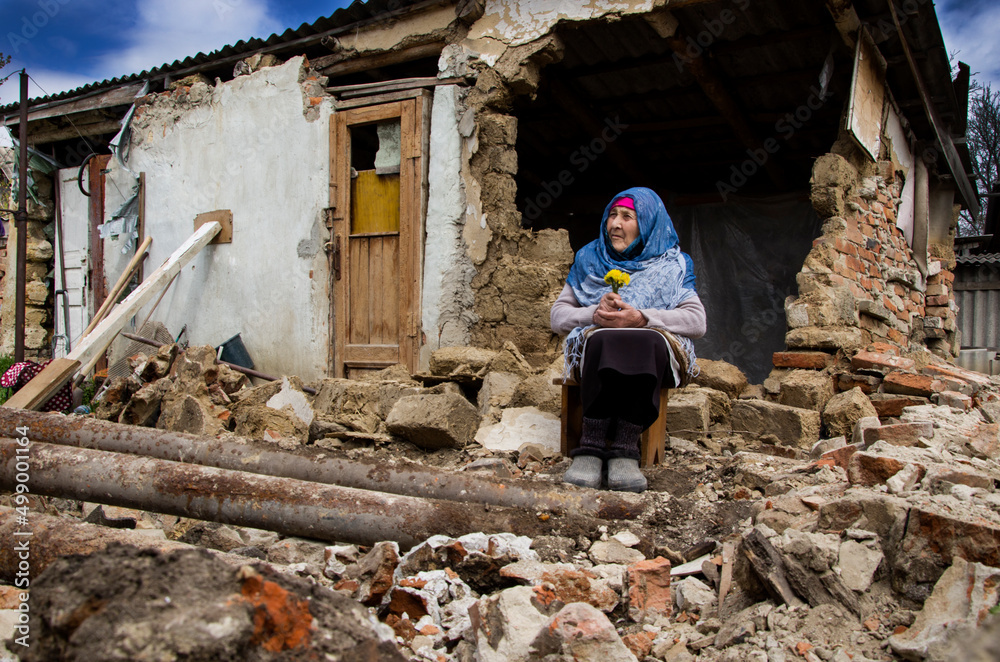
Two years after civil war erupted in Sudan in April 2023 between the Sudanese Armed Forces and the Rapid Support Forces, the country has become the world’s largest humanitarian crisis. Women and girls have been among the hardest hit, making up more than half of the over 12 million people displaced inside and outside the country.
The conflict has intensified gender-based violence, economic insecurity and food shortages. Millions of women have lost their livelihoods and now depend on humanitarian assistance, increasing their vulnerability to exploitation and abuse. At the same time, demand for gender-based violence services has surged dramatically, while most support systems remain severely limited or non-functional.
Essential services for women have largely collapsed. Nearly 80 per cent of hospitals in conflict-affected areas are no longer operating, leaving many women without maternal healthcare, menstrual hygiene supplies or safe spaces. Food insecurity has also worsened, affecting more than half of Sudan’s population, with women often eating last and least within households.
Despite their central role in supporting communities, negotiating safe passage for civilians and providing aid, women have largely been excluded from formal peace negotiations. UN Women and partner organisations are working with women-led groups to provide humanitarian support, livelihoods training and advocacy to ensure women are included in peacebuilding efforts and crisis response.


Ukraine: Women leading amid war, energy attacks and funding cuts
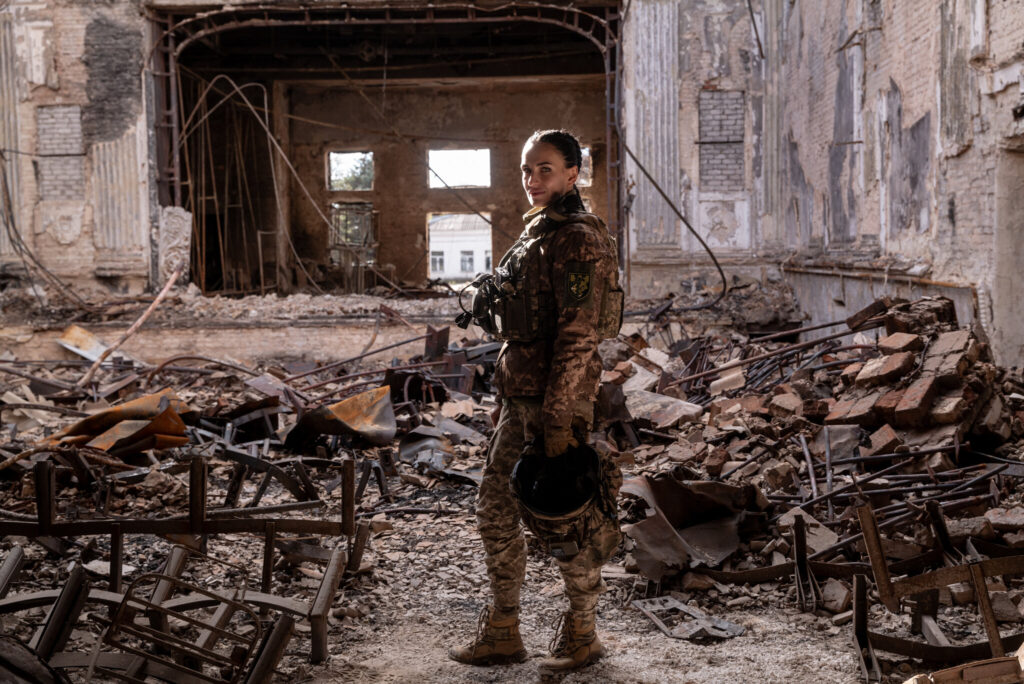
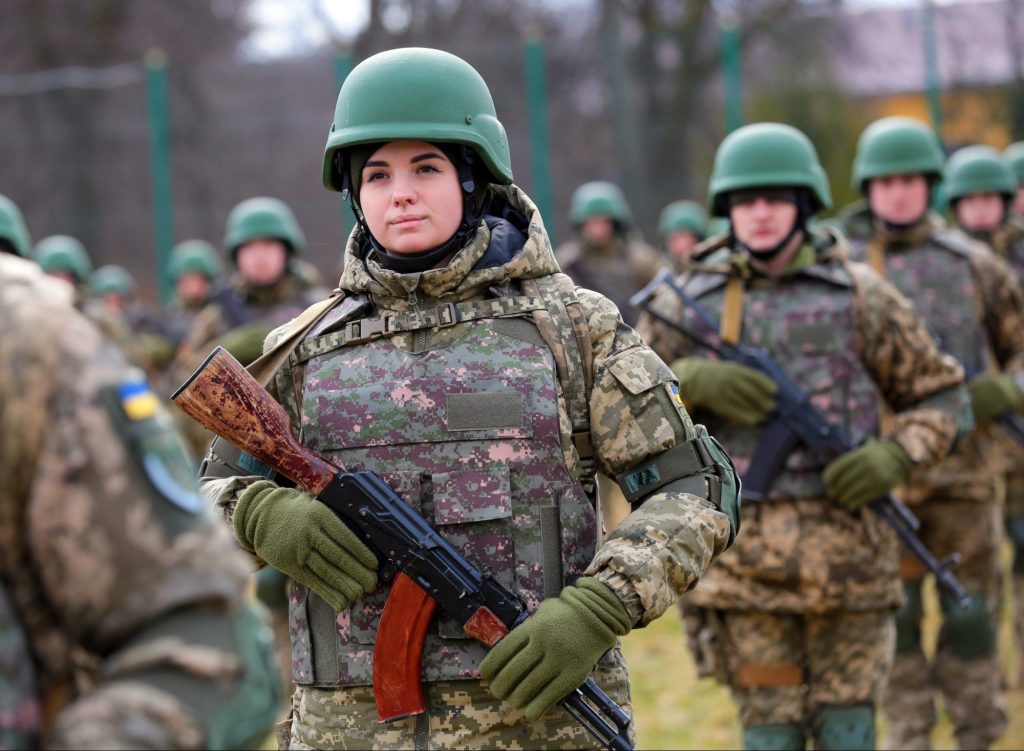
Four years into the full-scale invasion, Ukrainian women are bearing the brunt of the war’s devastating toll. Over 5,000 women and girls have been killed and nearly 14,000 injured, while millions face displacement, loss of utilities, and restricted access to healthcare, education, and employment. The year 2025 was the deadliest yet, highlighting the ongoing human cost of the conflict.
Despite these challenges, women continue to sustain communities – caring for families, running businesses, supporting displaced people, and serving on the front lines. However, dramatic funding cuts to women-led and women’s rights organisations are threatening these lifelines. Nearly 80 per cent of such organisations reported significant operational disruptions in 2025, with programmes supporting gender-based violence survivors and economic empowerment hardest hit. At least 63,000 women and girls risk losing access to essential services in 2026.
Compounding these challenges, attacks on energy infrastructure have left millions without heating, electricity, and water, further straining women and organisations that provide aid. UN Women and partners continue to support women-led organisations in Ukraine, advocating for sustained funding to ensure women and girls remain protected, supported, and central to recovery and peacebuilding efforts.
Iran: The feminist struggle under siege
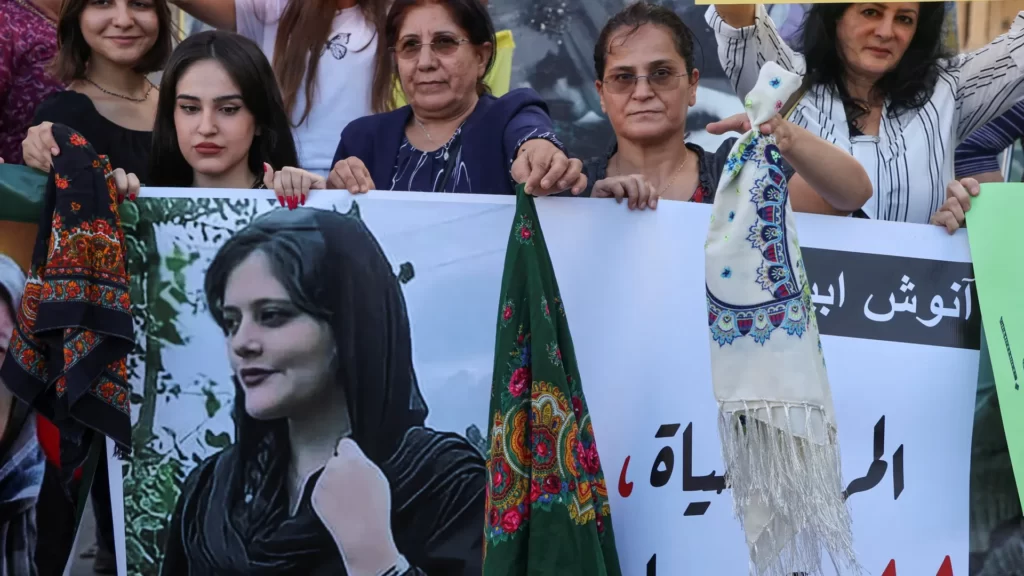
The “Woman, Life, Freedom” uprising in Iran continues to face severe repression. Since early 2026, thousands have been killed and tens of thousands arrested as the government uses internet blackouts, enforced disappearances, secret executions, and public intimidation to silence dissent. These measures deliberately obscure deaths, disrupt mourning, and strip women of visibility, consolidating state control through what political theorists term “necropolitics.”
Women are specifically targeted. Medical and human rights reports document shootings aimed at women’s faces and genitals, sexualised violence during detention, and invasive bureaucratic obstacles to reclaim the bodies of the deceased. The digital blackout also destroys women’s livelihoods, dismantling home-based businesses and online micro-economies, while forcing women back into dependence and unpaid care roles.
The regime’s attacks are both physical and symbolic, aiming to erase the feminist meaning of the uprising. Internationally, external narratives have often misrepresented the movement as a cultural or religious struggle, rather than a feminist political revolt against state violence and gendered oppression. Exiled royalist figures risk further erasing women’s demands by reframing the uprising as nationalist or negotiable, sidelining women’s voices in the pursuit of regime change.
Despite these pressures, “Woman, Life, Freedom” remains a central feminist political fault line, highlighting the ongoing struggle for women’s autonomy, survival, and visibility in Iran.



Burkina Faso: Women at the heart of resilience
In Burkina Faso, women are not just survivors of conflict; they are architects of community resilience. Amid widespread insecurity and displacement, leaders like Awa Sawadogo in the northern town of Gourcy are spearheading women-led cooperatives that produce shea butter, soumbala, and soaps. These initiatives provide families with income and foster financial independence, while also strengthening bonds among women navigating shared challenges.
Supported by programmes such as the Liptako-Gourma Regional Stabilization Facility, women are gaining skills through literacy and vocational training, enabling them to challenge societal norms and become catalysts for positive change. Beyond economic empowerment, these women build networks of mutual support, sharing experiences and strategies to help their communities recover and thrive despite ongoing instability.
Since 2015, Burkina Faso has faced multidimensional crises, with over two million internally displaced people, including more than a million women, experiencing food insecurity and gender-based violence. Yet through determination, collaboration, and innovation, women like Awa are transforming adversity into opportunity, laying the foundations for stronger, more resilient communities.


Also read: Cyprus in the “crossfire” of confusion
For more videos and updates, check out our YouTube channel
