

A brief bout of physical exercise can create “ripples” of activity in your brain that help you store and retrieve memories.
Memory can be such a fickle thing. Whether trying to remember people’s names, recall a list of items you need from the shop or preparing for an important exam or job interview, information that was in your head one minute can flutter out the next.

But there’s an easy way you can give your memory an instant boost when trying to learn new information – jump on an exercise bike for a few minutes or take a brisk walk.
Research shows that we can improve our memory by doing aerobic exercise, or cardio.
It’s long been known that exercise boosts cognition – as I covered in my newsletter course Live Well for Longer. Physical activity improves how well we perform on tasks and strengthens brain areas vulnerable to ageing, potentially slowing down cognitive decline.
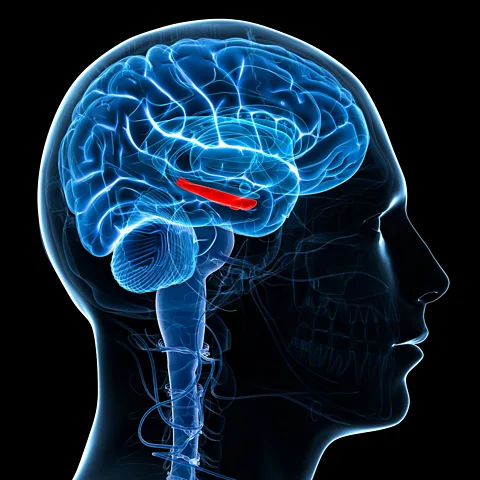
But physical exercise can also strengthen an area of the brain important for memory – the hippocampus, which is why it can have a positive effect on our memory. Moderate exercise a few times a week for instance has been found to increase the size of the hippocampus. Other studies have shown that the timing of the exercise can make a difference too – going for a walk four hours after learning can improve memory retention and subsequent retrieval compared to exercising immediately afterwards. Stretching exercises, by comparison, did not provide any memory boost.
Until now it’s been difficult for scientists to understand the processes at play. One new research study aimed to do exactly that.
Neuroscientists peered inside the heads of 14 people immediately after exercise and observed tiny bursts of electrical activity flowing between the brain cells, or neurons, that are known to be important for consolidating memories. These “brain ripples” are a phenomenon where many neurons activate together, says Michelle Voss, a neuroscientist at the University of Iowa who led the study. They play a key role in how the brain packages and stores memories during sleep and periods of quiet rest. (All those studied had drug resistant epilepsy, but the study looked at parts of the brain that were healthy and producing normal electrical signals.)
The team monitored the brains of participants to see what would happen after a brief burst of activity. They found that after exercise, there was an increase in ripples in the hippocampus as well as other areas the hippocampus is connected to. Researchers believe this helps the brain consolidate memories. “These pulses were also more finely synchronised with neural activity in the rest of the brain,” Voss says.
Her team collaborated with neurosurgeons who monitor electrical activity in patients undergoing evaluation for epilepsy surgery. These patients temporarily had electrodes implanted in their brains, meaning the team was able to observe the electrical activity before and after exercising on an exercise bike. Though the participants did not do any learning as part of the study, previous studies had indicated that “ripples” could be a candidate for cementing memories.
“That presents us with a unique opportunity to understand how the human brain works with direct measurements of electrical signalling, which is the primary currency of how the brain works,” Voss says. These ripples occur too quickly to be picked up by standard brain scans, making this study the first to show how exercise influences the brain’s electrical activity directly.
This synchrony, she believes, may provide a biological explanation for why people often remember information better if they exercise shortly after learning it. And it only took a brief burst of activity to increase brain ripples – showing that even short bursts of activities could benefit our memory.
Voss hopes the work helps reframe public health messaging around physical activity and could help us think about ageing better too, especially as strengthening the areas important for memory could help protect the brain from cognitive decline.
At the same time, we know that regular bursts of activity provide us a range of other brain and body benefits too. Research shows that a single workout can improve focus for up to two hours afterwards, as well as immediately boost levels of the “feel-good” hormone dopamine.
Another recent study found that the more we exercise and the fitter we become, the more benefit our brain gets from after a single workout. Any physical activity is clearly beneficial, but this new study revealed that the brain benefits increase the more active we are.
This happens because higher cardiovascular fitness and muscle mass enable the body to produce more of a protein vital for forming new brain connections, called Brain-Derived Neurotrophic Factor (BDNF).
“There’s a reason to stay active because you will benefit more every time,” says Flaminia Ronca, an exercise physiology researcher at University College London in the UK, who led the study. “If you stick with exercise for six weeks, you will reap bigger benefits from any further sessions.”
Also read: Frequent cannabis use may damage working memory
Source: Melissa Hogenboom – BBC
