

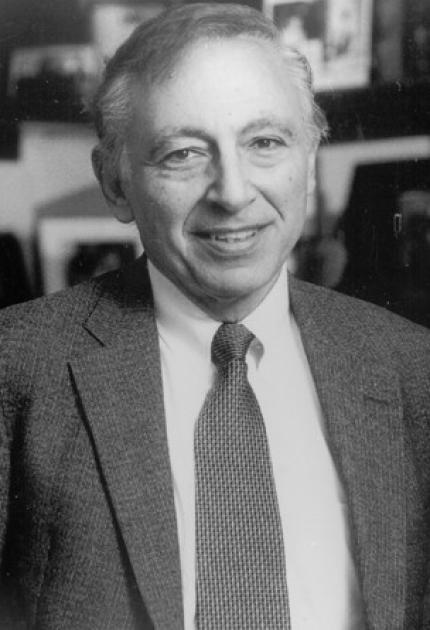
On this day in 1937, Robert Charles Gallo was born in Waterbury, Connecticut, a scientist whose work would place him at the centre of one of the most urgent medical crises of the late twentieth century.
An American biomedical researcher, Gallo would go on to become one of the key figures in identifying the virus responsible for AIDS. In 1984, working in parallel with French virologist Luc Montagnier, his team announced the discovery of what would become known as the human immunodeficiency virus (HIV), the pathogen behind a devastating global epidemic.
A discovery that changed the world
By the early 1980s, a mysterious and deadly syndrome was spreading rapidly, first identified among marginalised communities, particularly gay men in the United States. It would soon be named Acquired Immunodeficiency Syndrome (AIDS).
Gallo’s announcement in 1984 that a retrovirus caused AIDS was met with a mixture of relief, urgency, and intense scientific rivalry. For the first time, the disease had a clear biological explanation. This breakthrough enabled the development of reliable blood tests, helped safeguard blood transfusions, and opened the door to targeted research into antiviral treatments.
Yet the moment was not without controversy. Questions over who had first identified the virus led to a prolonged dispute between American and French teams, with Gallo and Montagnier eventually sharing recognition for the discovery. Despite tensions, the scientific consensus ultimately strengthened the global response to the epidemic.
Public reaction and fear
The discovery of HIV unfolded amid widespread fear and misunderstanding. In the early years of the epidemic, misinformation was rife, and the disease was often associated with stigma and prejudice. Entire communities, particularly those already marginalised, faced discrimination and social exclusion.
Although identifying the virus was a major scientific milestone, it also confirmed the scale of the crisis. Governments and health organisations were forced to confront the reality of a rapidly spreading global disease. Public health campaigns began to emerge, often using stark and sometimes alarming imagery in an attempt to change behaviour and raise awareness.
Gradually, science began to replace speculation, but fear proved slower to fade.
Social impact: Beyond medicine
The impact of HIV and AIDS reached far beyond the laboratory. The epidemic reshaped public health systems and forced a reckoning with issues that had long been neglected or ignored. Conversations about sexual health, drug use, and inequality became unavoidable, while grassroots activism played a crucial role in demanding faster access to treatments and greater accountability from governments.
In many regions, particularly in sub-Saharan Africa, the human toll was profound. Entire communities were affected, and the crisis exposed stark inequalities in access to healthcare, education, and life-saving medication. The epidemic became not only a medical emergency but a social and political one.
HIV today: From crisis to chronic condition
More than forty years after Gallo’s groundbreaking work, the landscape of HIV has been transformed. Advances in medicine mean that people living with HIV can now expect long and healthy lives, provided they have access to treatment. The development of antiretroviral therapy has turned what was once a fatal diagnosis into a manageable condition.
Preventative measures have also improved significantly, with new treatments reducing the risk of transmission and dramatically lowering rates of infection in many parts of the world. At the same time, global efforts have reduced mother-to-child transmission, offering hope to future generations.
Despite this progress, HIV remains a significant global health issue. Millions continue to live with the virus, and access to treatment is still uneven. Stigma, while diminished, has not been entirely eradicated.
Also read: ON THIS DAY: Sharon Stone is born (1958)
