

In collaboration with Cyprus Airways, we celebrate some of Greece’s most fascinating architectural destinations – places where ancient heritage meets contemporary design. Connecting Cyprus with Greece throughout the year and expanding its network during the summer season, Cyprus Airways offers effortless access to destinations where remarkable architecture, innovative public spaces and landscapes shaped by the Mediterranean spirit come together.
Preveza: Ancient heritage and contemporary waterfront design
Preveza is one of Greece’s hidden gems, where history and modern urban development coexist. The archaeological site of Ancient Nicopolis, founded by Emperor Augustus in 29 BC, remains one of the country’s most impressive ancient cities.
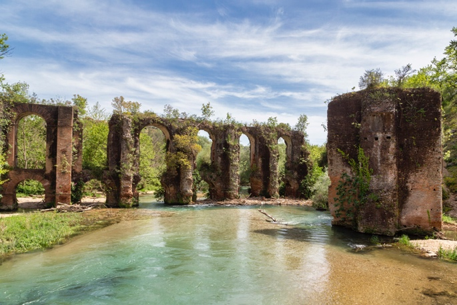
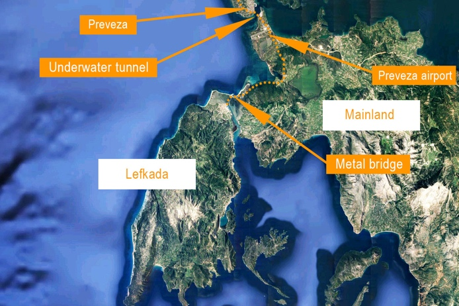
On the contemporary side, the renovated Preveza Marina and waterfront promenade have transformed the city into an attractive destination with landscaped public spaces, pedestrian zones and modern hospitality architecture. The nearby Aktio Preveza Undersea Tunnel stands as one of Greece’s most remarkable engineering achievements.
Heraklion: From Minoan palaces to cultural landmarks
Heraklion is home to the legendary Palace of Knossos, one of Europe’s oldest architectural masterpieces. Yet Crete’s capital is equally defined by contemporary projects.
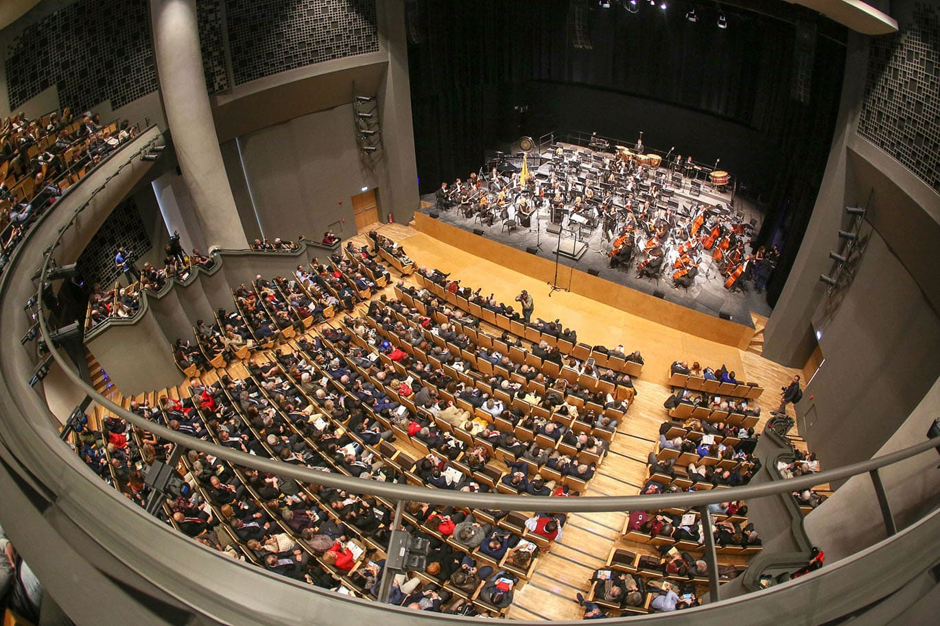
The Cultural Conference Center of Heraklion, designed by renowned Greek architect Tassos Biris, has become a new symbol of the city. Known for his thoughtful approach to urban design, Biris envisioned the complex as a bridge between Crete’s cultural heritage and its contemporary identity. The surrounding public spaces and seafront redevelopment projects introduce green areas and pedestrian-friendly environments inspired by sustainable design principles.
Rhodes: Medieval legacy and contemporary resorts
The Palace of the Grand Master and the UNESCO-listed Old Town make Rhodes one of the world’s most extraordinary historical environments.
Modern Rhodes complements this heritage with a collection of award-winning resorts and private residences characterized by clean lines, natural stone and indoor-outdoor living concepts.
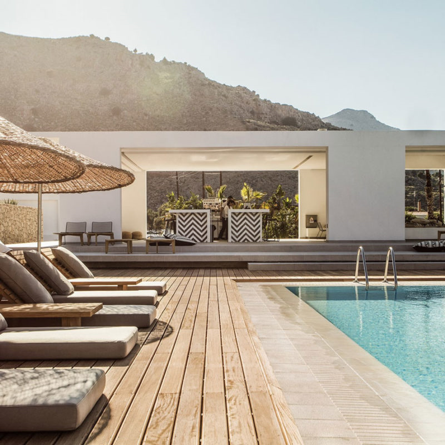
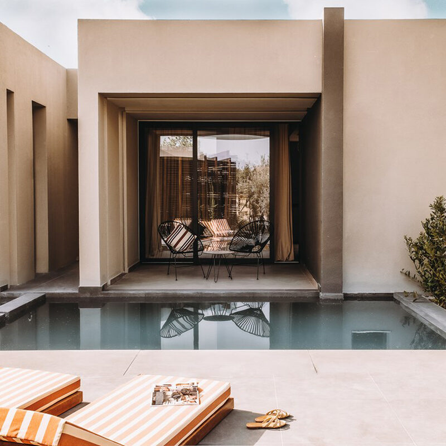
Many of these projects are based on bioclimatic principles inspired by traditional Dodecanese architecture, reflecting a growing commitment to sustainability among Greek architects. Rodini Park, considered one of the oldest landscaped parks in the world, provides a remarkable combination of nature and historical scenery. The link to Youtube video: https://www.youtube.com/watch?v=PfQ-VIqsGrg

Santorini: Contemporary minimalism above the Aegean
Few places possess such a distinctive architectural identity as Santorini. The island’s whitewashed houses and dramatic cliffside settlements have inspired generations of architects and designers.
Today, Santorini is equally celebrated for its sophisticated contemporary projects. Leading Greek architecture studios have reinterpreted traditional Cycladic forms through minimalist interiors, natural materials and cave-like structures seamlessly integrated into the volcanic landscape. Their philosophy is based on allowing architecture to become part of nature rather than dominate it.
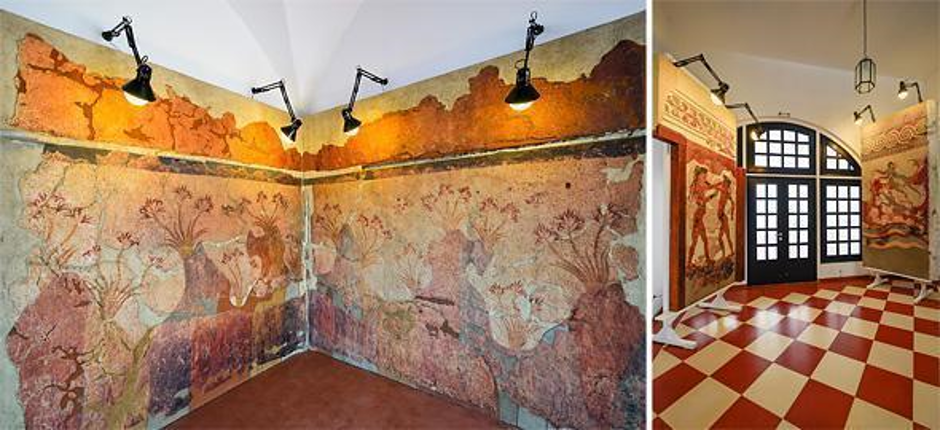
The Santozeum Museum introduces digital experiences within contemporary exhibition spaces, while the renovated pathways and public terraces of Oia create open-air viewpoints that blend architecture and landscape design.
Skiathos: Nature, simplicity and boutique design
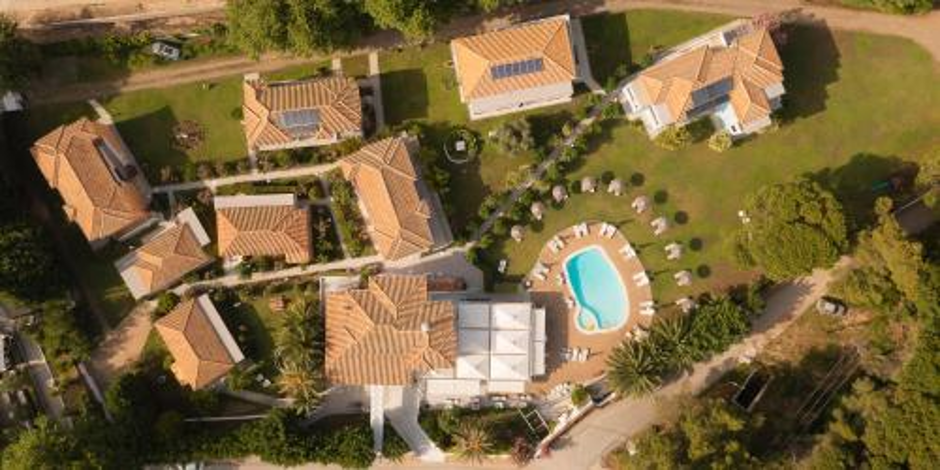
Skiathos embodies a refined form of island architecture. Traditional houses coexist with elegant modern villas and boutique hotels that prioritize sustainability, local materials and natural light.
The Bourtzi Peninsula, transformed into a landscaped cultural park surrounded by pine forests and the sea, represents one of the island’s most beautiful public spaces. Nearby, the preserved home of writer Alexandros Papadiamantis offers a glimpse into nineteenth-century Greek domestic architecture.
Athens: Greece’s contemporary architectural capital
No architectural journey through Greece would be complete without Athens. The Acropolis and the Parthenon continue to influence architects around the globe, embodying ideals of harmony and proportion that remain timeless.
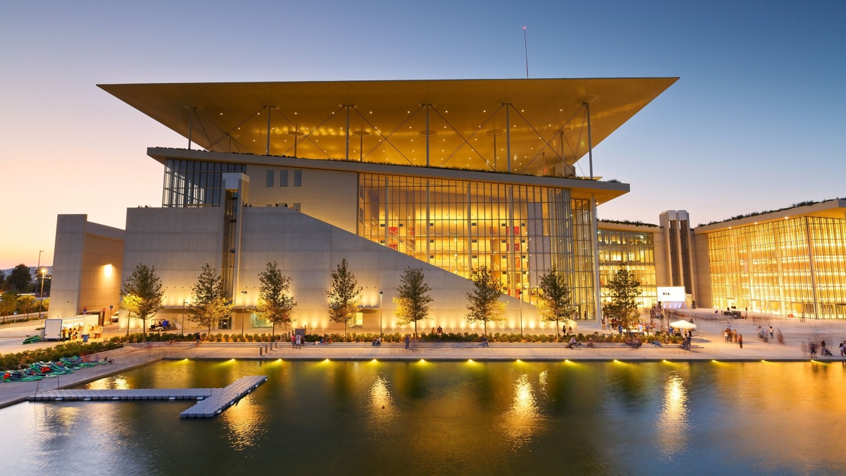
Modern Athens, however, is equally compelling. Designed by Pritzker Prize laureate Renzo Piano, the Stavros Niarchos Foundation Cultural Center has become one of Europe’s most celebrated examples of sustainable architecture. Conceived as a building emerging naturally from the landscape, the complex incorporates a vast park created by American landscape architect Deborah Nevins, whose design celebrates native Mediterranean vegetation and reconnects the city with the sea.
Another architectural highlight is the Acropolis Museum, designed by Swiss-French architect Bernard Tschumi in collaboration with Greek architect Michael Photiadis. The museum’s transparent structure establishes a dialogue between ancient and contemporary Athens, while its upper gallery mirrors the orientation of the Parthenon itself.
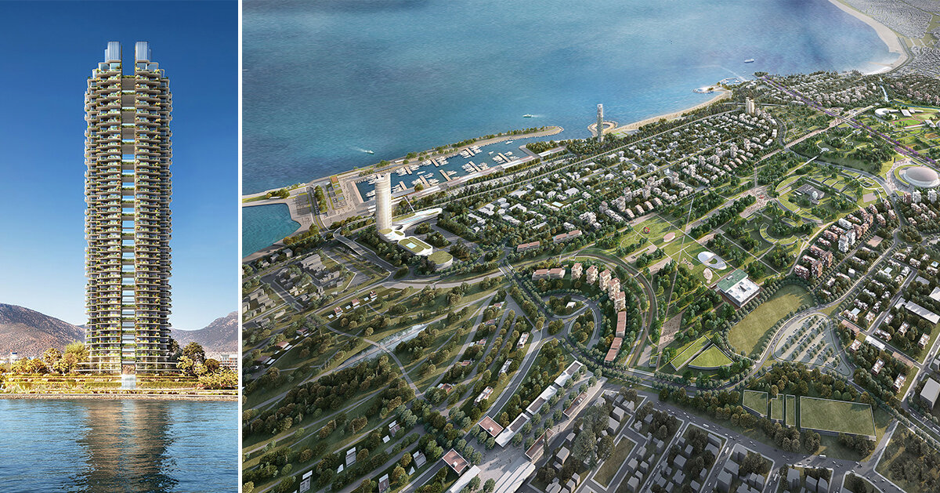
Athens is also witnessing one of Europe’s most ambitious urban regeneration projects. The Ellinikon development, built on the site of the former international airport, is transforming the Athenian Riviera into a visionary district featuring residential towers, cultural venues and one of the Mediterranean’s largest coastal parks. The masterplan was created by the internationally acclaimed firm Foster + Partners, founded by Norman Foster, whose work includes icons such as London’s Gherkin and Apple’s headquarters in California.
From ancient wonders to contemporary icons
Flying with Cyprus Airways means discovering more than destinations, it means experiencing centuries of architectural evolution. From the Roman grandeur of Nicopolis and the Minoan civilization of Crete to the minimalist forms of Santorini and the visionary urban projects of Athens, Greece offers an extraordinary collection of spaces where history, design and nature exist in perfect harmony.
Seen from above, these islands reveal what architects have always understood: the most inspiring places are those where landscape and architecture become one.
Also read: Exploring summer on the Protaras Riviera
For more videos and updates, check out our YouTube channel
