

The government has presented a new marine pollution action plan aimed at strengthening environmental protection, with seven immediate measures to be implemented ahead of the summer season and additional reforms planned within 18 months.
The announcement was made by Acting Permanent Secretary of the Deputy Ministry of Shipping, Dr Theodoulos Mesimeris, at the Blue Limassol Forum.
Focus on monitoring and prevention
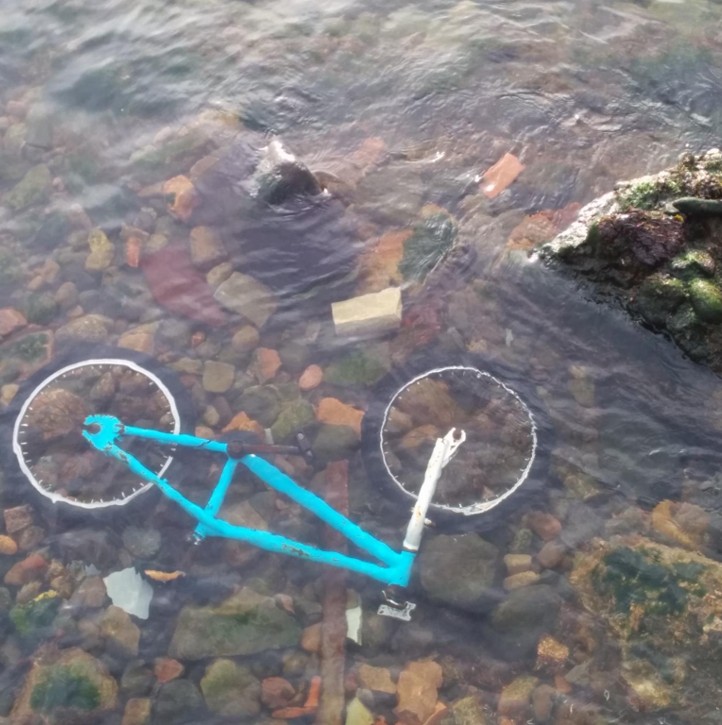
The plan places strong emphasis on improving monitoring systems across coastal areas as part of efforts to address marine pollution in Cyprus more effectively.
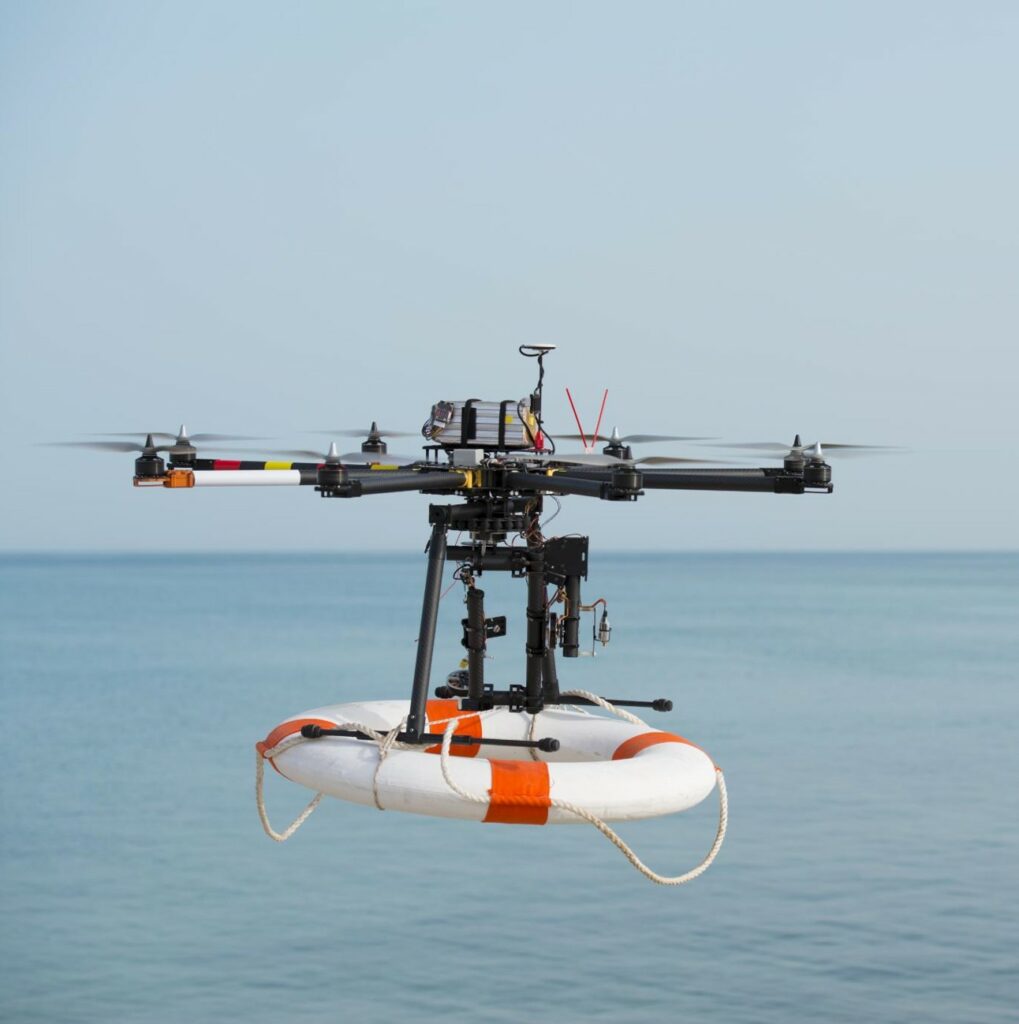
Short-term measures include intensified water quality sampling at beaches, drone surveillance in selected marine zones, and the installation of real-time pollution sensors at key locations, including ports.
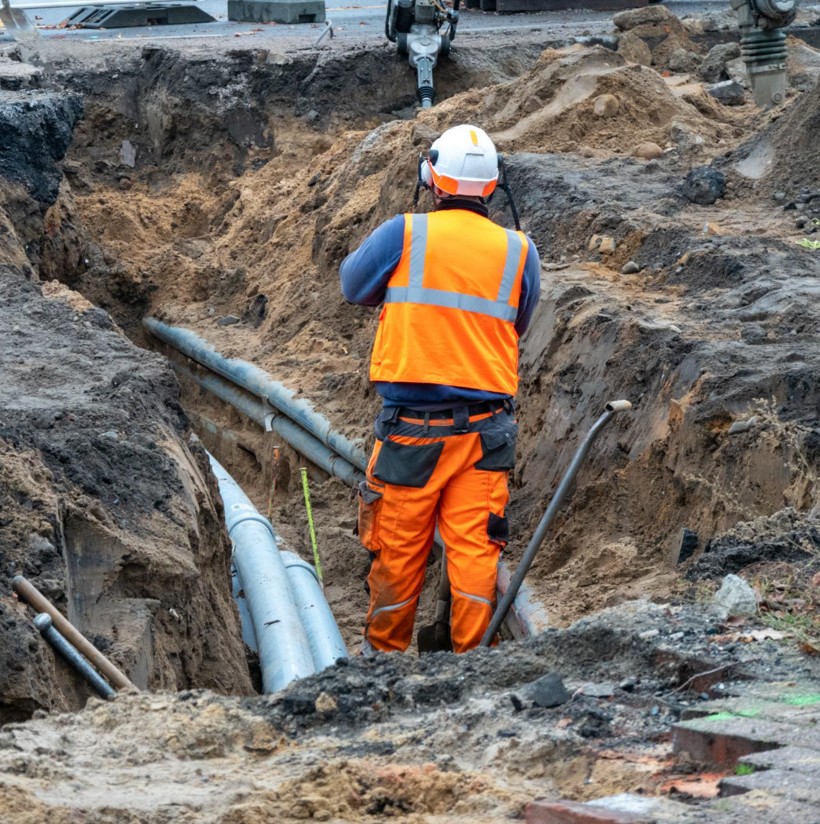
Authorities will also introduce targeted cleaning operations in high-risk areas such as the Akrotiri drainage system near Makria Lake.
Public awareness and inspections
Additional actions include public awareness campaigns on coastal environmental protection and intensified inspections of high-risk industrial and maritime activities.
Local authorities, government departments, and NGOs will be involved in implementing these measures across Cyprus’ coastal regions.
Medium-term reforms within 18 months
The second phase of the plan includes the development of stricter enforcement mechanisms, enhanced penalties for pollution incidents, and improved digital tools for tracking and analysing environmental data.
A dedicated platform under the EMMERA regional cooperation project between Cyprus, Greece and Israel will support monitoring and coordination efforts.
Short-term measures
The following actions are planned for implementation before the current summer season:
- Action 1: Intensified monitoring of bathing waters, with fortnightly sampling at Blue Flag beaches and sensitive areas including Deryneia–Agia Thekla, Moni–Akrotiri (Lady’s Mile) and Dhekelia–Mackenzie, and monthly sampling elsewhere. Implementing bodies: Department of Environment, Health Services, State General Laboratory and local authorities.
- Action 2: Procurement of specialist marine pollution monitoring and response services in designated sensitive coastal areas including port facilities. Implementing bodies: Municipalities of Limassol, Amathountas, Larnaca, Paralimni–Deryneia and Ayia Napa. Extension to additional areas is also under consideration.
- Action 3: Intensified drone surveillance in selected marine areas — Limassol, free Famagusta and Polis Chrysochous — during the period July to November. Implementing body: Deputy Ministry of Shipping in cooperation with other relevant bodies.
- Action 4: Installation of monitoring sensors in selected marine areas including port facilities, for real-time recording of pollution indicators and immediate transmission of data to the relevant authorities via the committee. Implementing body: Deputy Ministry of Shipping in cooperation with other relevant bodies.
- Action 5: Remediation of problem areas posing a marine pollution risk — implementation of a comprehensive cleaning and management plan for the drain in the Akrotiri area near Makria Lake, to address discharges with high microbiological load and prevent recurrence. Implementing body: DLGO Limassol.
- Action 6: Targeted public awareness and information campaigns in coastal and port areas on marine pollution and the committee’s work. Implementing bodies: Deputy Ministry of Shipping, Cyprus Ports Authority, Department of Fisheries and Marine Research, Deputy Ministry of Tourism, local authorities, NGOs.
- Action 7: Intensified inspections of all activities and installations linked to a high risk of marine pollution. Implementing bodies: Deputy Ministry of Shipping, Cyprus Ports Authority, Department of Fisheries and Marine Research, Deputy Ministry of Tourism, Department of Environment and local authorities.
Long-term environmental strategy
Officials said the initiative reflects a broader effort to balance economic development with environmental sustainability, particularly in coastal and shipping hubs such as Limassol.
The plan also explores the creation of additional marine protected areas and improved waste reception infrastructure for vessels.
Authorities stressed that the success of the strategy will depend on strict and consistent implementation.
Also read: Cyprus sees drop in bee hives in 2023, Eurostat reports
For more videos and updates, check out our YouTube channel
