

A griffon vulture chick has been fitted with a GPS transmitter in an important development for monitoring and protecting the species, BirdLife Cyprus said.
The chick is the second to hatch in Cyprus this year and the second to be successfully fitted with a GPS transmitter.
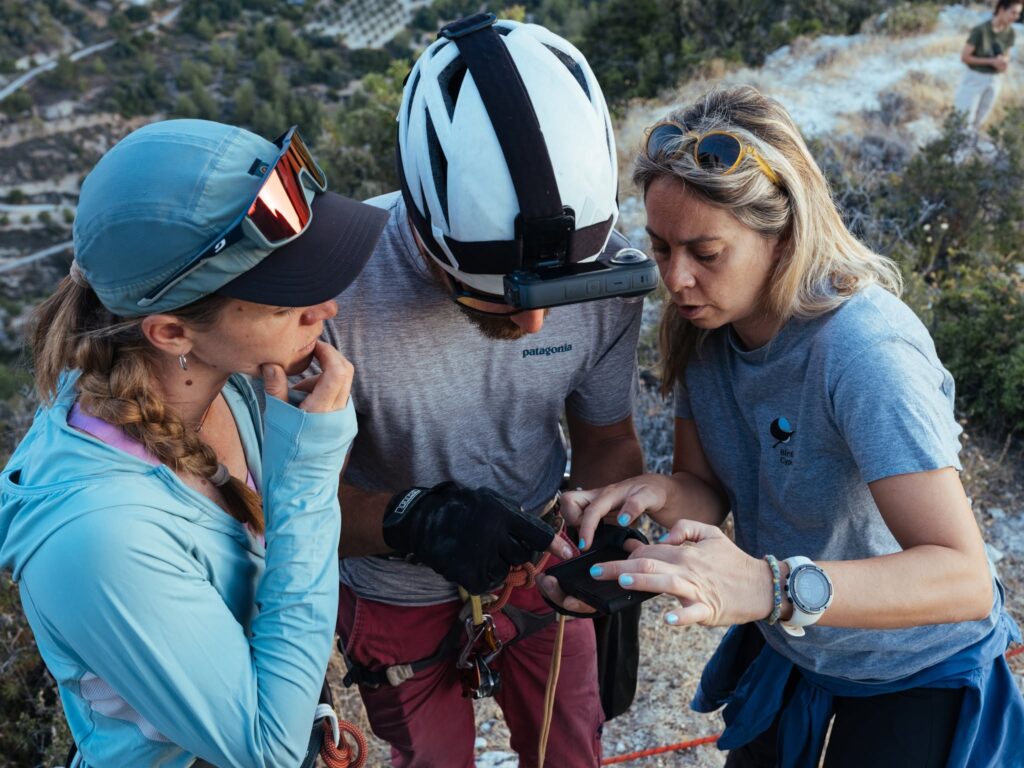
It hatched around mid-May in the Limnatis Valley Special Protection Area. On Monday, the Game and Fauna Service, in cooperation with BirdLife Cyprus, fitted the chick with the GPS transmitter.
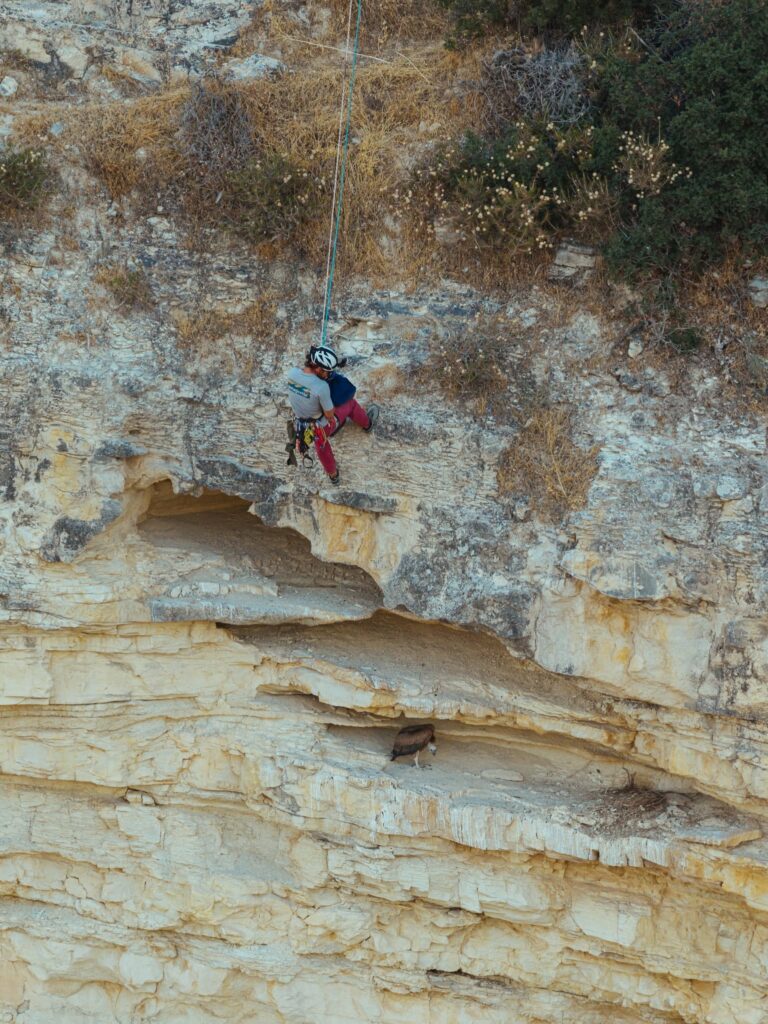
Professional climber helps reach nest
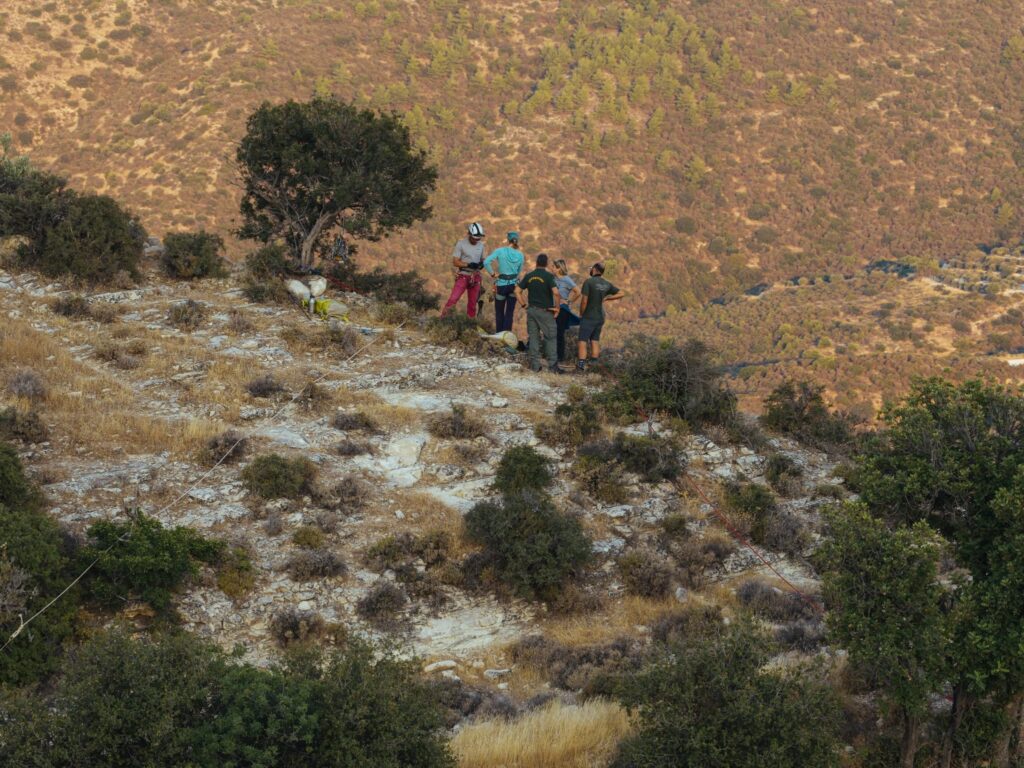
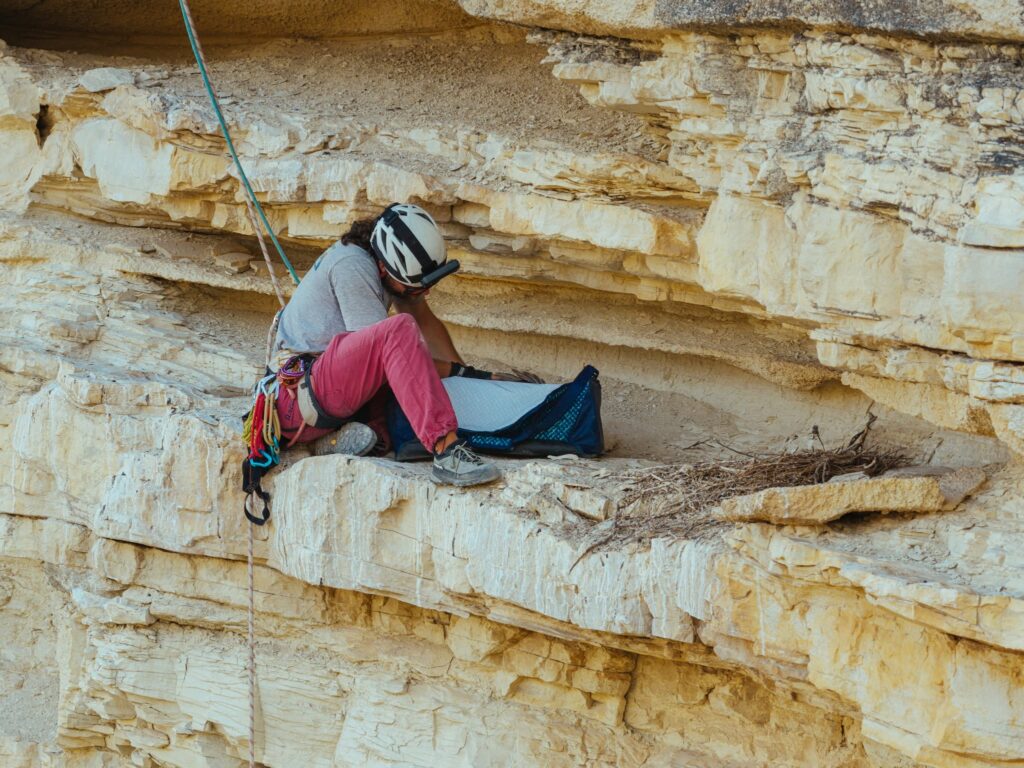
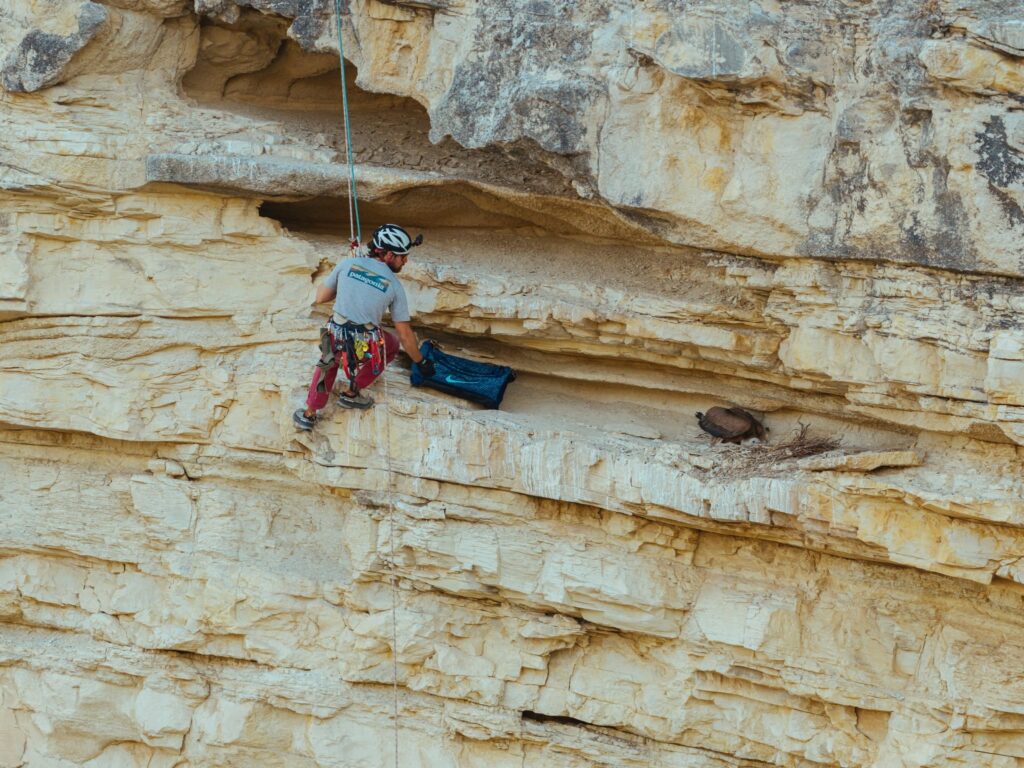
The nest is located on a cliff, requiring the assistance of a professional climber to reach it safely.
The chick was safely removed from the nest for the operation and then returned.
Both of its parents are griffon vultures that were transferred to Cyprus from Spain as part of efforts to strengthen the island’s population.
The GPS transmitter is expected to provide valuable information about the young bird’s movements after it leaves the nest.
Close monitoring will also allow the team to intervene quickly if necessary. The first two to three months after a chick leaves the nest are considered particularly critical, as the young vulture gradually joins the wider population.
Three pairs bred successfully this year
The initiative received support from the Embassy of Spain in Cyprus, highlighting its continued backing for griffon vulture conservation efforts on the island.
This year has been particularly significant for the species, with three pairs of griffon vultures successfully breeding in Cyprus for the first time since 2021.
According to BirdLife Cyprus, the fact that the chicks were born to vultures brought from Spain demonstrates the impact that long-term conservation efforts and international cooperation can have.
First breeding in Limnatis Valley since 2010
The location where the chick hatched is also significant.
The last recorded breeding of griffon vultures in the Limnatis Valley Special Protection Area took place 16 years ago, in 2010.
Although the area continued to be used as a roosting site, no breeding activity had been recorded there since then.
This year’s successful breeding highlights the continuing importance of historically significant breeding areas, even after years without recorded reproductive activity.
Protecting and maintaining these sites remains an important factor in the long-term recovery of the griffon vulture population.
Also read: Vultures breed again in Cyprus for first time in 5 years
For more videos and updates, check out our YouTube channel
