

Protests in France have left towns and cities reeling after a weekend of violence and looting, prompting Prime Minister Sébastien Lecornu to convene a crisis cabinet meeting on Monday.
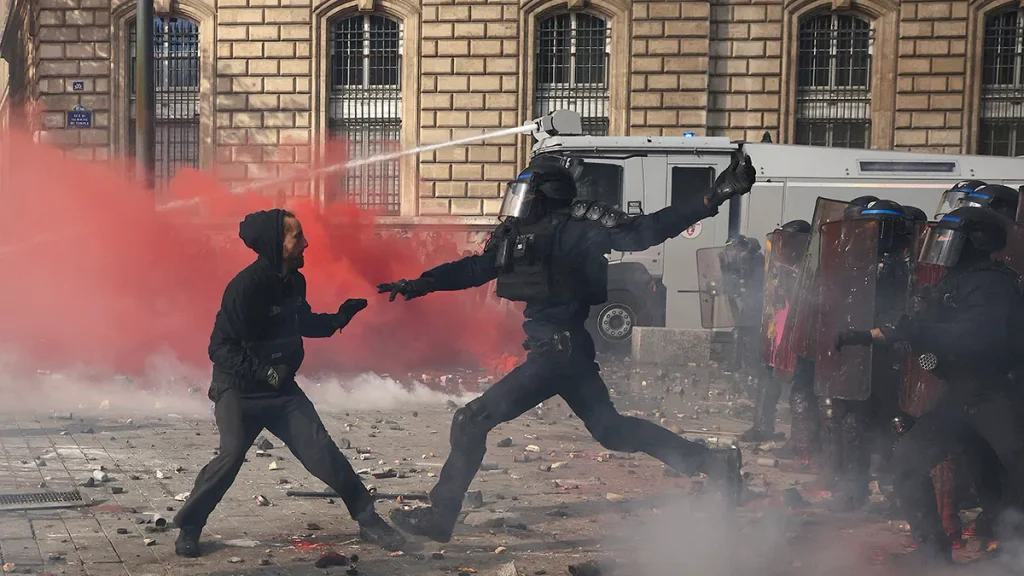
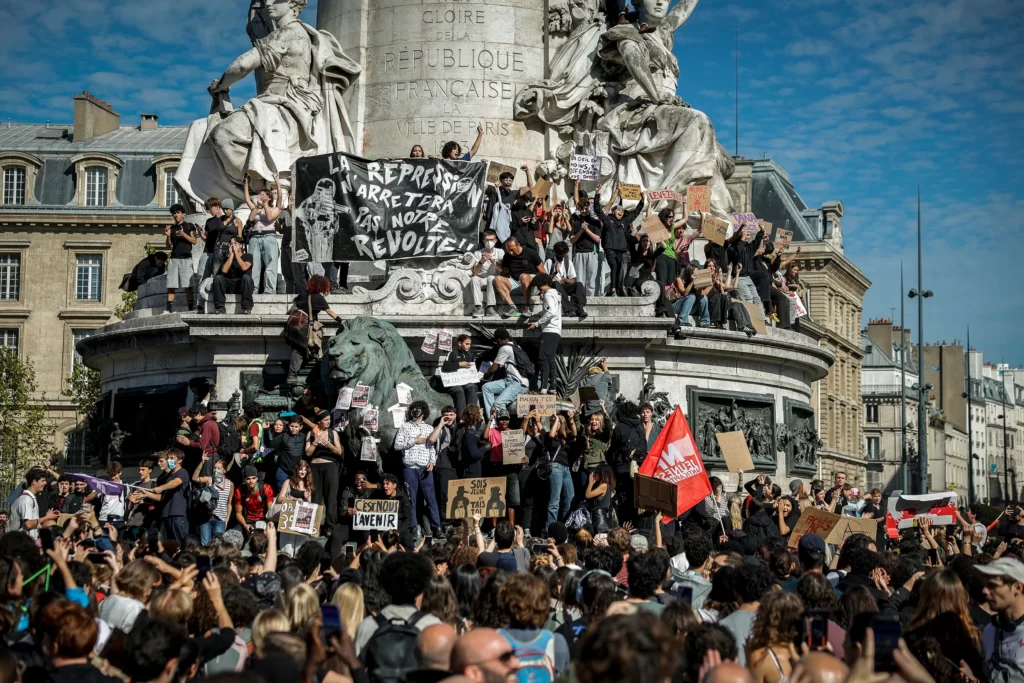
More than half a million people took part in demonstrations on Saturday against rising living costs and declining access to public services, including state education. Although most protesters were peaceful, clashes broke out after groups of masked, black-clad activists and vandals appeared.
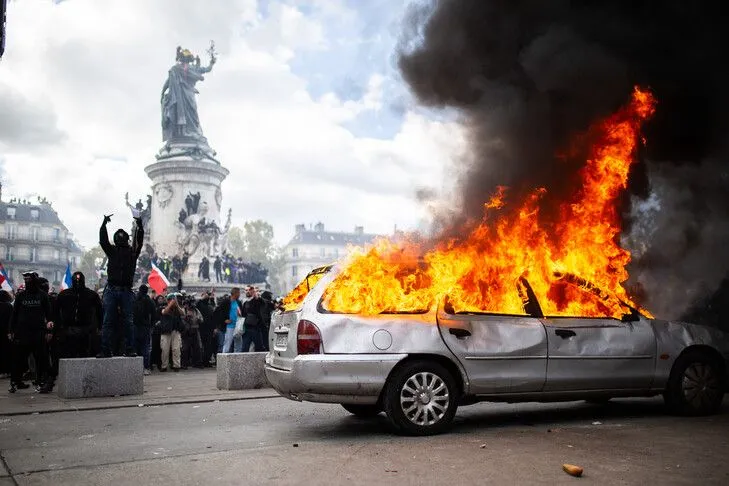
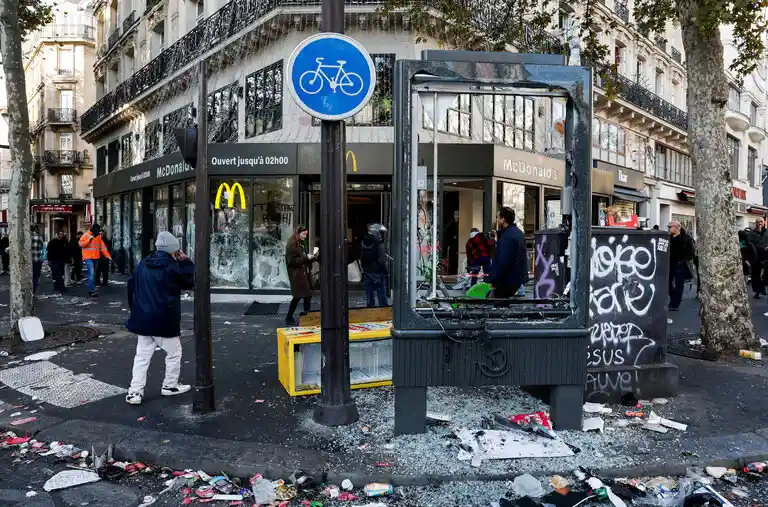
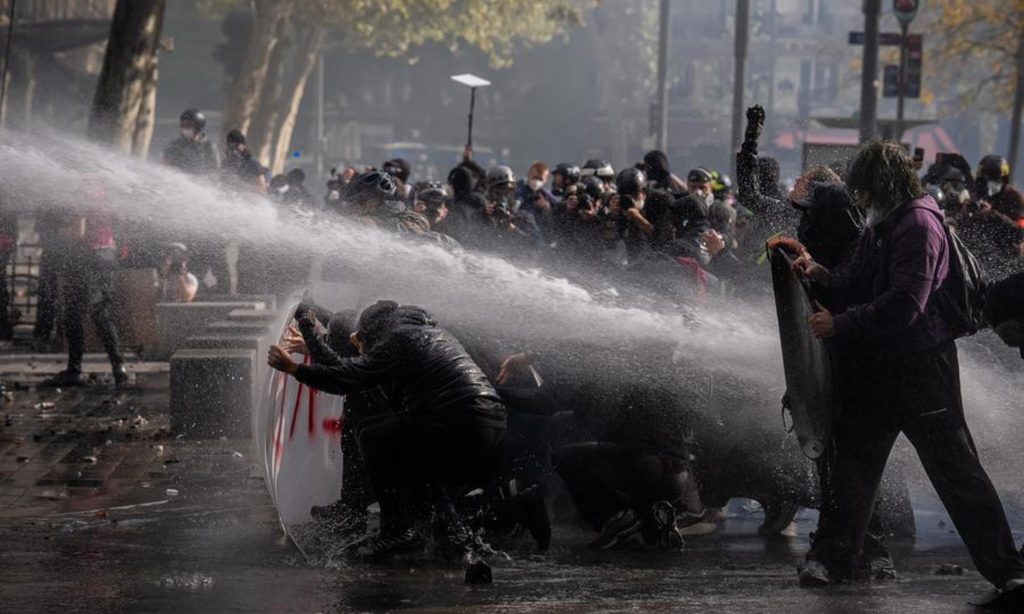
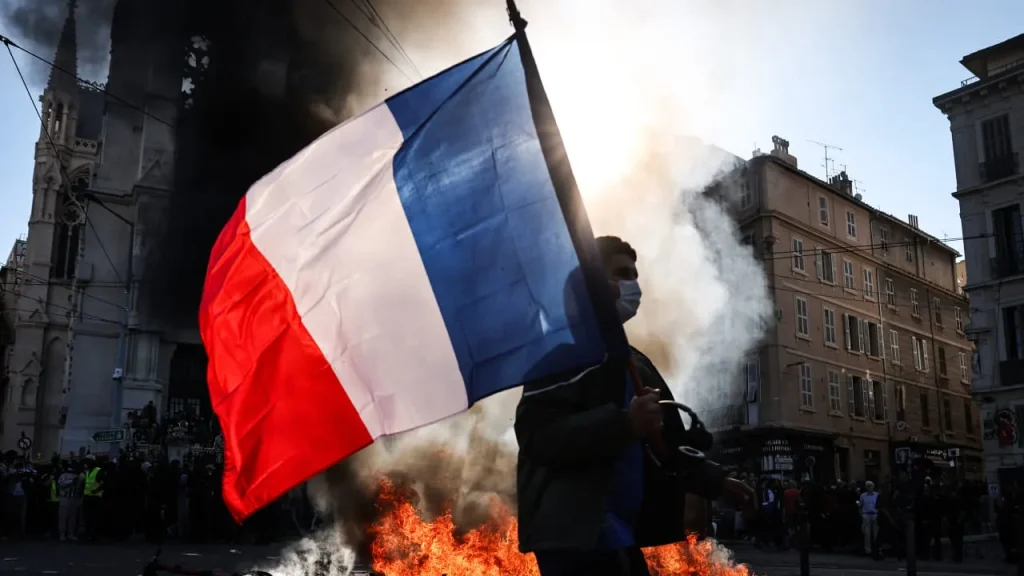
An estimated 1,500 shops and businesses were looted or destroyed. Riot police used tear gas and water cannon to disperse crowds, while officers were seen striking people with batons in several locations. France’s Interior Ministry said around 1,000 police officers were injured on Saturday, seven of them seriously.
Macron faces criticism over response
There had been speculation that President Emmanuel Macron might introduce a temporary curfew in parts of the country or declare a state of emergency to contain the unrest.
Instead, Macron addressed the nation on television on Sunday, calling for national unity and promising that those responsible for the violence would face punishment. His speech, however, drew widespread criticism on social media and from political opponents, who argued that it lacked concrete measures.
Questions remain over how rioters will be held accountable, how towns and cities will be protected from further violence, and how businesses affected by the destruction will be compensated.
There are also calls for dialogue with student and teachers’ organisations over concerns about education and public services.
Political divisions deepen amid unrest
CGT union Secretary General Sophie Binet accused Macron on Sunday of failing to address students’ concerns, the cost-of-living crisis and the declining quality of public services.
The president appears to have passed responsibility for the response to Lecornu. However, the prime minister and his interior minister face accusations that they were poorly prepared for Saturday’s scheduled demonstrations and failed to deploy sufficient police resources.
Yaël Braun-Pivet, president of France’s National Assembly, has called for an inquiry into the events and the authorities’ handling of the unrest.
The scale of the destruction has intensified public anxiety. In central Paris, vandals defaced the Statue de la République, while images of tear-gassed towns, looted shops and burning public buildings fuelled concerns about security.
Many residents have also expressed frustration with political leaders, accusing them of using the crisis to attack their opponents rather than address public concerns.
“While we worry for our safety, they use this situation as a pre-presidential election political football,” teacher and father of three Edouard said.
Presidential race adds to tensions
Macron is widely regarded as a weakened president as France approaches its next presidential election, scheduled in around six months.
The contest to succeed him is already intensifying, with Marine Le Pen on the nationalist right and Jean-Luc Mélenchon on the anti-capitalist left seeking to strengthen their political positions.
The country’s parliament remains deeply divided between three political blocs, complicating efforts to build consensus on the response to the crisis.
France’s financial difficulties add another layer of pressure. Investors are demanding action to control the country’s growing public debt, while the government fears that cuts to public services and welfare could trigger further demonstrations.
The unrest has left many people questioning the country’s stability, as political leaders trade accusations over responsibility for the violence.
Fresh demonstrations planned for November
The authorities are hoping for a temporary lull over the next two weeks, as students begin their half-term break on Monday.
However, further demonstrations have already been announced for 5 November. A coalition of trade unions and elements of the wider gilets jaunes movement, which staged prolonged protests during Macron’s first presidential term in 2018, are preparing large-scale mobilisations.
With public anger still high, the government faces mounting pressure to restore confidence, protect businesses and public buildings, and respond to concerns over living costs and public services.
France is now waiting to see whether the coming weeks bring a return to calm or another wave of unrest.
Also read: Chaos erupts in France: Protester killed amid violent clashes and vandalism
For more videos and updates, check out our YouTube channel
