

New Zealand actor Sam Neill, whose extraordinary range took him from Jurassic Park and The Piano to Peaky Blinders, died suddenly in Sydney surrounded by his family.
Neill died in Sydney on Monday, July 13, surrounded by his family, who described his death as “sudden and unexpected”.
“It is with immense sadness that the whānau of Sam Neill share the news of his passing on Monday 13th July, in Sydney, Australia,” his family said in a statement.
“Sam was surrounded by family and passed with the dignity that has characterised his whole life.”
His family said Neill had remained cancer free at the time of his death and thanked staff at St Vincent’s Private Hospital for their care.
A career that defied easy definition
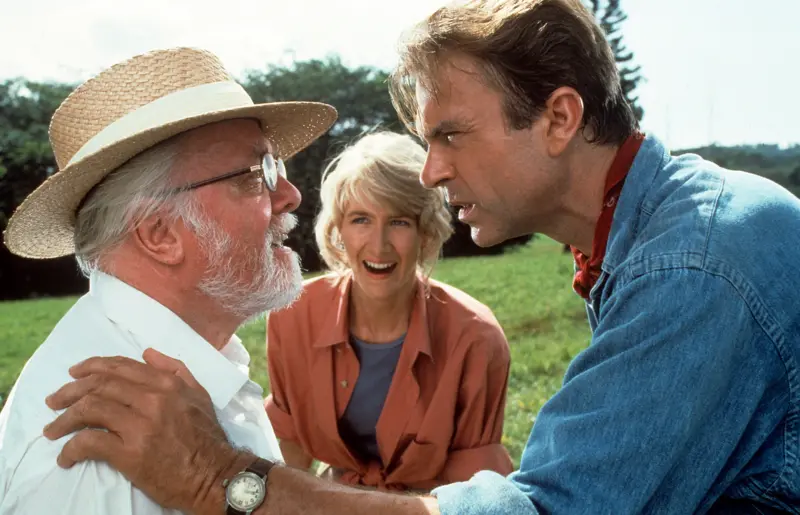
For millions around the world, Sam Neill will forever be Dr Alan Grant, the pragmatic palaeontologist who found himself facing living dinosaurs in Steven Spielberg’s 1993 blockbuster Jurassic Park.
The role made him one of the most recognisable actors of his generation and he later returned as Grant in Jurassic Park III in 2001 and Jurassic World Dominion in 2022.
Yet Jurassic Park represented only one part of an unusually varied career.
In the same year that audiences watched him flee velociraptors, Neill appeared in Jane Campion’s The Piano, the Palme d’Or-winning drama in which he played Alisdair Stewart, a troubled and increasingly controlling husband whose character takes a dark turn as the film unfolds.
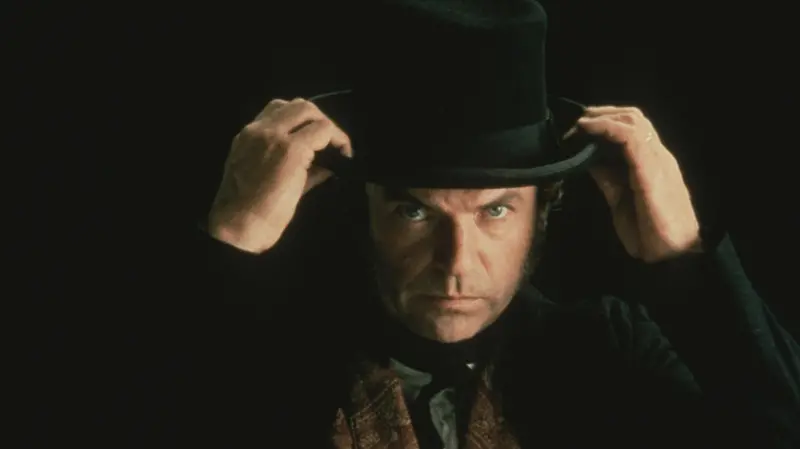
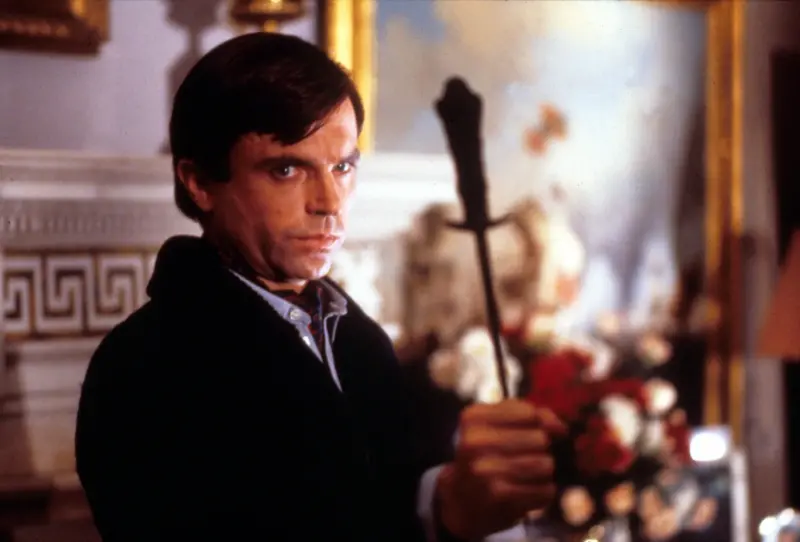
The contrast between those two films, both released in 1993, captured the breadth of an actor who moved seemingly effortlessly between blockbusters, intimate dramas, thrillers, horror, science fiction and television.
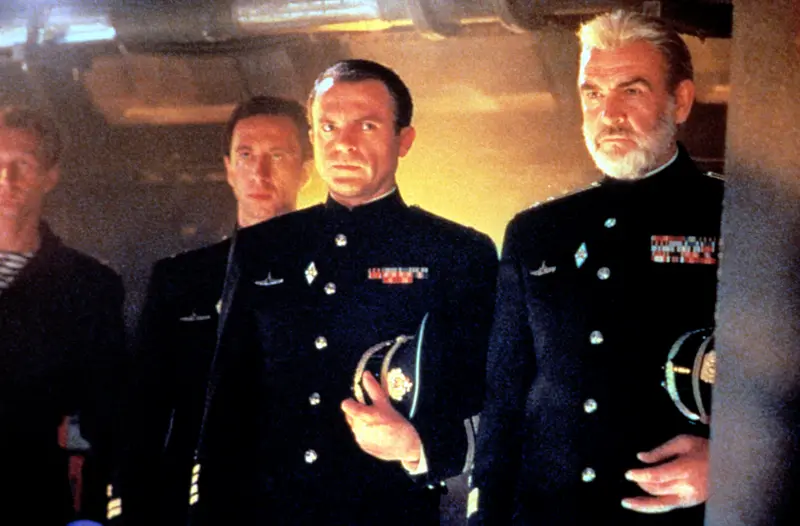
His extensive filmography also included The Hunt for Red October, Event Horizon, Dead Calm, A Cry in the Dark, My Brilliant Career, Omen III: The Final Conflict and Hunt for the Wilderpeople.
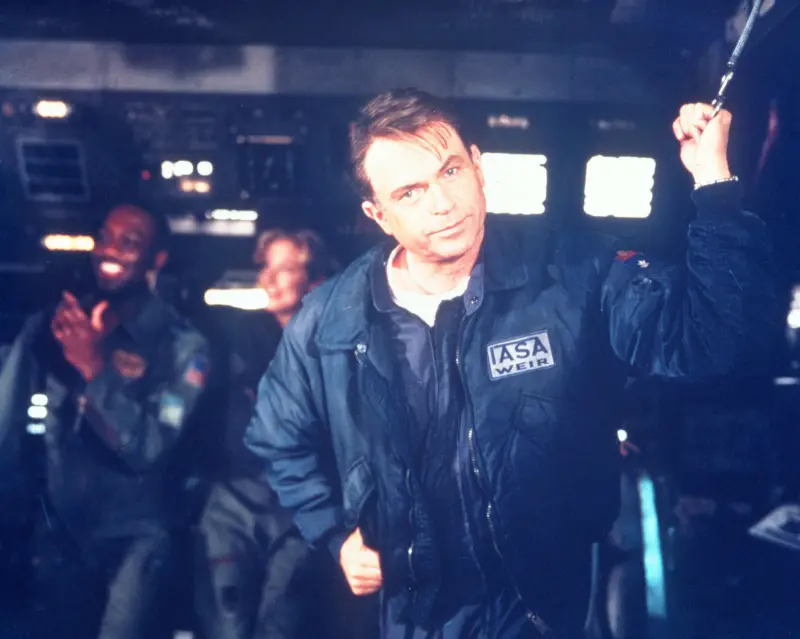
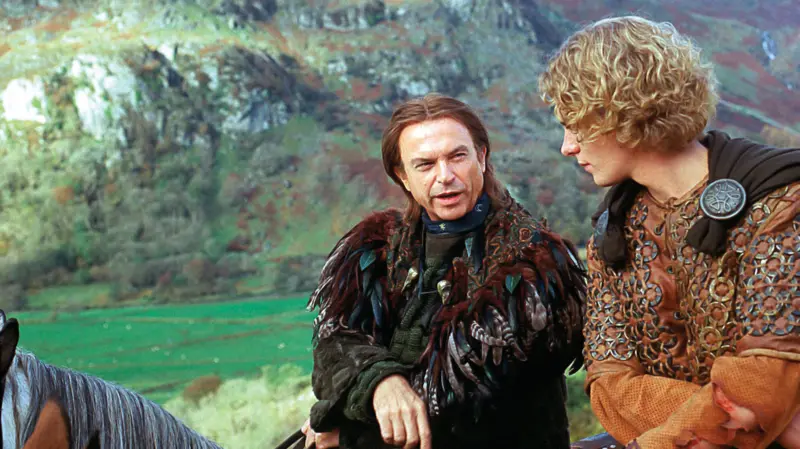
From Northern Ireland to New Zealand
Neill was born Nigel John Dermot Neill in Omagh, County Tyrone, Northern Ireland, in 1947.
His New Zealand father was stationed there as an officer with the Irish Guards, and Neill spent the first seven years of his life in Northern Ireland before the family moved to New Zealand.
“I was born in Omagh, we lived in Armagh and my favourite place here was Tyrella beach, I sort of think that’s where I grew up,” he told the BBC in 2012.
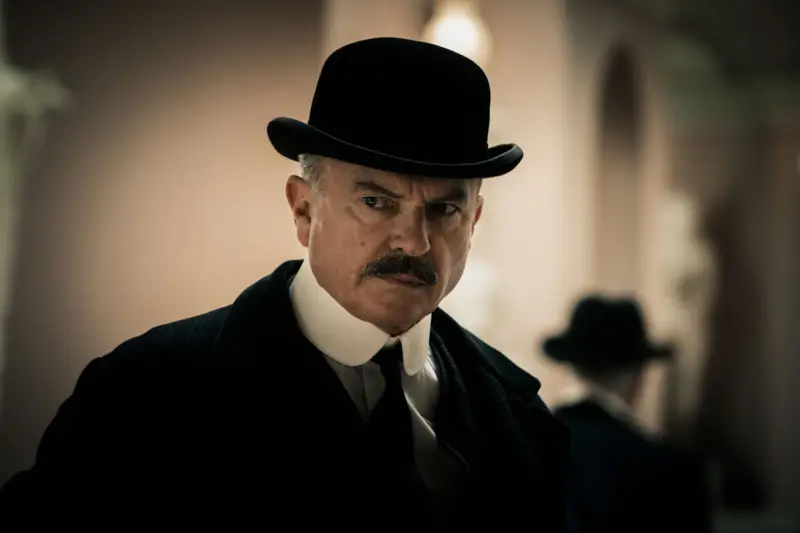
Those Northern Irish roots would later return to his screen career when he was cast as Belfast police chief Chester Campbell in Peaky Blinders in 2013.
Neill said his Northern Irish accent had been “well beaten out” of him by classmates after moving to New Zealand and that he turned to friends and fellow actors James Nesbitt and Liam Neeson for help relearning it for the role.
His performance as Campbell introduced him to yet another generation of viewers, as the ruthless police inspector became one of the central antagonists of the acclaimed series’ early seasons.
The road to international recognition
Neill’s breakthrough came in the 1977 New Zealand film Sleeping Dogs, before his role in the 1979 Australian drama My Brilliant Career brought him wider international attention.
He later starred opposite Meryl Streep in A Cry in the Dark, known as Evil Angels in Australia and New Zealand, playing Michael Chamberlain in the dramatisation of one of Australia’s most infamous cases.
Neill portrayed Chamberlain, whose baby daughter Azaria was killed by a dingo in 1980. The case became the subject of intense public scrutiny and one of the most notorious miscarriages of justice in Australian history.
His career continued to span continents and genres. He appeared alongside Sean Connery in The Hunt for Red October, confronted cosmic horror in Event Horizon and took on television roles including Cardinal Thomas Wolsey in The Tudors.
In later years, his acclaimed appearance in Taika Waititi’s Hunt for the Wilderpeople once again demonstrated the understated humour and warmth that had long been part of his appeal.
Cancer diagnosis and recovery
In March 2023, Neill revealed that he had been diagnosed with angioimmunoblastic T-cell lymphoma, a rare form of non-Hodgkin lymphoma.
He wrote about the diagnosis in his memoir, Did I Ever Tell You This?, which began as a way of occupying himself during treatment.
After chemotherapy stopped working, Neill underwent CAR-T cell therapy, a form of personalised immunotherapy in which a patient’s T-cells are modified to recognise and attack cancer cells.
In April 2026, he announced that he was cancer free.
“We’ve just had a scan just now and there is no cancer in my body, that’s an extraordinary thing,” he told Australia’s 7 News.
His family confirmed after his death that he had remained cancer free, saying that although his loss was sudden and unexpected, they were grateful for that fact.
Tributes to ‘one of the greats’
Tributes quickly followed the announcement of Neill’s death, with leaders, actors and friends remembering not only his contribution to cinema but also his humour, generosity and character.
Australian Prime Minister Anthony Albanese said Neill had starred in many beloved Australian stories and had earned a special place in Australian hearts.
“Wry and dry, thoughtful and laconic, Sam fought illness with the same dignity, humour and conviction that gave strength to his every performance,” Albanese said. “He will be much mourned and long remembered.”
New Zealand Prime Minister Christopher Luxon described Neill as “one of the greats”.
“He started out when there was barely a film industry in this country to speak of. For more than fifty years he took New Zealand stories to the world and his talents helped make our film industry into what it is today, one of our greatest cultural exports,” Luxon said.
Former New Zealand prime minister Helen Clark remembered him as a legendary actor who brought great pride to the country and championed its arts, culture, environment and wines.
Australian actor David Wenham described Neill as an “international all-round legend” and the “kindest, cheekiest, most generous and supportive friend going around”.
Australian author and former rugby player Peter FitzSimons remembered him as “a wonderful bloke with an impish sense of humour”, while New Zealand Foreign Minister Winston Peters called him a “Kiwi icon”.
A legacy far beyond Jurassic Park
Sam Neill dies leaving a body of work remarkable not simply for its size, but for its range.
He could be the reassuring centre of a dinosaur blockbuster, a terrifying presence in a psychological drama, a sinister Belfast police chief, or the gruff but deeply human heart of a New Zealand comedy.
He became an international star without losing his connection to New Zealand, where he lived on a farm and operated the Two Paddocks winery in Central Otago. His affection for animals and characteristically dry humour also won him a devoted following beyond the screen.
Just two weeks before his death, Neill was nominated for a Silver Logie for his role in the Australian drama series The Twelve.
His work will endure through characters that frightened, moved, and entertained audiences across generations, but perhaps his greatest achievement was that no single role ever entirely defined him.
Also read: Where Cyprus migration funding of €480m is going
For more videos and updates, check out our YouTube channel
