

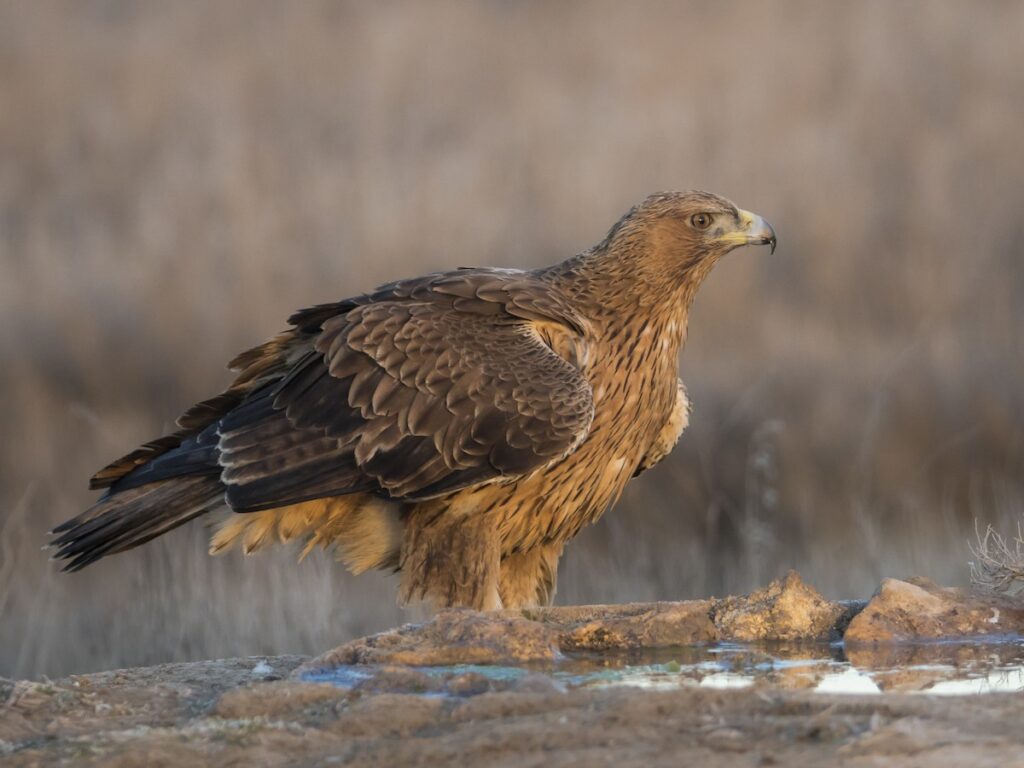
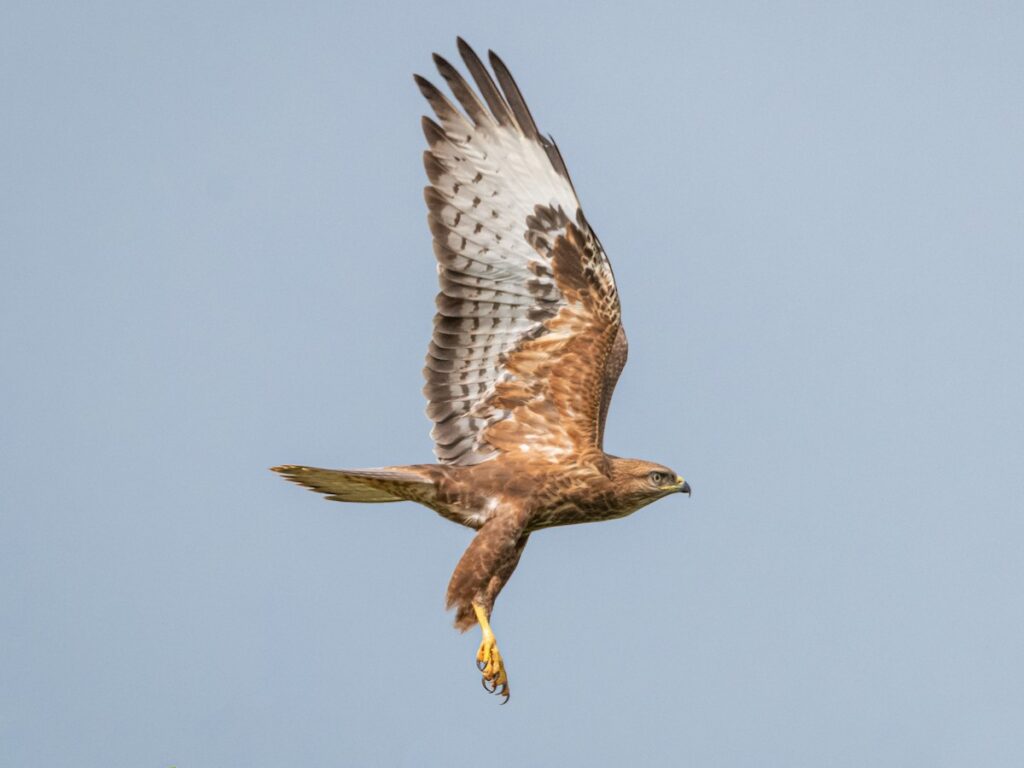
The “Raptors for LIFE” project will bring together six organisations to protect and conserve three emblematic birds of prey in Cyprus: the Griffon Vulture (Gyps fulvus), the Bonelli’s Eagle (Aquila fasciata) and the Long-legged Buzzard (Buteo rufinus).
The project will officially begin in October 2026 with co-financing from the EU LIFE Programme and will be led by BirdLife Cyprus, together with the Game and Fauna Service, the Vulture Conservation Foundation, the State General Laboratory, the Cyprus Police and the Electricity Authority of Cyprus.
The initiative aims to ensure the long-term conservation of these species by addressing the main threats contributing to their mortality, including poisoned baits, electrocution, collisions with electricity infrastructure, illegal shooting and drowning in open water reservoirs.
Griffon Vulture population remains critical
In Cyprus, the Griffon Vulture remains in a particularly critical condition, with its population standing at just 37 individuals.
In recent years, poisoned baits and electrocution have emerged as the most significant threats to the species’ survival.
The Bonelli’s Eagle, the only eagle species that continues to breed in Cyprus, remains vulnerable to persecution, poisoning and risks linked to energy infrastructure.
The Long-legged Buzzard, despite expanding its presence on the island over recent decades, continues to face serious threats including shooting, electrocution, collisions and drowning, requiring further detailed study.
Building on previous conservation projects
“Raptors for LIFE” builds on the important results of two previous EU-funded projects, LIFE with Vultures and LIFE Bonelli’s eastMed, which were recently completed.
These projects played a key role in strengthening the protection of the Griffon Vulture and Bonelli’s Eagle in Cyprus by identifying the main causes of mortality and assessing their impact on populations.
For the Griffon Vulture, significant population support was achieved through the transfer and release of birds from Spain, while cooperation between authorities was strengthened to prevent and address the illegal use of poisoned baits.
The new project will expand this experience and knowledge to cover all three species, while further developing measures to reduce the threats they face.
The participation of state authorities as official project partners is considered particularly important, building on the successful cooperation established through previous initiatives.
Targeted actions to protect wildlife
Through “Raptors for LIFE”, targeted field actions, institutional measures and awareness campaigns will be implemented, including:
- Providing scientific evidence through laboratory analyses to support criminal proceedings in wildlife poisoning cases.
- Improving procedures for investigating and prosecuting wildlife crimes.
- Strengthening expertise in detecting poisons through new equipment and specialised training.
- Identifying unexpected toxic substances in poisoning incidents to prevent emerging threats.
- Expanding measures against illegal poisoned bait placement, including the creation of an additional detection team with a specially trained dog.
- Marking and monitoring birds using GPS transmitters.
- Carrying out interventions at dangerous electricity transmission and distribution points to reduce electrocutions and collisions.
- Introducing measures to prevent drownings in open water reservoirs.
- Strengthening the Griffon Vulture population through the release of additional individuals.
- Raising awareness among hunters, farmers, livestock breeders, rural communities, students and the wider public.
- Improving expertise through training and seminars with international organisations.
Cooperation key to protecting species
The project will place particular emphasis on cooperation between government authorities, scientific bodies, environmental organisations and local communities.
Beyond conservation actions in nature, effective protection of birds of prey requires coordination, knowledge, enforcement of legislation and the involvement of people living and working in rural areas.
“Raptors for LIFE” aims to create a safer future for Cyprus’ large birds of prey while contributing to biodiversity conservation, ecosystem protection and the wellbeing of rural communities.
Also read: Vultures breed again in Cyprus for first time in 5 years
For more videos and updates, check out our YouTube channel
