

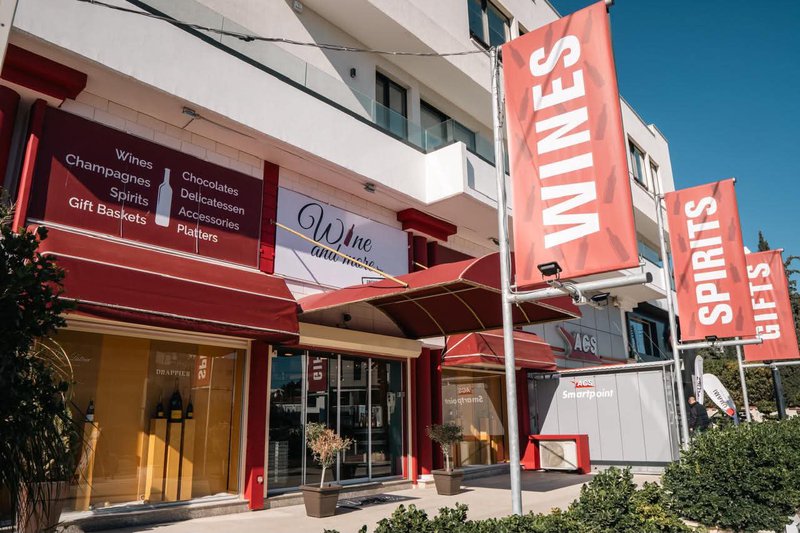
The 20-year-old who took the reins at Wine & More speaks to Check In Cyprus about Gen Z’s relationship with alcohol, his entry into the family business at 17, and the philosophy behind a carefully curated corporate gift.
Introduction
At 17, he learned the business through sales, deliveries, and client meetings. At 20, Raphael Chaillou aims to contribute to the growth of Wine & More, starting from a unique vantage point: he belongs to the exact generation the wine and spirits industry is currently striving to understand. He challenges the broad assumption that “Gen Z does not drink” and describes young consumers who seek quality, authenticity, and a clear reason to choose a product. In his interview with Check In Cyprus, he discusses the professional trust he had to earn due to his age, the lessons learned from his father, and his ambitions for the enterprise. As Christmas approaches, he also explains why the value of a corporate gift begins with proper selection and personal care.
Interview
Raphael, at 20, you are developing a business in the wine and spirits sector while belonging to a generation that is reportedly shifting away from alcohol. How do you experience this contradiction?
I do not truly view it as a contradiction. Gen Z may drink less in terms of volume, but I believe they are simultaneously becoming more selective and conscious about what they consume. For me, this is an opportunity. The industry must evolve, communicate differently, and create experiences that younger consumers can genuinely connect with. Being 20 years old and working in this sector gives me an interesting perspective, as I belong to the generation the industry is trying to understand, while simultaneously operating inside the industry itself, trying to help it adapt to this change.
We often hear that “Gen Z doesn’t drink.” From your daily contact with the market through Wine & More, what is accurate and what do you consider an exaggeration? Is there a specific incident that made you question this narrative?
I believe that saying “Gen Z doesn’t drink” is an exaggeration. From what I observe in the market, younger consumers still drink; they simply drink differently. They place greater importance on quality, experience, presentation, and the history behind their choices. They might consume alcohol less frequently, but when they do, they want more intentionality and substance behind their selection. What changed my perspective the most is how positively young people respond to tastings, events, and more modern approaches to wine. When wine is presented correctly, there is clear interest. Therefore, I do not think the new generation is abandoning the category; I think the category needs to learn how to speak to them differently.
What is a young consumer looking for when choosing a beverage today? How much do taste, price, the producer’s history, the brand, or its image on social media matter?
Today, it is a combination of all these factors. Naturally, taste and price remain critical, but younger consumers also want to connect with what they are purchasing. The producer’s history, the brand’s identity, the packaging, and even the way it is communicated on social media all play a role. Consumers demand authenticity, but they also want a product that they feel expresses who they are. That is why I consider the strongest brands today to be those that manage to combine quality with a strong identity and experience.
If you compare your generation with your parents’ generation, what is the biggest difference in how, when, and why they drink? Do you also observe these changes in orders from the restaurants, hotels, and retail shops you partner with?
The most significant difference is that younger consumers operate less out of habit. Previous generations were often more loyal to the same category, the same brand, or the same style of wine. Today, young people want variety. They want to try new and different things, and they are much more influenced by trends, travel, gastronomy, and social media. We see this clearly in the market. Restaurants and hotels are requesting more interesting options, expanded by-the-glass offerings, and products with a stronger identity. The consumer is changing, so naturally, wine lists and the way hospitality venues sell beverages are changing as well.
Ultimately, is Gen Z threatening the alcohol industry or forcing it to reinvent itself? If you could change one entrenched perception industry professionals hold regarding young consumers, what would it be? Gen Z is certainly challenging the traditional business model, but that is not necessarily a negative development. Every industry must evolve when consumer behavior shifts. The companies that recognize this early will likely be the ones that benefit the most. What I would primarily like to change is the assumption that young people simply do not care about wine or spirits. I believe they do care, but they must be approached differently. They want more authenticity, better experiences, and brands they can truly connect with. For me, therefore, this challenge is actually an opportunity to reinvent the way the industry communicates.
You joined the family business at 17. What initially drew you into this sector, what were your first responsibilities, and when did you realize you wanted to build your own career path within it?
I entered the business very young, at 17, and initially, I assisted wherever I could—sales, clients, deliveries, events—essentially learning the business from the ground up. What attracted me the most was the commercial side and the branding. I enjoyed interacting with people, negotiating, building relationships, and seeing how our decisions directly impacted the business. But what fascinates me the most is the idea that you can select a product from millions of different options, believe in it, build its market presence, and ultimately see a consumer who had never heard of it before enjoying it at a table in a highly regarded restaurant. That feeling is what truly made me love this profession. At some point, I stopped feeling like I was just helping the family business and started seeing it as something I genuinely wanted to develop. That is when I became much more ambitious regarding my own role and where we could take Wine & More in the future.
In an industry where experience and long-standing relationships carry significant weight, did you have to work harder to be taken seriously due to your age? Do you remember a moment when you felt you earned the trust of a demanding partner?
Definitely. When I was 17 or 18 years old, I attended meetings trying to sell products that technically I was not even old enough to consume. Furthermore, I have always looked younger than my age, so it was natural for some professionals to underestimate me before I even started speaking. It was difficult initially, but it taught me something vital about sales: people form an opinion about you incredibly quickly. I learned to read the person sitting across from me and adapt my introduction, my speaking style, and the way I presented the business. I became highly conscious of the first ten seconds of a meeting and learned to project confidence and knowledge without trying too hard to prove myself. I would not say there was one specific moment where everything changed; it was a gradual process. The real satisfaction came when clients who were initially hesitant started calling me directly, asking for my opinion, trusting my recommendations, and ultimately giving me more business. For me, that was the clearest indicator that I had earned their trust—not because of my age, but because of the value I brought to the table.
Which of your own initiatives at Wine & More do you think has made the biggest difference so far? And how do you balance your family’s experience with your own willingness to try new approaches?
The most significant change I have personally tried to introduce is a more assertive commercial mindset and a greater emphasis on growth, branding, and visibility. I have always wanted Wine & More to be more than an import and distribution company. I want us to build brands, create experiences, operate closer to the consumer, and constantly seek new avenues for growth in different markets. At the same time, one of my greatest advantages is the experience surrounding me. My family, and particularly my father, has been in this sector for many years, so I have a great deal to learn from that background. The balance is achieved through respecting that knowledge, while maintaining the willingness to question certain habits when I recognize that the market is shifting. The best decisions usually emerge when experience and a fresh perspective meet in the middle.
Moving on to corporate gifts, what distinguishes a thoughtful wine or spirits selection from a standard professional gift? How do you approach a proposal at Wine & More that must express a company’s identity and suit the recipient?
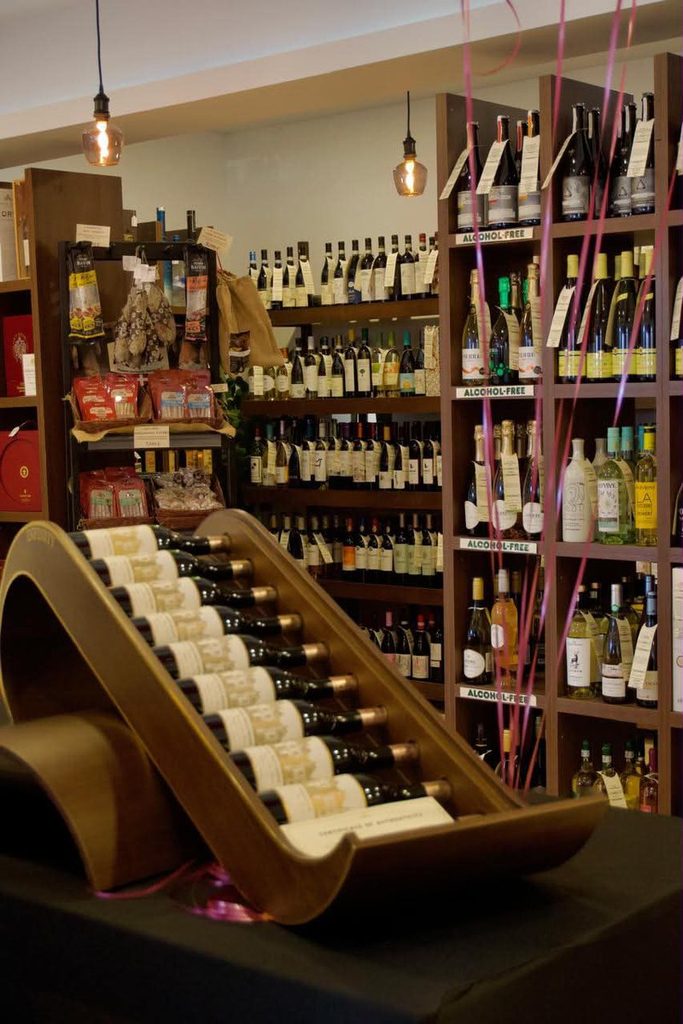
A strong corporate gift should never feel generic or standardized. It must demonstrate that thought was put into who is offering it, who is receiving it, and what message the company intends to communicate. At Wine & More, we build every proposal around the client—their budget, their brand, the demographic of the recipients, and the image they wish to project. Sometimes this requires a premium bottle, other times a comprehensive gift box, and other times a much simpler, but precisely chosen item. Value does not necessarily dictate a higher spend. Value is found in making the gift feel personal, relevant, and careful in its presentation.
As Christmas approaches, what are businesses requesting for client and partner gifts? What options do you recommend this year, and how can a gift maintain a personal touch even with a limited budget?
This year, companies are seeking gifts that feel more premium and personal, but they are simultaneously much more careful with their budgets. Our approach is to provide options across different price tiers, ensuring that the more economical proposals never look cheap. This could be a well-selected bottle, a small gift box, or a more elaborate basket featuring wine, spirits, and gourmet products. Presentation and precise selection are what make the difference. Even with a restricted budget, if the products are chosen correctly and the packaging is highly polished, the gift will leave a strong impression.
If we revisit this conversation in ten years, what do you believe will have changed the most in the wine and spirits industry? And where would you like yourself and Wine & More to be at that time?
The industry will become significantly more experience-oriented, highly digital, and focused on how brands communicate directly with consumers. Quality will continue to be essential, but the mechanisms through which people discover products, connect with brands, and finalize purchasing decisions will continue to change rapidly. In ten years, I would like Wine & More to be a substantially larger regional enterprise, with a strong presence beyond Cyprus, while maintaining the identity and personal approach that defined the company’s success to date. Personally, I would like to look back and recognize that I built something far larger than what I started with—not solely in scale, but in reputation, corporate culture, and the brand equity we established around the business.
Also read: Limassol street food event to support children’s health
For more videos and updates, check out our YouTube channel.
