

By Christopher Pitsillides
1940 vs 2026: The Donkey vs the Scooter
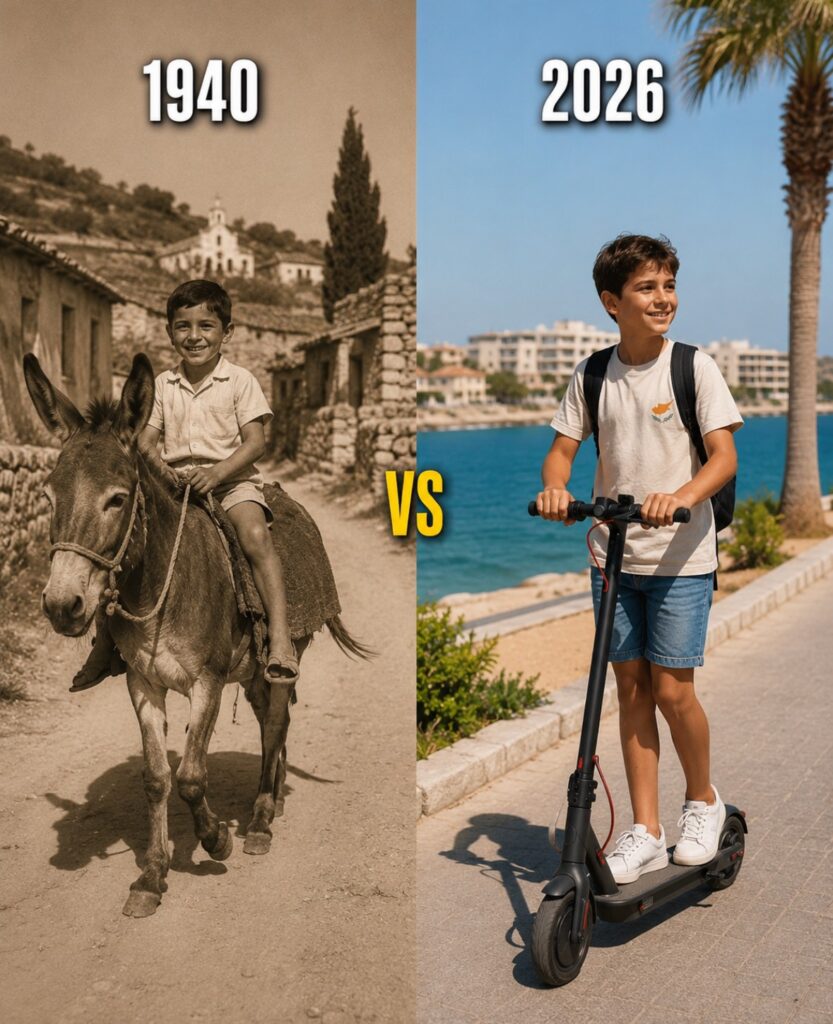
In 1940 Cyprus, a child rode a donkey because there was no other choice. Villages were remote, roads were rough and childhood meant movement whether you liked it or not.
In 2026, the child rides an electric scooter because walking 300 metres apparently feels unreasonable. We gained comfort and lost our daily cardio.
1990 vs 2026: The Kite vs the Drone
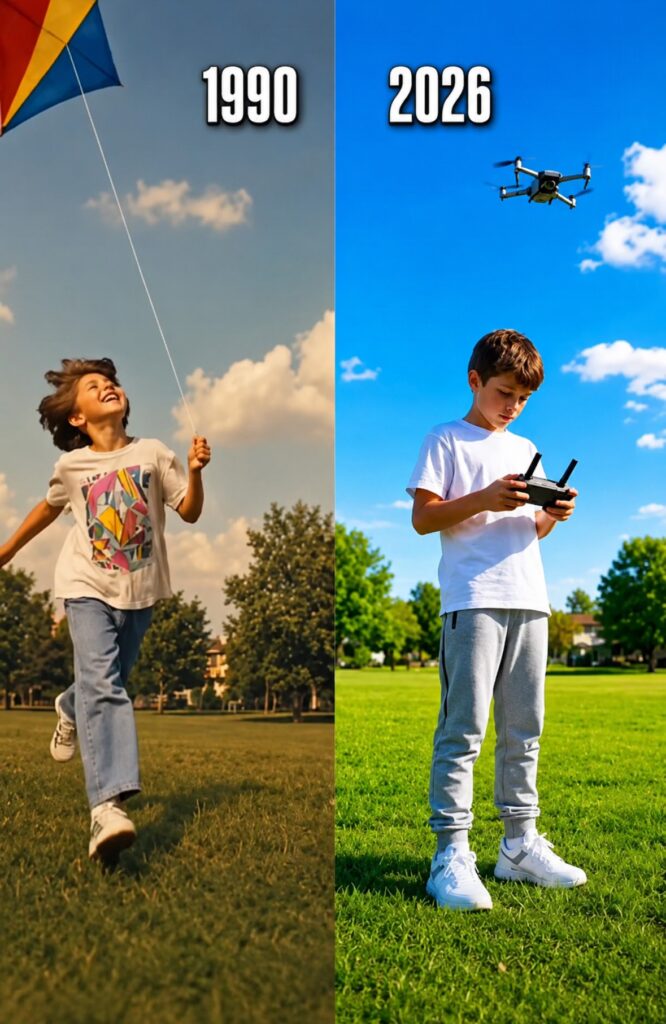
In 1990, children flew kites for hours, argued over whose kite was better and returned home only when mothers started shouting names from balconies.
In 2026, children fly drones with GPS, HD cameras and smartphone apps while somehow spending even less time outside.
1980s vs 2026: The Television vs the Viewer
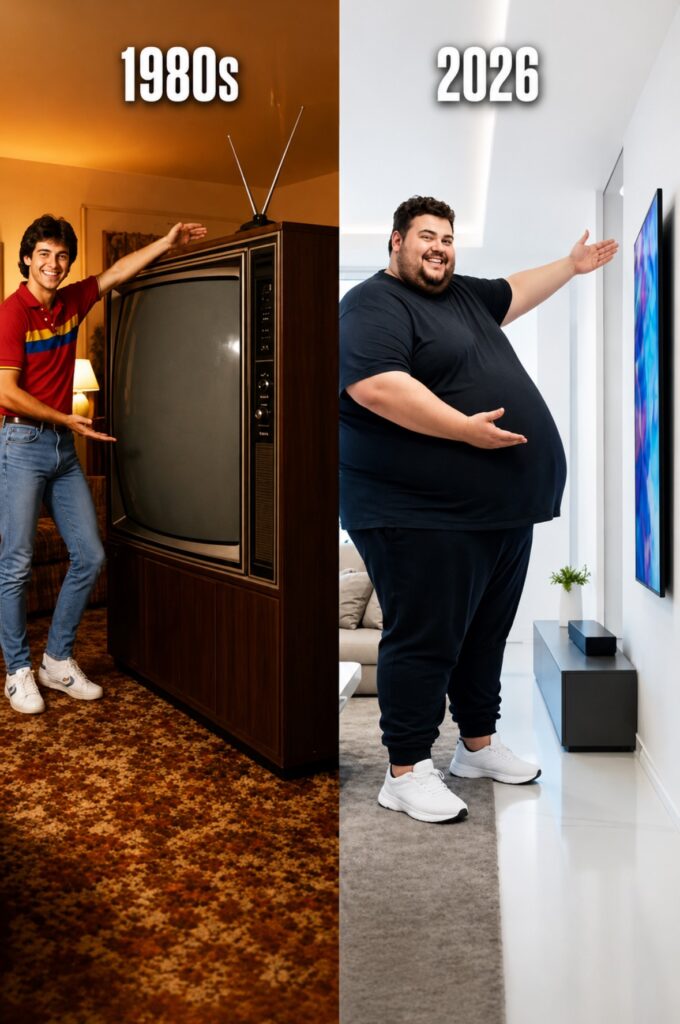
In the 1980s, televisions were enormous boxes that occupied half the living room, but people somehow remained relatively slim.
In 2026, the television is flatter than ever but in many cases, the viewer is not. Food arrives to the door, work happens from a chair and “exercise” now includes watching someone else do it on YouTube.
1962 vs 2026: The Teacher vs the Parent
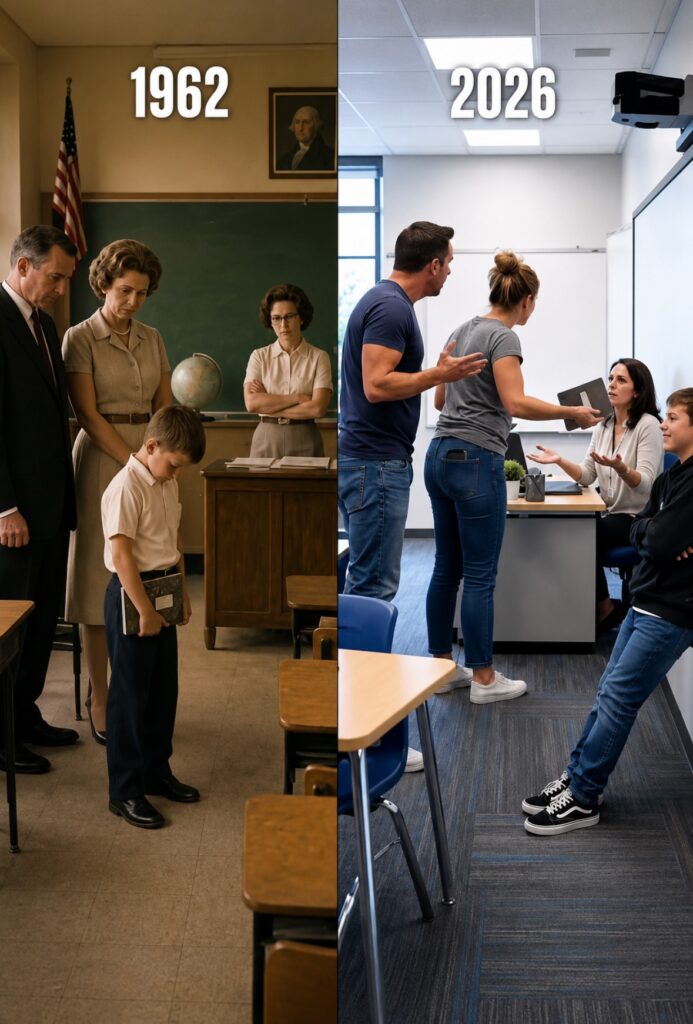
In 1962, if the teacher complained, the child panicked.
In 2026, if the child complains, the teacher panics.
Parents once defended schools automatically. Today, WhatsApp groups conduct investigations faster than Parliament.
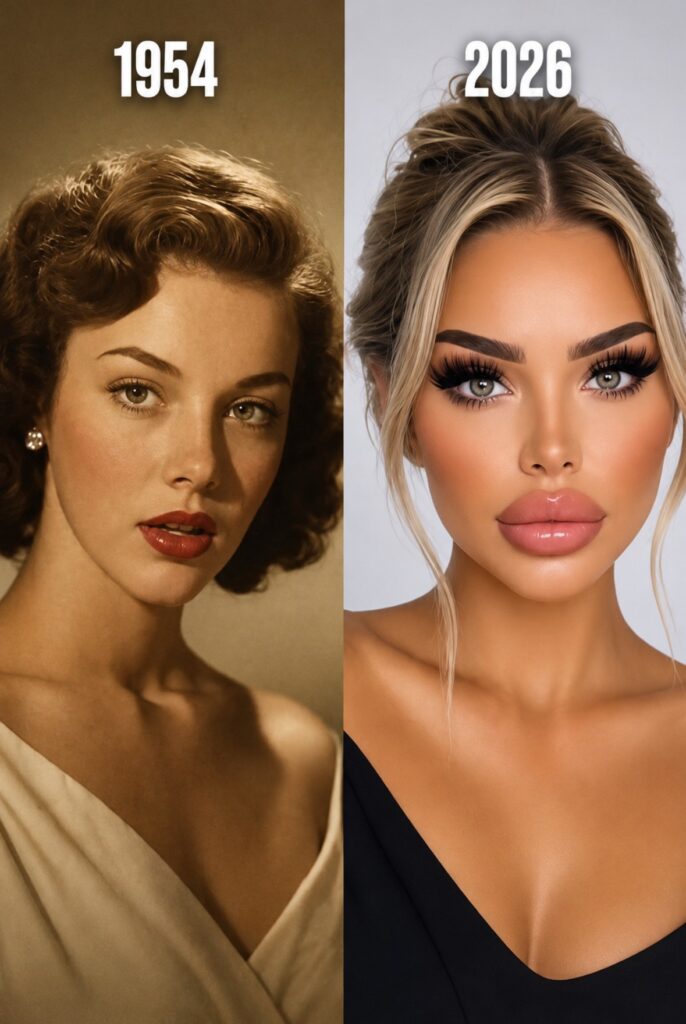
1954 vs 2026: Beauty Natural vs Subscription Based
In 1954, beauty mostly depended on genetics, confidence and sleep.
In 2026, beauty often requires appointments, filters, injectables, gym memberships and enough monthly maintenance to qualify as a utility bill.
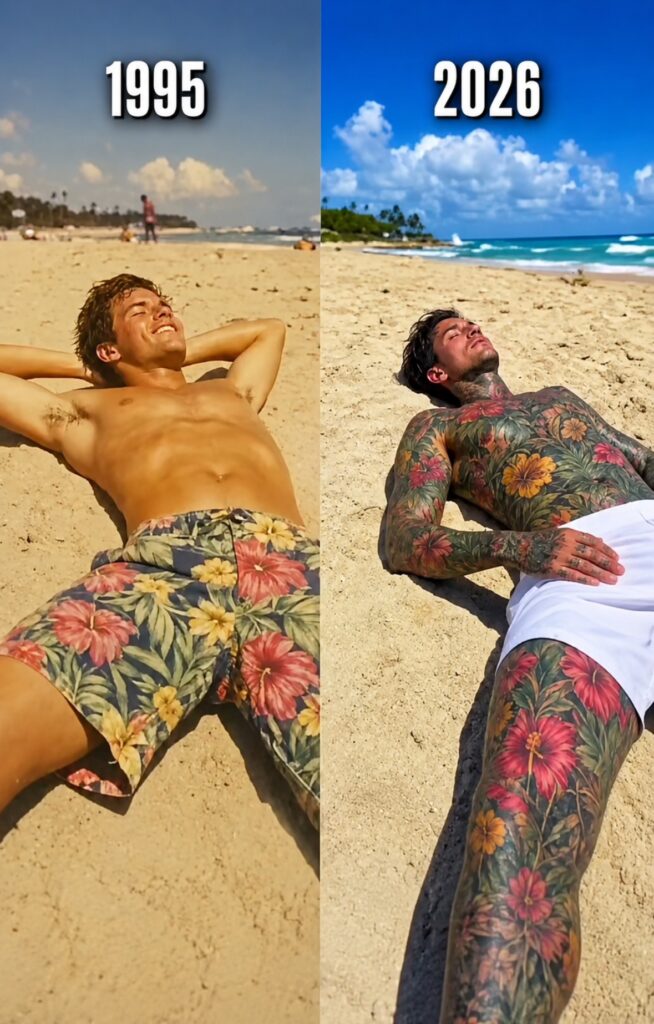
1995 vs 2026: Nissi Beach Simplicity vs Self-Expression
In 1995, a day at Nissi Beach was simple: sun, sea, a pair of loud floral shorts and enough confidence to lie on the sand without worrying how you looked. Identity was personal and mostly unwritten.
In 2026, the beach has become a canvas of self-expression. Tattoos tell stories, aesthetics are curated and identity is increasingly worn on the skin. What was once private is now visual individuality no longer whispered, but displayed.
Of course, before nostalgia takes over: old Cyprus also had poverty, hardship and limitations. Nobody rode donkeys because it was “organic living.”
Still, somewhere between the donkey and the drone, the kite and the algorithm, many Cypriots quietly wonder if we upgraded life faster than we upgraded ourselves.
And one question remains: when Cyprus in 2040 looks back at us in 2026, will they laugh at how primitive we were or envy how normal we still looked?
Also read: In 1965, they filmed the Cyprus we still argue about
For more videos and updates, check out our YouTube channel
