

Research in Greece is exploring whether one of the Mediterranean’s most damaging invasive species could be transformed from an ecological threat into a source of valuable materials for cosmetics, regenerative medicine and biotechnology.
Professor Magdalini Krokida of the National Technical University of Athens (NTUA) is examining how biomass from the invasive silver-cheeked toadfish, commonly known in Greek as lagokefalos, could be used within a circular economy model while supporting efforts to protect marine ecosystems.
Its biomass can be used to produce bioactive peptides that have been reported to possess properties linked to collagen protection and the inhibition of certain enzymes associated with skin ageing, attracting interest from the cosmetics industry.
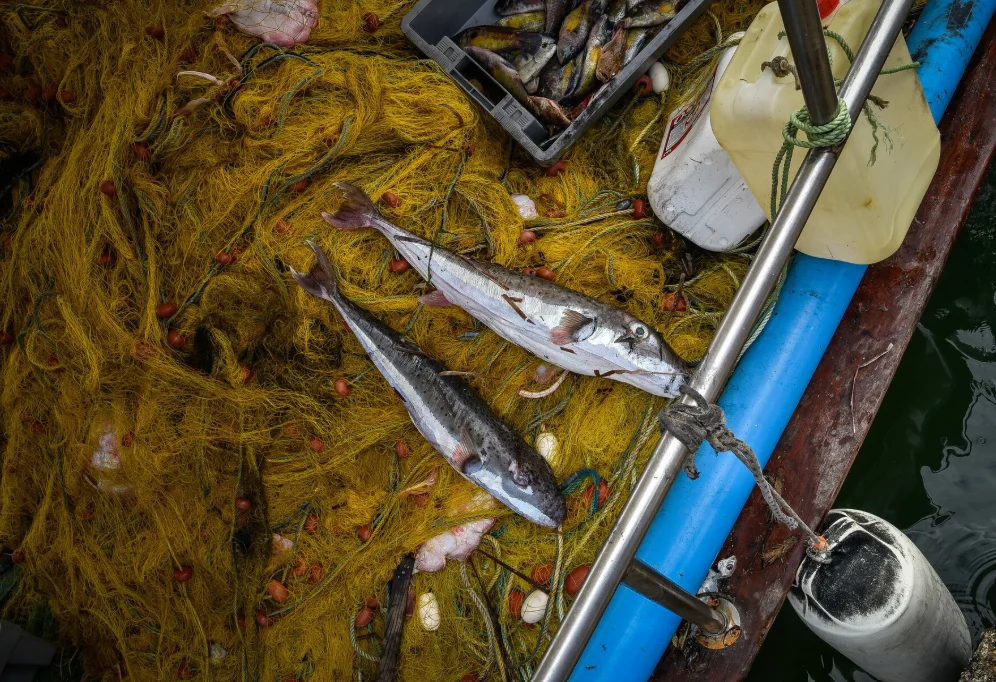
Even more strikingly, researchers are also studying the very substance that makes the fish so dangerous: tetrodotoxin.
The powerful neurotoxin is being investigated in neurobiology, in the development of new painkillers and in experimental cancer treatments.
The species has become increasingly prominent in recent months because of its rapid spread through Greek waters and the dangers associated with its presence.
It damages fishing nets and catches, places pressure on native marine species and has become emblematic of the growing pressures facing the Mediterranean.
Researchers are now asking whether, under strict safety conditions, an invasive species that disrupts ecological balance could become a raw material for high-value non-food applications.
The toxin that makes pufferfish dangerous – and valuable
Tetrodotoxin is the substance that makes the fish highly dangerous, but it is also among the most scientifically valuable compounds that can be recovered from it.
When isolated and purified under strict protocols, the toxin has significant research potential.
And tetrodotoxin is only one part of the story. The skin, bones, proteins and other components of the fish could potentially be used in applications ranging from cosmetics and collagen production to regenerative medicine.
At the Process Design and Analysis Laboratory of NTUA’s School of Chemical Engineering, Krokida and her team have spent several years studying these possibilities.
“Through systematic research over several years, we have developed technologies for utilising various components, such as the protein, skin and even its poison, as ingredients suitable for various applications in the cosmetics and beauty products industry,” Krokida said.
She added that researchers are examining innovative methods for managing and using the catch for non-food applications, always under strict safety measures because of its toxicity.
In laboratory processes being studied, highly toxic parts of the fish, including the internal organs and spinal area, are first removed.
The remaining biomass can then be used to produce protein hydrolysates. Through enzymatic hydrolysis, this can generate peptides, amino acids and protein concentrates with potential applications in animal feed where permitted, fertilisers, biotechnology processes and cosmetics.
Bioactive peptides attract cosmetics industry interest
Krokida said much of the research focuses on producing bioactive peptides.
Reported properties include antioxidant, anti-inflammatory and antimicrobial effects, collagen protection and the inhibition of some enzymes associated with skin ageing.
This combination of properties has attracted interest from the cosmetics industry.
Tetrodotoxin itself may be the most valuable product recoverable from the fish.
“It is impressive that tetrodotoxin is perhaps the most valuable product that can be obtained from the pufferfish,” Krokida said.
“In ultra-pure form, it is used experimentally in neurobiology, in the development of new painkillers and in experimental cancer treatments.”
She said the price of pure tetrodotoxin for research use is extremely high, making its recovery economically interesting, although specialised facilities are required.
Collagen, oils and other potential uses
The skin and bones of the pufferfish are also a rich source of collagen and gelatin.
Marine collagen is in significant demand because it is easily absorbed, is used in anti-ageing creams, wound dressings and regenerative medicine, and is acceptable to populations who avoid pork- or beef-derived collagen for religious reasons.
Krokida stressed that the toxin does not bind to the collagen itself, although strict purification protocols and analytical testing are required to ensure its complete removal.
Oil containing omega-3 fatty acids and phospholipids can also be extracted from the fish.
Chitosan can potentially be produced as well, despite the species not having an exoskeleton like crustaceans.
Krokida added that residues from processing could also be put to use.
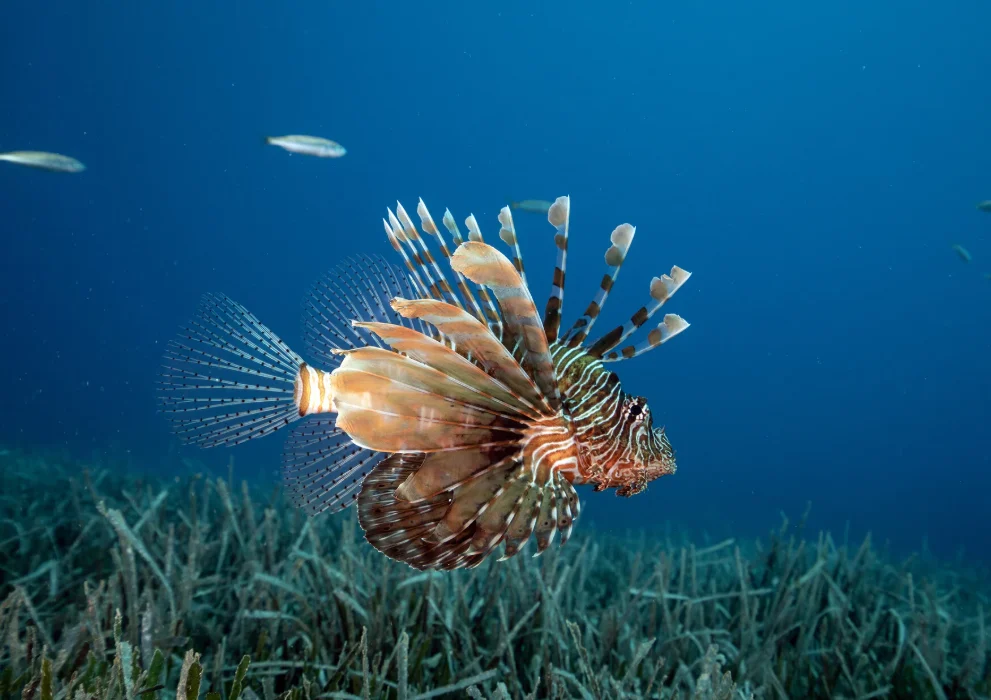
An invasive species reshaping the Mediterranean
The possibility of extracting useful materials from the species is particularly significant because it has already altered ecological balances across much of the Mediterranean.
Krokida places the research within the broader study of invasive species that have entered the Mediterranean through the Suez Canal, a process known as Lessepsian migration.
Such species can cause severe ecological damage by displacing native populations and expanding rapidly in the absence of natural predators.
The pufferfish is a classic example.
Krokida described it as one of the most significant invasive marine species in the Mediterranean, saying its presence in Greek waters has created serious ecological and economic problems.
Because it is highly poisonous, it cannot be consumed and therefore has no conventional commercial value or incentive for fishermen to target it.
The first records of the species in the Mediterranean date to the early 2000s.
Within a few years, it had spread throughout the eastern Mediterranean and across most Greek waters, including Crete, the Cyclades, the Peloponnese and even the Ionian Sea, although its presence remains more limited in the northern Aegean.
Its spread is considered among the fastest observed for an invasive marine species.
Powerful predator damages catches and fishing gear
The pufferfish is an aggressive predator that feeds on fish, cephalopods, crustaceans and shellfish.
Its distinctive and exceptionally powerful teeth can even break the shells of sea urchins and molluscs.
As a result, it can reduce populations of native species while also directly harming fisheries by damaging nets and other gear and attacking catches, reducing their commercial value.
Climate change is helping its spread
The expansion of a warm-water invasive species cannot be separated from the wider changes taking place in the Mediterranean.
Rising sea temperatures are gradually altering marine ecosystems and creating conditions more favourable to species of tropical origin.
Krokida said climate change must therefore be considered as a factor that has helped the pufferfish spread.
“The rise in the average temperature of the Mediterranean due to global warming has contributed significantly to its survival and successful reproduction, resulting in its faster spread westwards and northwards,” she said.
She noted that the Mediterranean is warming around 20% faster than the global average, while sea temperatures and sea levels are also rising rapidly.
Krokida highlighted the record observed in August 2024, when the average Mediterranean sea temperature reached 28.15°C, the highest recorded since official data became available.
She said such temperatures increasingly resemble the tropical conditions that form the species’ natural habitat.
Few natural predators offer little population control
Another factor making the species difficult to control is its lack of natural enemies.
Krokida identified Mediterranean monk seals, large sharks and some dolphins among the few potential predators.
However, she noted that these species do not systematically hunt pufferfish and therefore do not provide an effective means of population control.
From a linear economy to a circular model
Krokida links the research to the broader transition from a linear economic model towards the circular economy.
She recalled that earlier economic models were based heavily on extracting raw materials, processing them, consuming products and generating large quantities of waste, while intensive use of natural resources, energy and pollution created growing environmental pressures.
The circular economy emerged as an alternative approach designed to support economic development while optimising the use of raw materials, extending product lifespans and maximising reuse, recycling and the recovery of energy and materials.
Krokida said this philosophy helped shape her own research priorities.
Using expertise developed at NTUA’s laboratory and high-tech equipment acquired through major European research programmes, the team has focused on environmental research and the recovery of useful components from by-products and waste.
One major research direction involves recovering valuable materials, particularly from the agri-food sector, and turning them into high-value raw materials.
The pufferfish fits directly into this model: a species that creates serious ecological and economic problems but whose biomass could potentially become a source of valuable compounds, provided its toxicity is safely managed.
From removing the fish to using its biomass
Because the species currently has little commercial value, it is not normally targeted by fishermen.
Complete eradication or even major population reduction is now considered practically impossible.
Current strategies include targeted fishing, compensation schemes for fishermen collecting pufferfish, continuous monitoring of its spread, public awareness campaigns discouraging consumption and protection of native large predators that could potentially exert greater natural pressure on the species over time.
Krokida argues that because eradication is unrealistic and there is little commercial incentive to catch the fish, finding safe non-food uses for it becomes more important.
That raises a second question beyond simply removing it from the sea: what should be done with the resulting biomass?
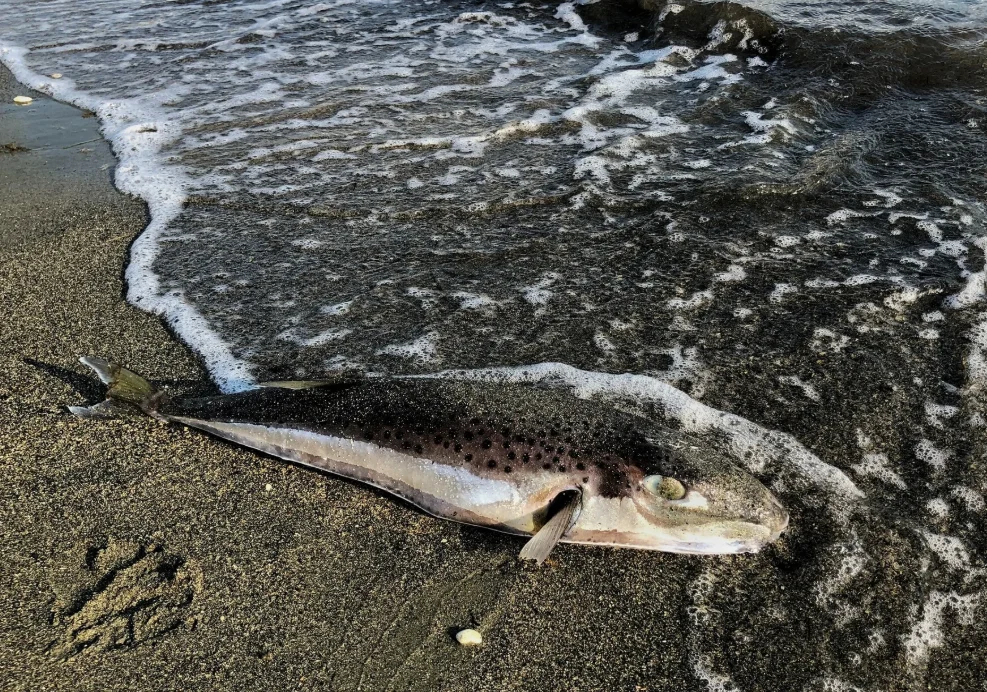
Marine biorefineries could turn waste into value
Krokida said the approach increasingly promoted in Europe is the marine biorefinery model.
Under such a system, tetrodotoxin, proteins, bioactive peptides, collagen, oils and minerals are recovered sequentially from an invasive species, while the final residue can be used to produce bioenergy or organic fertilisers.
“In this way, the species is transformed from an environmental problem into a high added-value raw material,” she said.
That approach also underpins the next stage of the research: Fishguard, a proposed programme aiming to combine invasive species management with the active participation of fishermen, habitat restoration and circular use of biomass.
Fishguard puts fishermen at the centre
Krokida described Fishguard as an innovative but realistic effort to address invasive species in the Mediterranean, particularly pufferfish.
Funding is being sought through the Horizon Europe 2021-2027 programme.
“The idea behind Fishguard begins with the recognition that fishermen are the first to experience the changes caused by invasive alien species in marine ecosystems, yet they are still often treated as simple observers rather than active managers of the marine environment from which they make their living,” she said.
Krokida said the project could ultimately function as a “Marine Invasive Species Biorefinery”.
Instead of simply disposing safely of pufferfish biomass, the aim would be to create an integrated chain producing proteins, collagen, bioactive peptides and other high-value bioproducts, alongside the controlled recovery and safe management of tetrodotoxin.
She said such an approach aligns with European priorities on the circular bioeconomy, blue growth and the use of biological resources.
Fishguard would aim to turn Mediterranean fishermen into trained, paid and institutionally recognised co-managers of marine ecosystems.
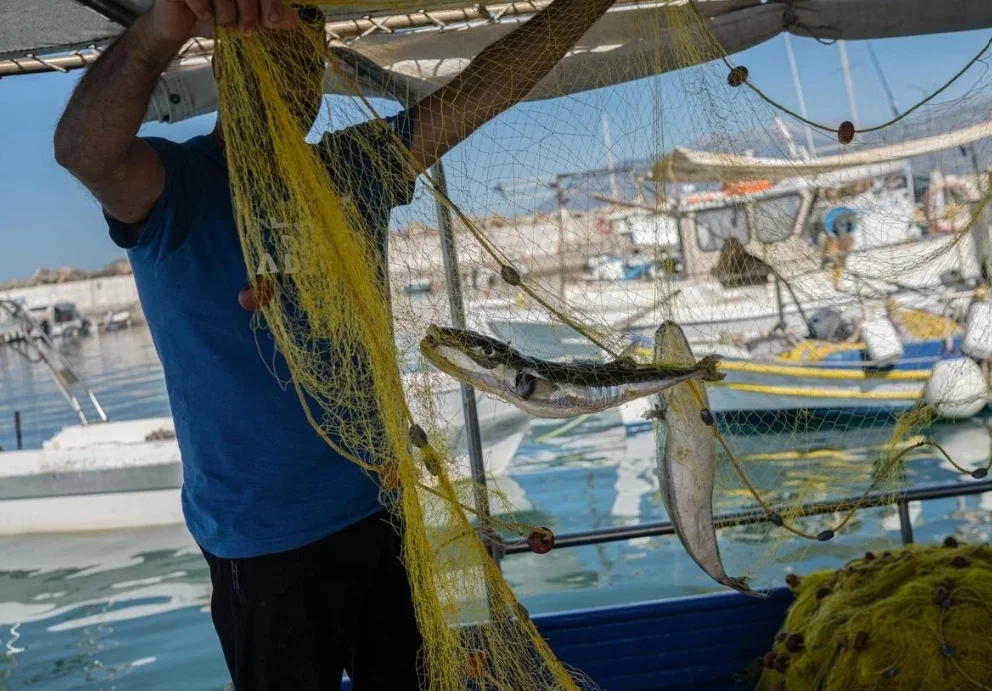
Scientists, fishermen and authorities working together
The project would bring together fishermen, scientists, public authorities, managers of protected areas, ecological restoration specialists, local businesses and organisations involved in the blue bioeconomy.
They would work together to develop effective models for managing pufferfish, restoring habitats and using biomass within a circular economy framework.
According to Krokida, the project combines ecological, social and institutional innovation by placing fishermen directly within marine ecosystem management.
Its proposed elements include fishermen-led management models combining local ecological knowledge with scientific monitoring, co-management systems through Living Labs operating under real-world conditions, habitat restoration linked to pufferfish removal, circular bioeconomy solutions for safe biomass use, and digital monitoring tools compatible with European marine data systems.
The central objective would be to develop, test, evaluate and promote co-management models led by fishermen to control pufferfish and other damaging invasive species, restore vulnerable Mediterranean habitats and strengthen the social and economic resilience of coastal fishing communities.
Research begins to influence public policy
Discussion around pufferfish management has already moved from identifying the problem to implementing practical measures.
At the end of June, Greece’s Ministry of Rural Development and Food launched a pilot programme for managing the invasive species, with total public spending of €1.5 million.
The programme applies in Crete and the South Aegean and provides for targeted fishing involving professional fishermen.
Payments can reach up to €5.33 per kilogram of pufferfish caught.
The programme also includes scientific monitoring and infrastructure for collecting, temporarily storing, transporting and managing the catch.
The intervention is primarily aimed at controlling the population and supporting fishermen.
Research taking place at Greek universities could add another dimension: determining what should happen after the invasive fish is removed from the sea.
Safe use of its biomass, recovery of high-value compounds and integration into the circular bioeconomy could eventually form part of future policy, provided any such measures are based on scientific evidence and strict safety protocols.
The aim is not to minimise the serious environmental threat posed by the pufferfish, but to expand the tools available to deal with it.
If targeted fishing, monitoring and fishermen’s participation are the first step, the NTUA research suggests a possible next one: turning a dangerous invasive species, once safely removed from the ecosystem, from a problem requiring disposal into part of a controlled and potentially useful value chain, including applications in healthcare.
Also read: Summer hunting season begins on 23 August
For more videos and updates, check out our YouTube channel
