

Thirty women sheltered in El Fasher’s Saudi maternity hospital on October 28 when Rapid Support Forces soldiers stormed the facility. Lab technician Abdo-Rabo Ahmed survived, hearing screams as over 460 patients and companions died. Rights groups called it an unspeakable atrocity in Sudan’s two-year civil war.
Global pattern of reproductive violence
A Guardian investigation with Insecurity Insight data reveals nearly 300 attacks on maternity care over three years, including 119 direct strikes on hospitals and delivery wards. Most occurred in Ukraine, Gaza, and Sudan, where hundreds of thousands of pregnant women remain trapped.
At least 68 midwives, obstetricians, and gynecologists killed, 15 kidnapped, 101 arrested – often during births. UN Women’s Sima Bahous described it as reproductive violence, not natural war consequences. Half of pregnancy/childbirth deaths last year occurred in conflict zones.
Impacts in key war zones
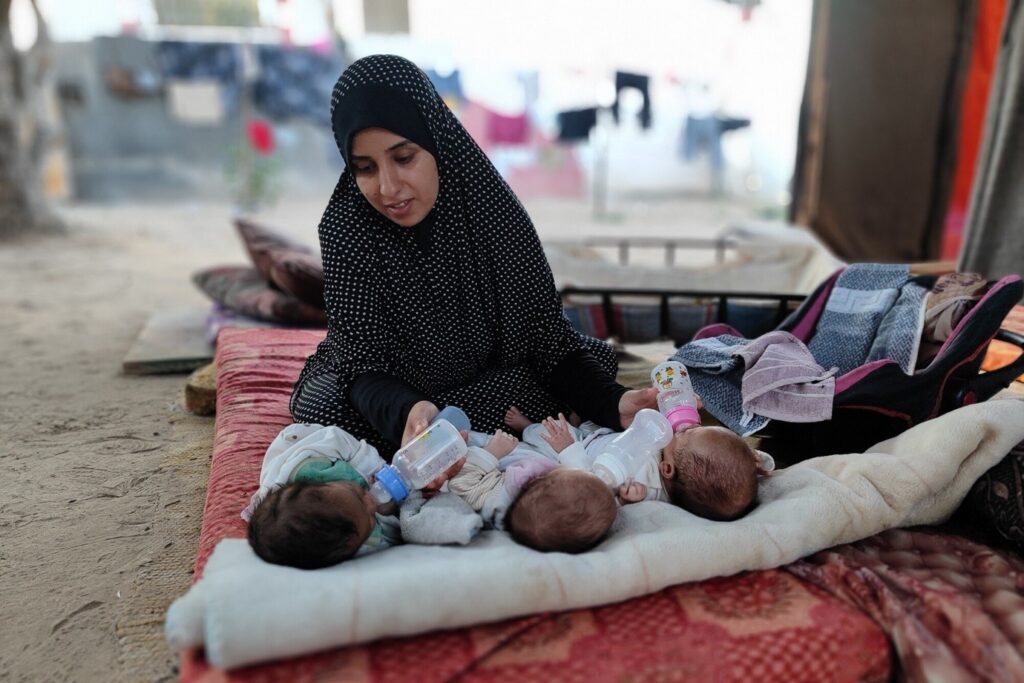
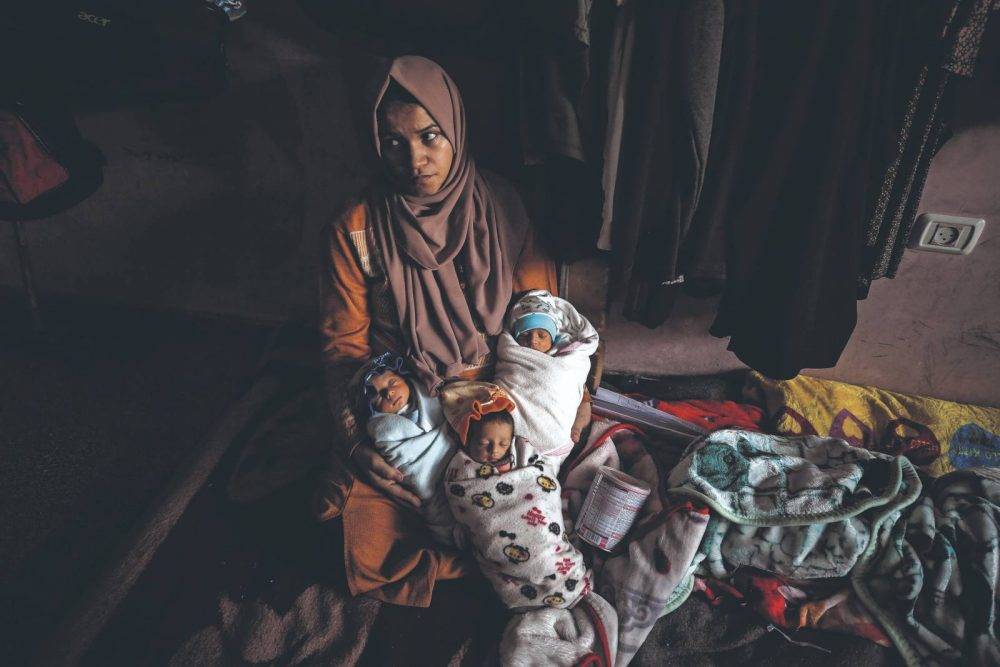
In Gaza, UN cited reproductive health destruction as genocide factor; women birthed in rubble post-ceasefire due to shortages. Al-Awda hospital’s Dr Adnan Radi reported direct hits on maternity wards. Israel denies targeting facilities or birthrates.
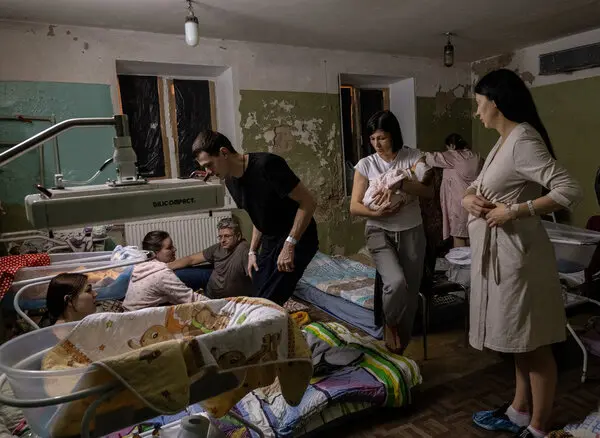
Ukraine saw 80 maternity/neonatal sites damaged since 2022; Kherson’s hit five times. Sumy’s Olga Butenko noted every facility vulnerable to drones/debris. Russia denies deliberate civilian targeting.
Broader threats and impunity
DRC’s Goma shelling killed mothers/babies in neonatal ward; Myanmar bombed facilities, arrested midwives. Attacks destroy care systems, threaten repopulation, spread fear driving home births without aid.
Human rights lawyer Payal Shah highlighted genocide potential via birth prevention. Lack of prosecutions fosters impunity; Geneva Conventions offer limited protection if sites deemed “harmful to enemy.”
Source: The Guardian
Also read: ICE detention record – New high in immigration custody
Subscribe to our Youtube channel for the latest updates.
