

First court appearance since January arrest
Former Venezuelan president Nicolás Maduro and his wife, Cilia Flores, made their first return to a New York courtroom since pleading not guilty in January, with Maduro claiming he had been kidnapped. The defence and prosecution are set to argue over evidence and trial scheduling, with a potential trial date expected to be set.
Legal complexities and defence claims
The case involves multiple legal complications. The defence alleges that the Trump administration is blocking the Venezuelan government from covering Maduro’s legal expenses, violating his constitutional rights. Lawyers are seeking either dismissal of the case or an evidentiary hearing.
Prosecutors argue for restrictions on sharing evidence with other named defendants not yet apprehended, including Maduros’ son and a sitting Venezuelan minister, citing risks to witnesses and potential destruction of evidence.
Charges against Maduro and associates
Maduro, his wife, son, and accomplices face four counts, including narco-conspiracy with designated terrorist groups, cocaine trafficking into the US, and illegal weapons possession, primarily machine guns. Prosecutors allege they provided law enforcement cover and logistical support for drug shipments from Venezuela to the US, facilitated by passports and diplomatic cover.
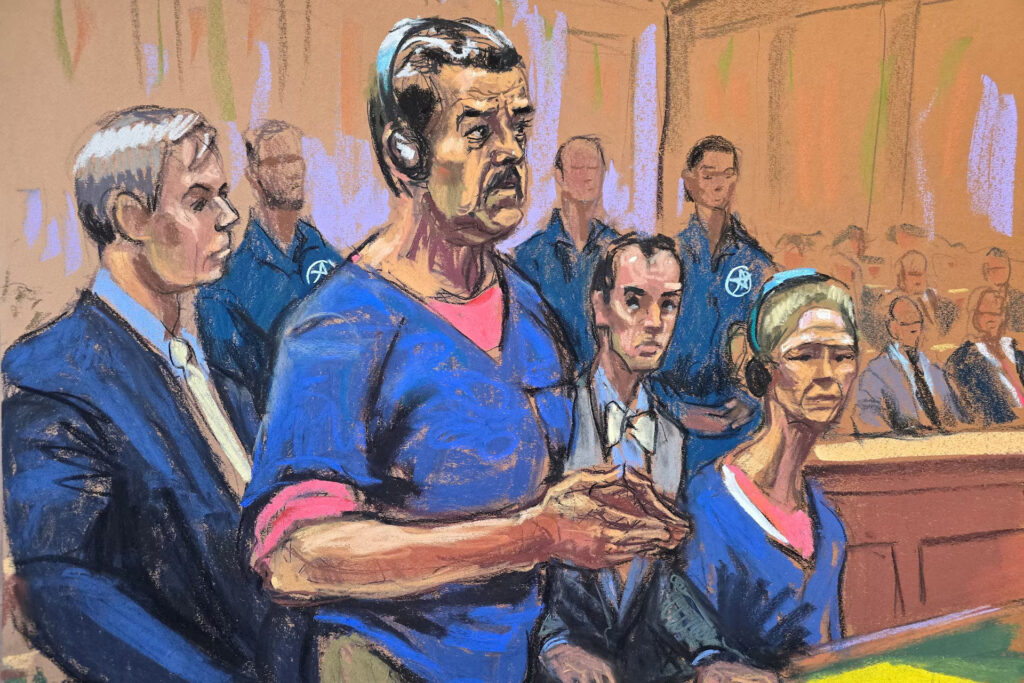
Maduro’s defence and international reactions
Maduro denies being a cartel leader, accusing the US of using its “war on drugs” as a pretext to seize Venezuelan oil reserves. Public opinion in Venezuela remains divided: some hope he is held accountable for crimes, while supporters of Chavismo hope for his release.
Detention conditions and special measures
Maduro is detained at the Metropolitan Detention Center in Brooklyn under special administrative measures, a secure unit for high-risk inmates. His movements are restricted to legal meetings, showers, and supervised recreation, designed to prevent communications that could cause serious harm.
The trial is being closely followed internationally as the US and Venezuelan governments navigate the legal, political, and diplomatic implications of the case.
Also read: Venezuela youth divided in post-Maduro era
For more videos and updates, check out our YouTube channel
