

The winter solstice monuments, falling around 21-22 December, signal the shortest day and the return of lengthening light. Ancient structures, some nearly 5,000 years old, precisely frame the rising and setting Sun. These solar-calibrated sites highlight humanity’s enduring fascination with seasonal cycles.
Maeshowe and Neolithic significance
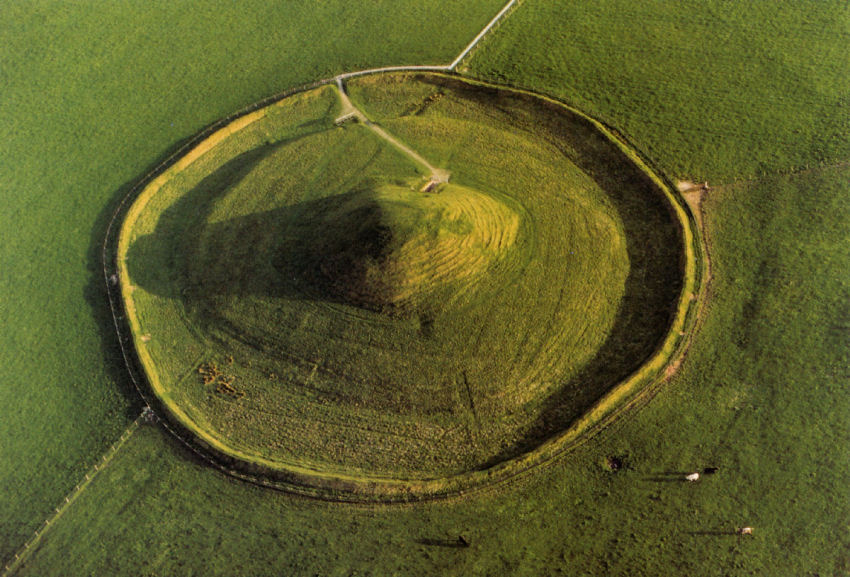
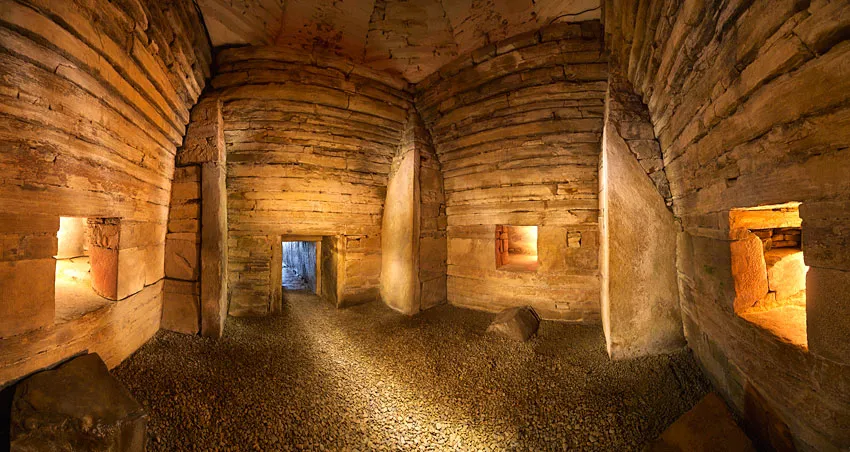
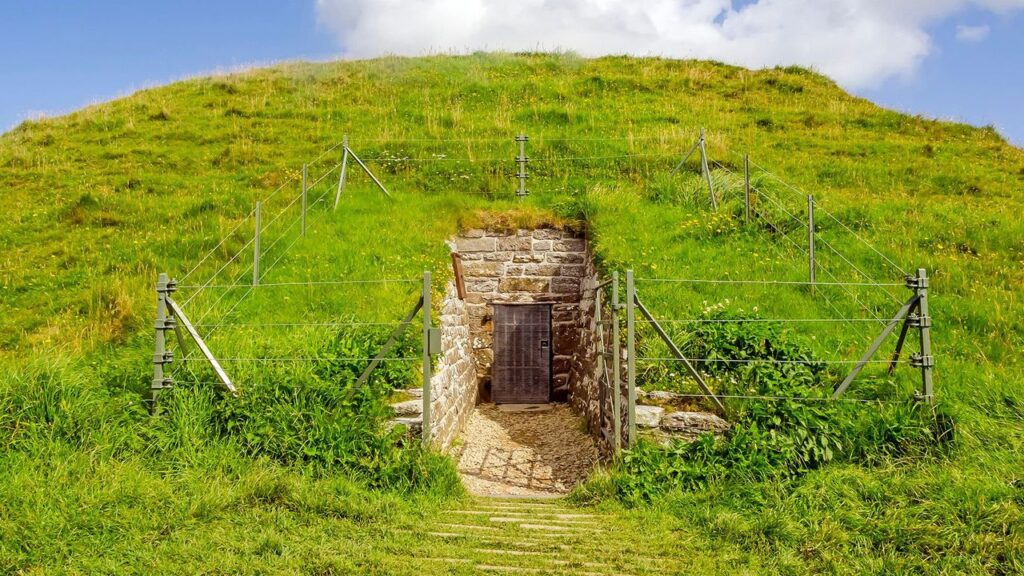
Maeshowe tomb in Orkney, built around 2800BC, features a 33ft entry corridor that captures the setting Sun three weeks around the winter solstice. Clear skies reveal light carving a golden beam into the rear wall, symbolizing renewal after the solstice’s darkness. Such winter solstice monuments marked survival essentials like migrations, climate shifts, and later farming cycles.
Post-9000BC agriculture amplified their role in timing planting and harvests. Spiritually, they embodied beliefs in cycles of death and rebirth, influencing modern traditions like Yule, Saturnalia, Inti Raymi, and China’s Dōngzhì festival.
Global ancient alignments
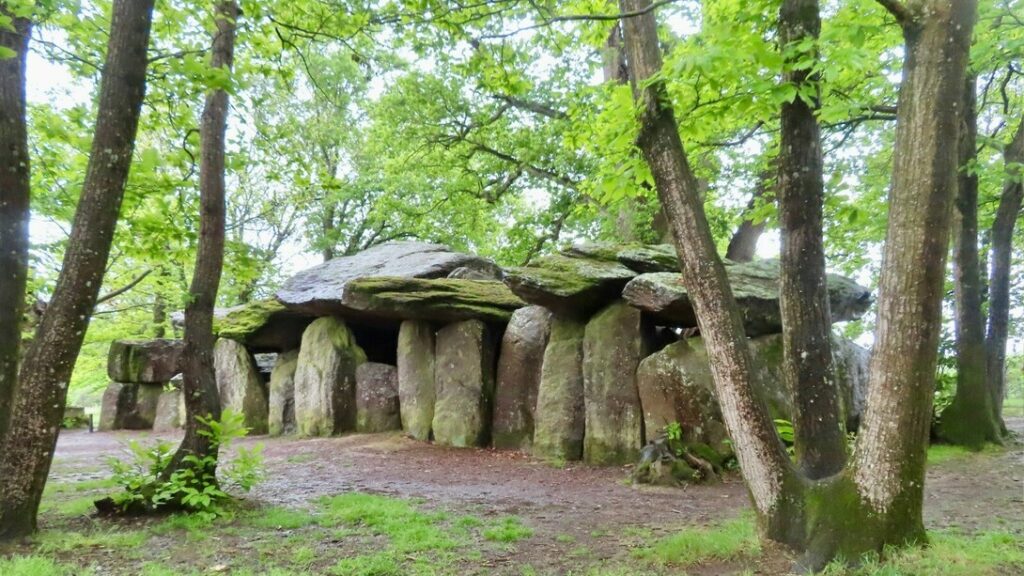
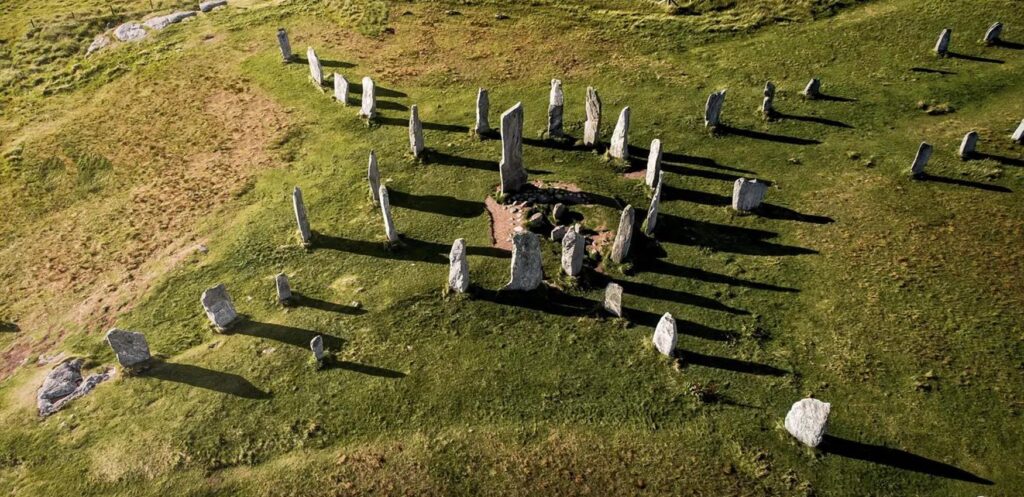
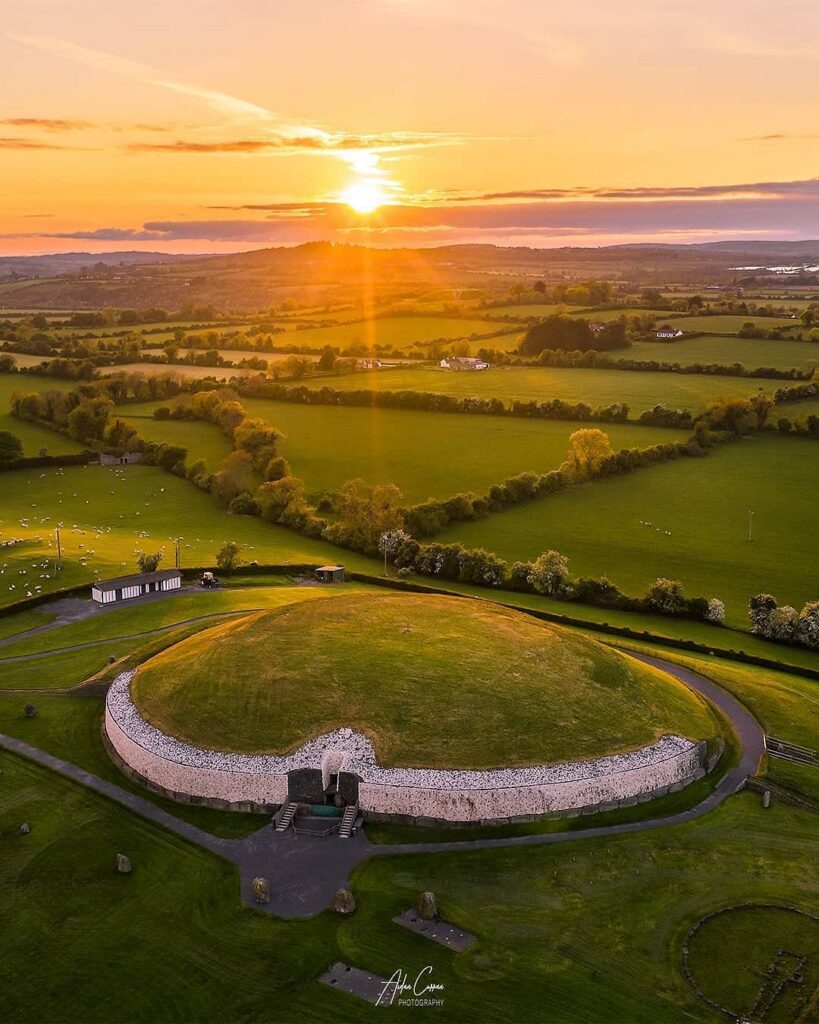
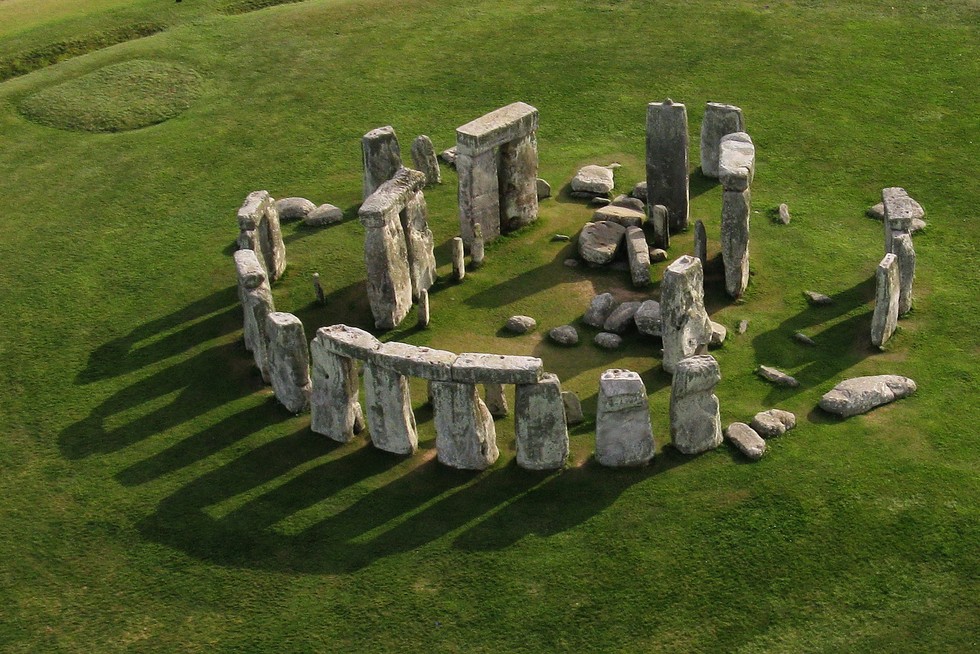
Dozens of Neolithic sites align with the winter solstice. England’s Stonehenge framed the setting Sun via its trilithon; Ireland’s Newgrange passageway catches sunrise; Callanish stones in the Outer Hebrides create solar sightlines. France’s La Roche aux Fées, a 2750BC dolmen from 41 massive stones, illuminates at solstice dawn.
These winter solstice monuments underscore practical and sacred timekeeping.
Modern solar art echoes
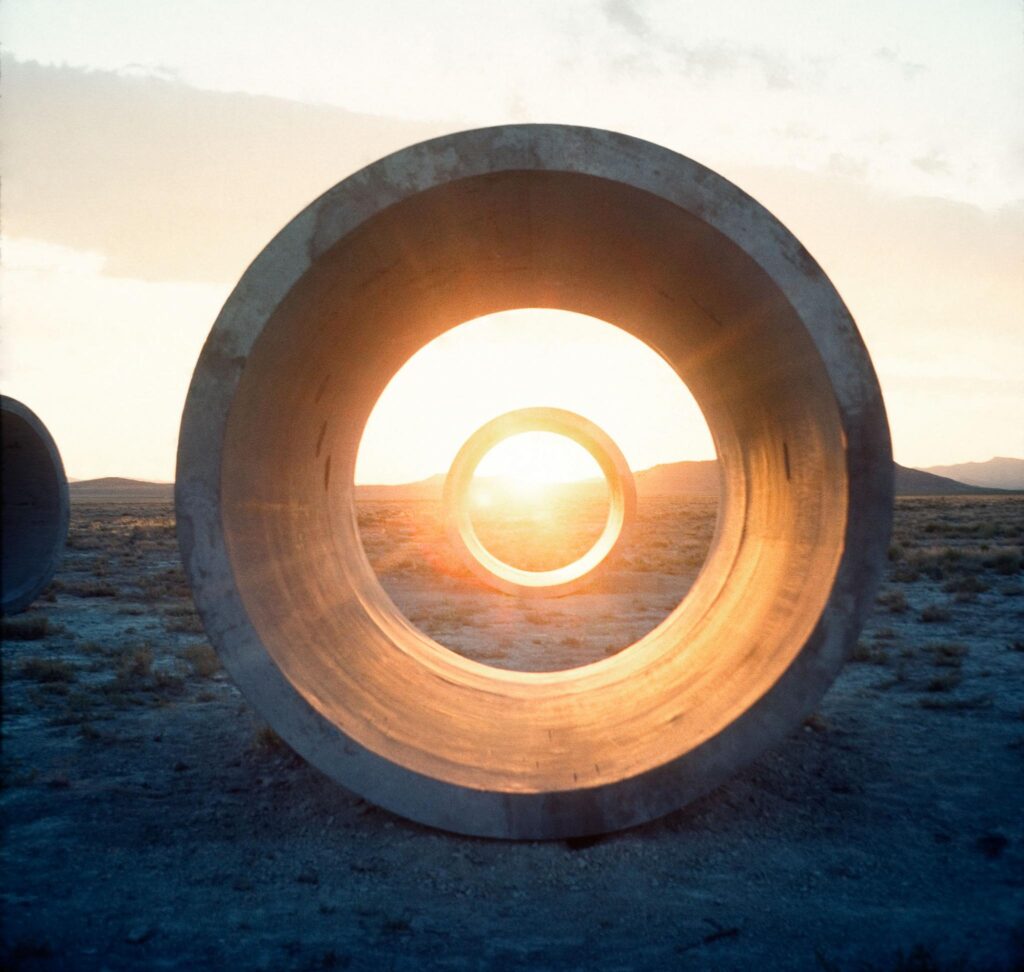
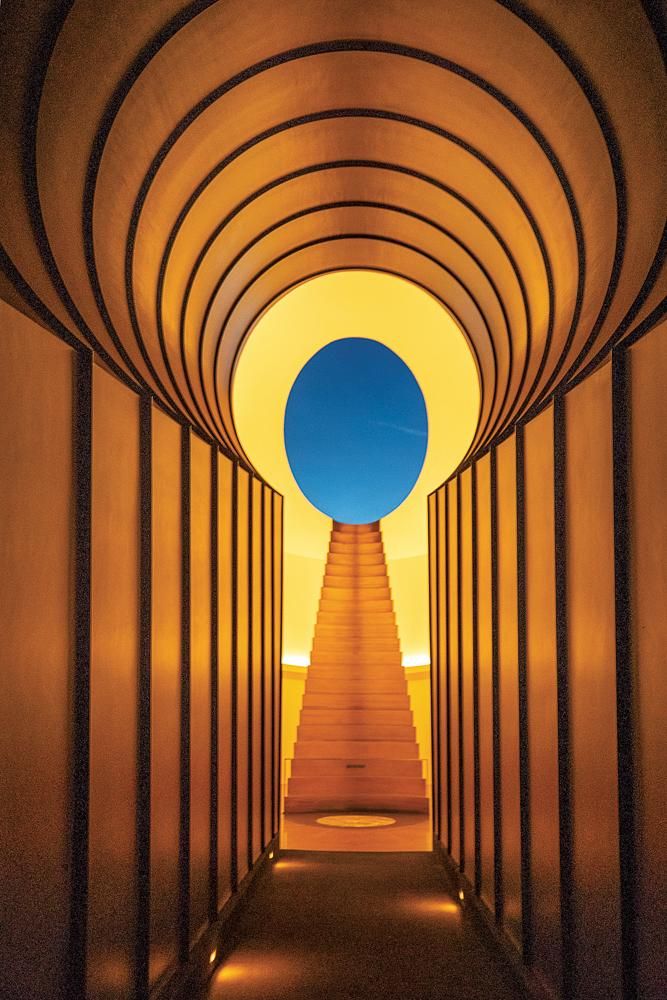
20th-21st century land art revives this tradition. Nancy Holt’s Sun Tunnels (1973-76) in Utah’s desert frames solstice Sun through concrete tubes, scaling vast landscapes to human view amid environmental concerns. James Turrell’s Roden Crater in Arizona features a 900ft tunnel projecting solstice sunlight onto marble, mimicking ancient passages.
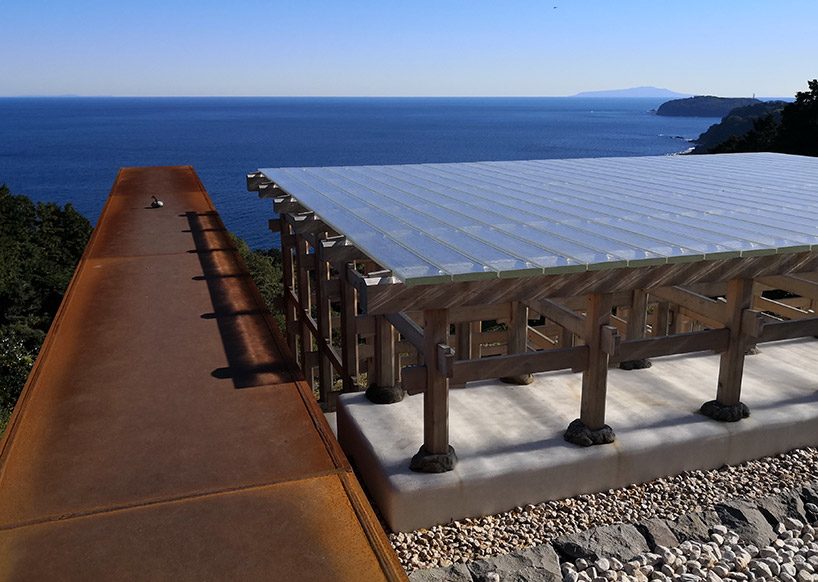
Hiroshi Sugimoto’s Enoura Observatory in Japan (2017) includes a Winter Solstice Light-Worship Tunnel flooding a stone wellhead with dawn light, fostering a “new Neolithic aesthetic” to reconnect with cosmic rhythms.
Timeless solar celebrations
These winter solstice monuments, from ancient tombs to contemporary installations, orient humans to nature’s clockwork. They honor light’s triumph over darkness, promising spring’s warmth. Aligning perfectly with the solstice Sun, they evoke primal awe at seasonal rebirth.
Source: BBC
Also read: The many facets of Trikoupi street in the mural adorning old Nicosia
Subscribe to our Youtube channel for the latest updates.
