

The police investigation into the case of animal abuse in Paphos continues, while Eddie, the dog found in a rubbish bin on 16th January, has been discharged from the veterinary clinic after spending sixteen days under care.
Police investigation and suspect release
According to the police, the two individuals arrested in connection with the case—a 30-year-old and a 61-year-old—have been released pending the results of forensic examinations.
Eddie’s recovery and future treatment
The animal welfare group Stronger Together Animal Rescue reports that Eddie has made incredible progress since his rescue and has now been temporarily discharged from the veterinary clinic.
He is currently being cared for by an animal lover in a foster home until he is stable enough to undergo surgery for tumour removal, as confirmed by the welfare group.
Gratitude for support
Thanks have been expressed to the veterinary clinic overseeing Eddie’s treatment and to all those who have provided financial support for his medical needs.
Eddie found his forever home
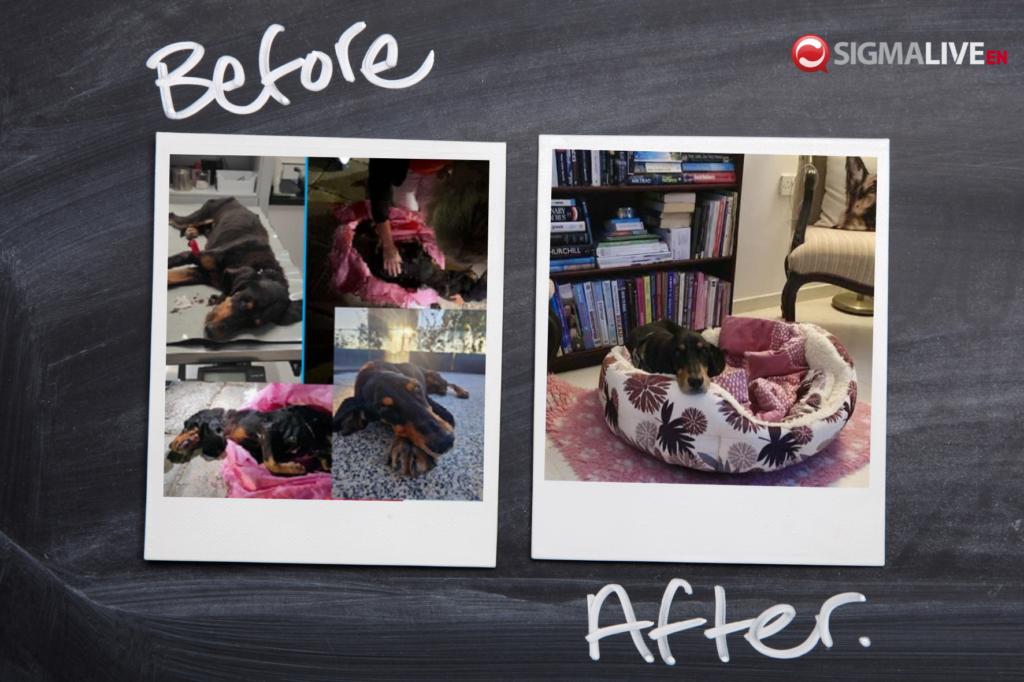
In a post on the Stronger Together Animal Rescue facebook group, it has been announced that Eddie has found a forever home.
Read the post below:
“
 THE UPDATE EVERYONE HAS BEEN WAITING FOR…. EDDIE HAS LEFT THE BUILDING
EDDIE – RESCUED Jan 16, 2025 @ 6:53 PM from a GARBAGE BIN in Peyia, Cyprus
HIS COURAGEOUS UPDATE – Jan 28, 2025 (13 days later)
Eddie, a resilient soul who’s been through more than most of us could imagine. Thrown away like garbage, discarded to suffocate and die in a bin, Eddie was given a second chance at life, and he’s fighting with everything he has to embrace it.
Since being rescued, Eddie has made incredible progress. He’s still gaining weight, regaining strength, and working on his coordination and balance, but his spirit is as strong as ever. Though he’s not fully out of the woods yet, we’re being optimistic about his recovery. His teeth are in very poor condition and his ears are also infected. Once he’s stable enough, Eddie will undergo surgery to remove a tumor from his thyroid, a big step towards getting him back to full health.
The good news? Eddie is now in FOSTER CARE with a wonderful lady who also has a rescue dog from the island. In his new home, Eddie has a loving companion who will teach him everything he needs to know about house living and show him just how abundant love can and should be. No more harm, no more fear—only safety, warmth, and kindness from here on out.
Eddie’s courage is a testament for all other animals suffering from animal abuse, that there are good people out there that truly care and will do everything they can to help.
We are beyond grateful for the amazing professionals PaphosVets Animal Hospital in Kissonegra, for all the messages of support, and to everyone who could spare a donation to support his current and ongoing medical needs.
Stay strong, Eddie. You are loved. 

#JusticeForEddie#voiceforthevoiceless#BeTheChange“
Also read: Shocking animal abuse in Paphos: Dog dumped in bin
Source: CNA