

During the Second World War, Cyprus was under British administration and became a target for Axis air forces because of its strategic position in the Eastern Mediterranean.
The island played an important role in supplying and supporting Allied operations in the Middle East and North Africa. Its strategic importance also made it vulnerable to repeated air raids by Italian and German aircraft.
The World War II bombings mainly targeted military facilities, airfields, ports and other strategic infrastructure, although populated areas were also affected.
Following the fall of Crete in 1941, there were fears that Cyprus could also face an invasion. A ground assault never materialised, however, as German military operations remained focused on North Africa.
Italian, German and Vichy French attacks
Historian Petros Papapolyviou, speaking to Radio Proto, described the bombing of Cyprus as a chapter that has been “almost erased from our collective memory”, despite the scale and intensity of the attacks.
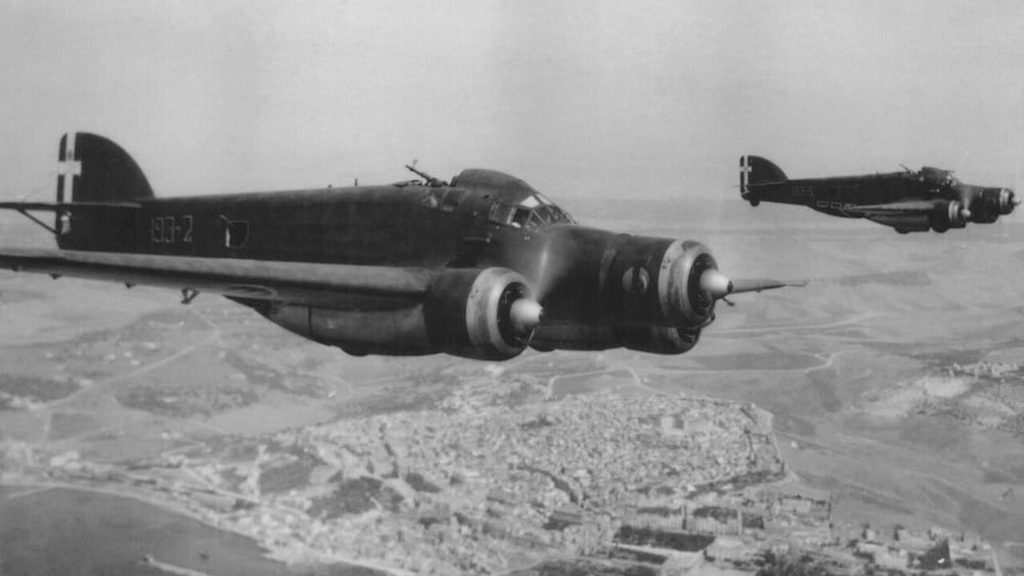
According to Papapolyviou, Italian air raids began shortly after Italy entered the war in June 1940 on the side of Nazi Germany.
Italian aircraft operated from bases in the Dodecanese and were able to reach targets in Cyprus. German air raids followed later.
The historian also highlighted attacks carried out by aircraft operating under the Vichy French government. These aircraft took off from Syria and carried out raids against targets in Cyprus.
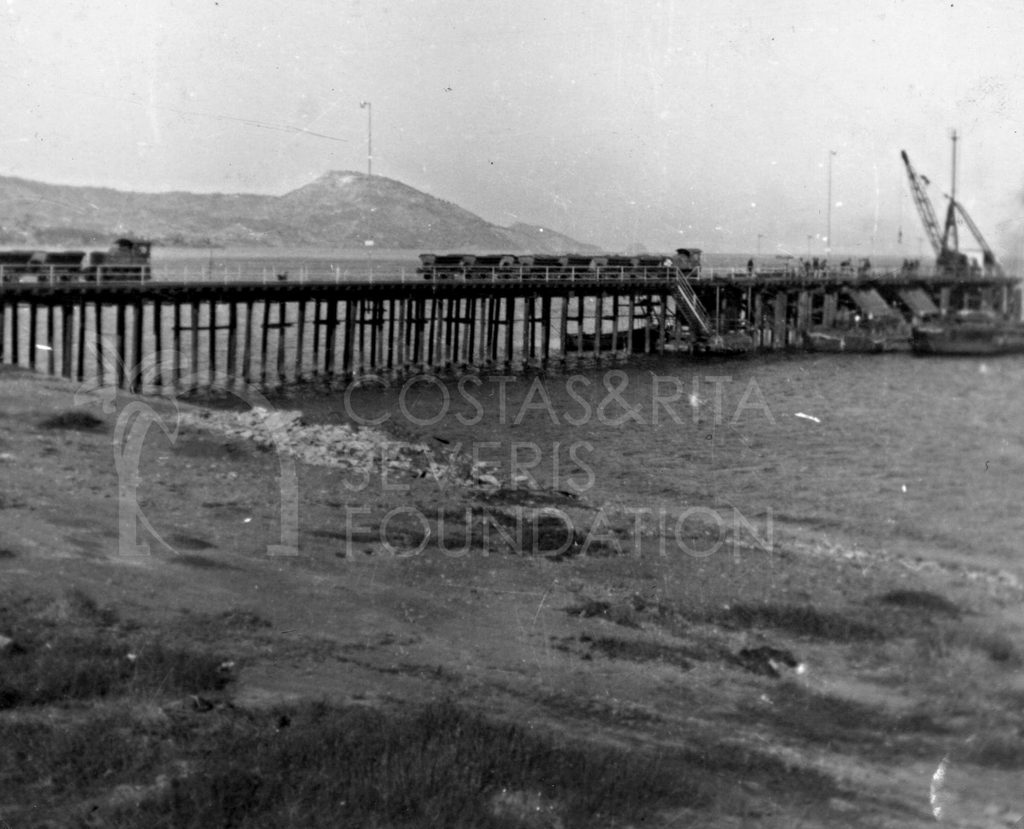
The attacks were not limited to a single area. Xeros, because of its mining facilities, became one of the main Italian targets.
Nicosia and its airfield, Famagusta port and Limassol were also attacked, with particularly heavy bombing reported in Limassol and casualties recorded.
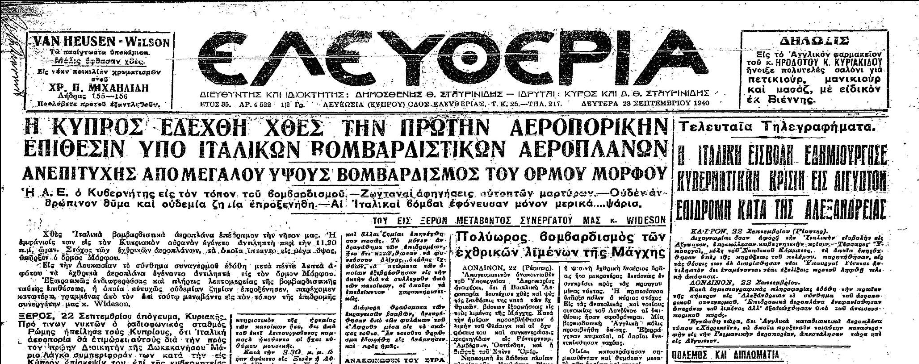
September 22, 1940: Bombs fall on Xeros
One of the notable dates was September 22, 1940, when an Italian air squadron bombed Xeros port.
The raid was aimed at disrupting maritime supply and the movement of Allied resources.
The attack was reported in the Cypriot press at the time, including both Greek Cypriot and Turkish Cypriot newspapers. These reports now provide valuable archival material for reconstructing events on the island.
In May 1941, coordinated Italian and German raids targeted military installations, including the RAF airfield in Nicosia and surrounding defence positions.
A further double raid took place on July 7, 1941. Nicosia airfield was attacked in the morning, while the Famagusta area was bombed in the afternoon.
The attacks forced residents to seek protection in underground spaces and other shelters.
Cyprus strengthens its defences
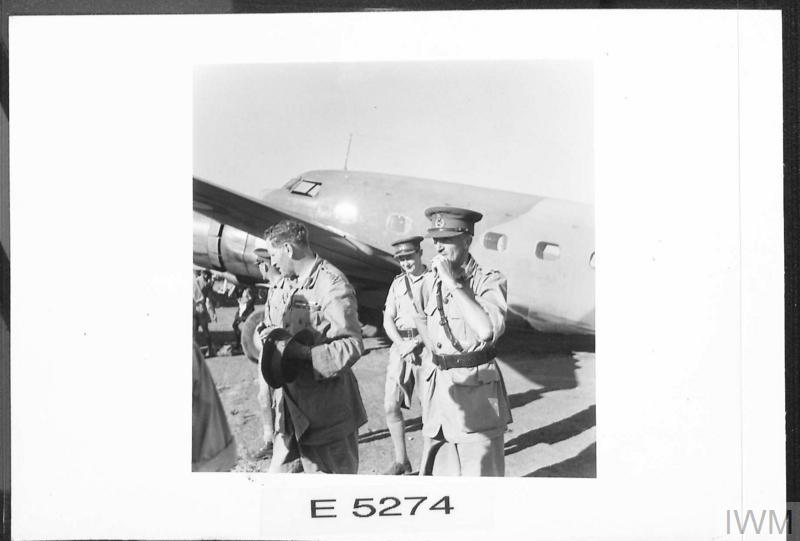
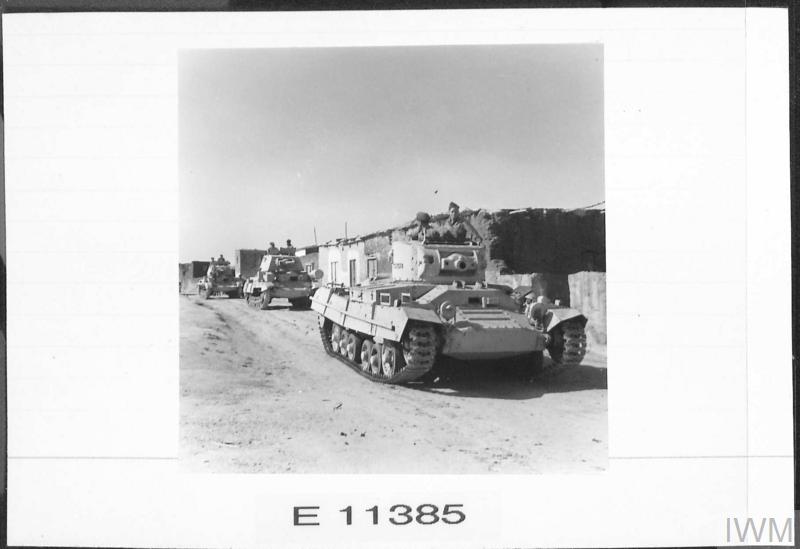
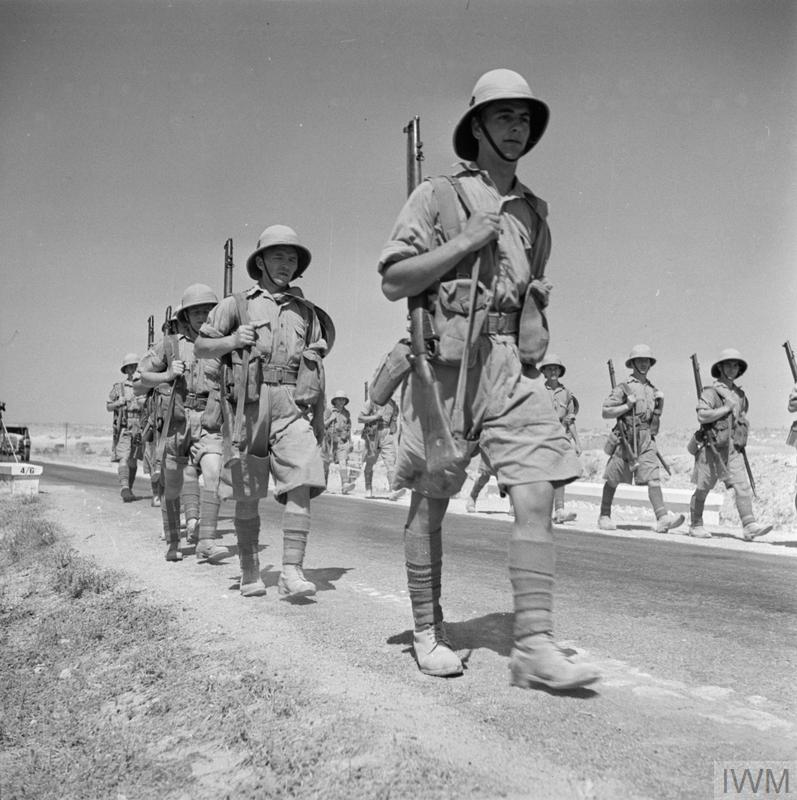
In the early years of the war, the British military presence in Cyprus was limited.
Around 1,500 troops were stationed on the island, a force considered insufficient to fully defend Cyprus in the event of a large-scale attack.
Following the first air raids, anti-aircraft measures were gradually strengthened, while new military and training facilities were established.
Cypriot volunteers, both Greek Cypriot and Turkish Cypriot, also joined auxiliary corps and military units connected with Allied operations in the Middle East.
An overlooked chapter of Cyprus history
Cyprus was ultimately not occupied by Axis forces.
The World War II bombings nevertheless demonstrated the island’s strategic importance in the struggle for control of the Eastern Mediterranean.
The raids on Xeros, Nicosia, Famagusta and Limassol remain a lesser-known chapter of Cyprus’s wartime history, documenting the island’s role in the wider Allied war effort.
Pictures: https://www.iwm.org.uk/
Also read: 31 years ago today: Cyprus enters the internet age
For more videos and updates, check out our YouTube channel
