

Yayoi Kusama, the Japanese avant-garde artist who achieved global superstar status after decades living in a psychiatric hospital, has died aged 97.
Kusama died at a Tokyo hospital on 14 August, her company, Yayoi Kusama Inc, announced on Thursday.
“Throughout an extraordinary lifetime devoted entirely to artistic creation, Kusama pursued an internationally acclaimed career as a pioneering avant garde artist,” the company said in a statement.
It added that she continued painting until her final days and would be remembered for bringing “hope and strength” to people around the world through art.
From Japan to New York
Born in Matsumoto, Japan, in 1929, Kusama experienced hallucinations from childhood, often seeing flowers swarm around her and speak to her. Drawing became a way of coping with what she saw.
At 13, she was conscripted to produce fabric for Japanese army parachutes during the Second World War. She later studied traditional Japanese painting in Kyoto before becoming frustrated with its limitations.
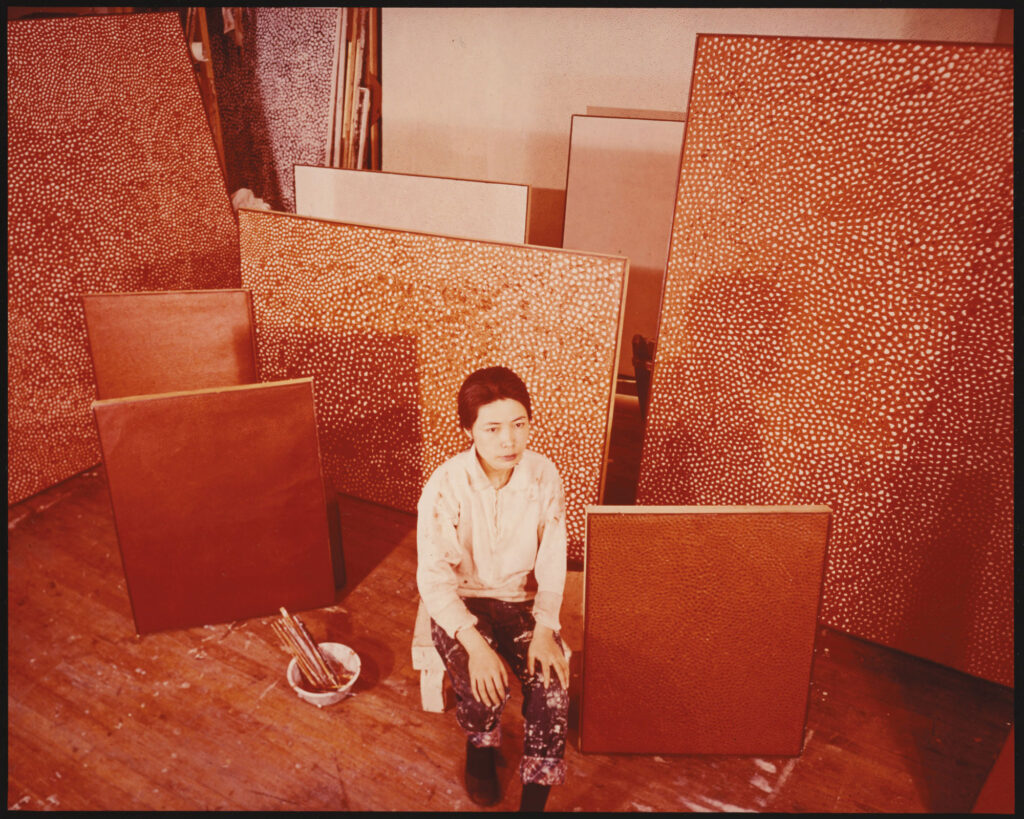
Kusama moved to New York in 1958, where she developed her distinctive “infinity net” paintings, made up of vast fields of repeated dots.
Her work later expanded into sculptures, installations and performance art, with themes of infinity and “self-obliteration” recurring throughout her career.
A pioneer of immersive art
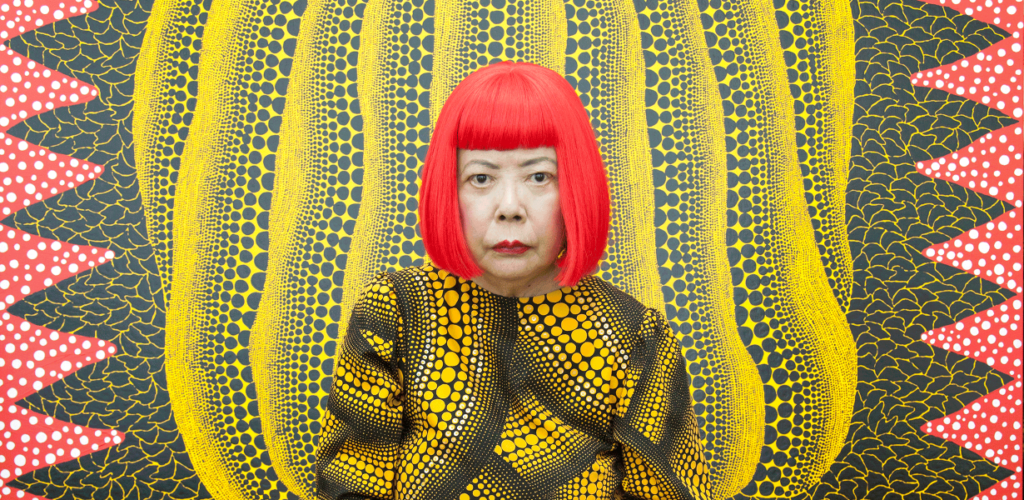
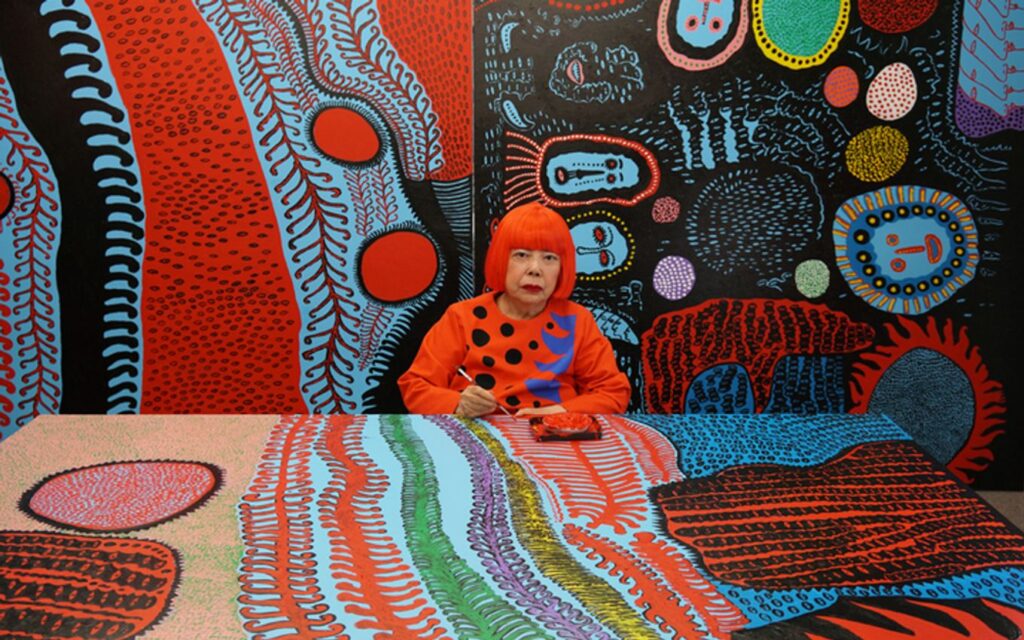
Kusama became known for her psychedelic colours, polka-dot designs and immersive “Infinity Mirror Rooms”. Her work attracted enormous audiences decades after she first developed many of these ideas.
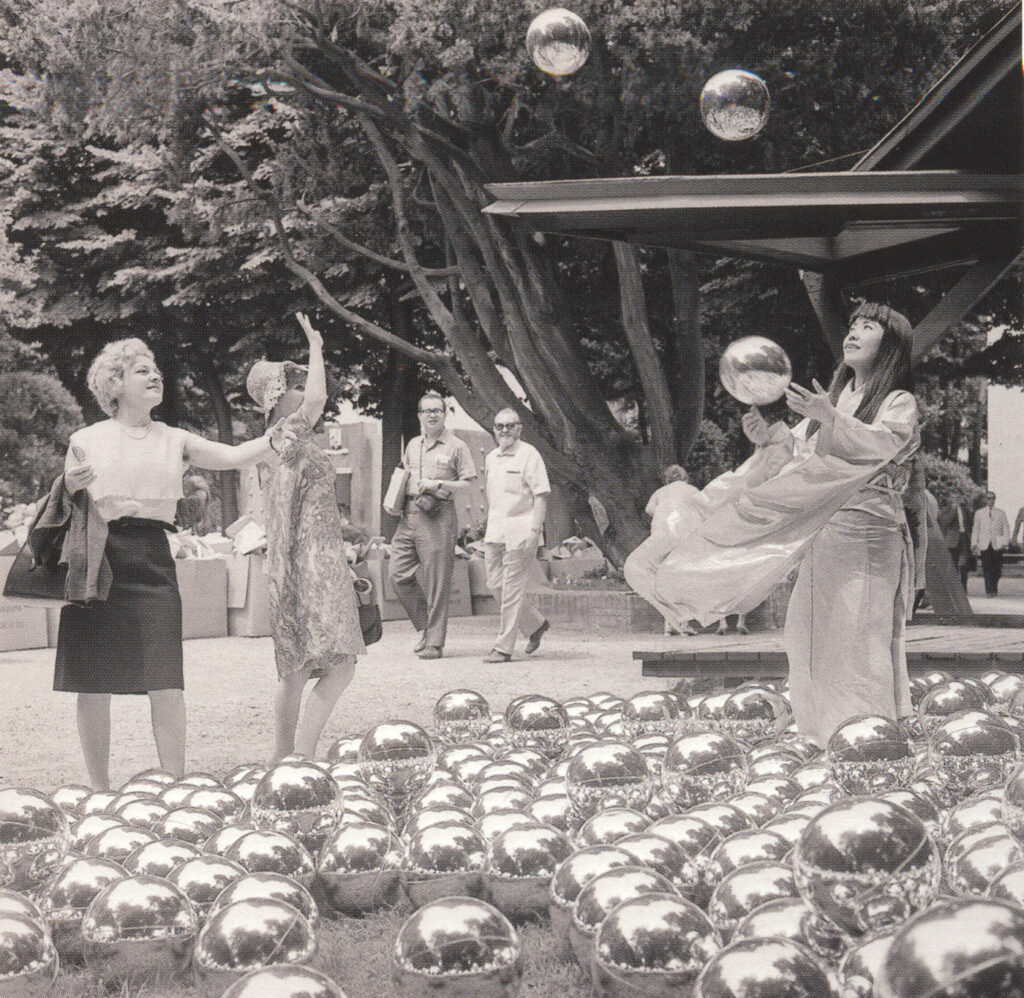
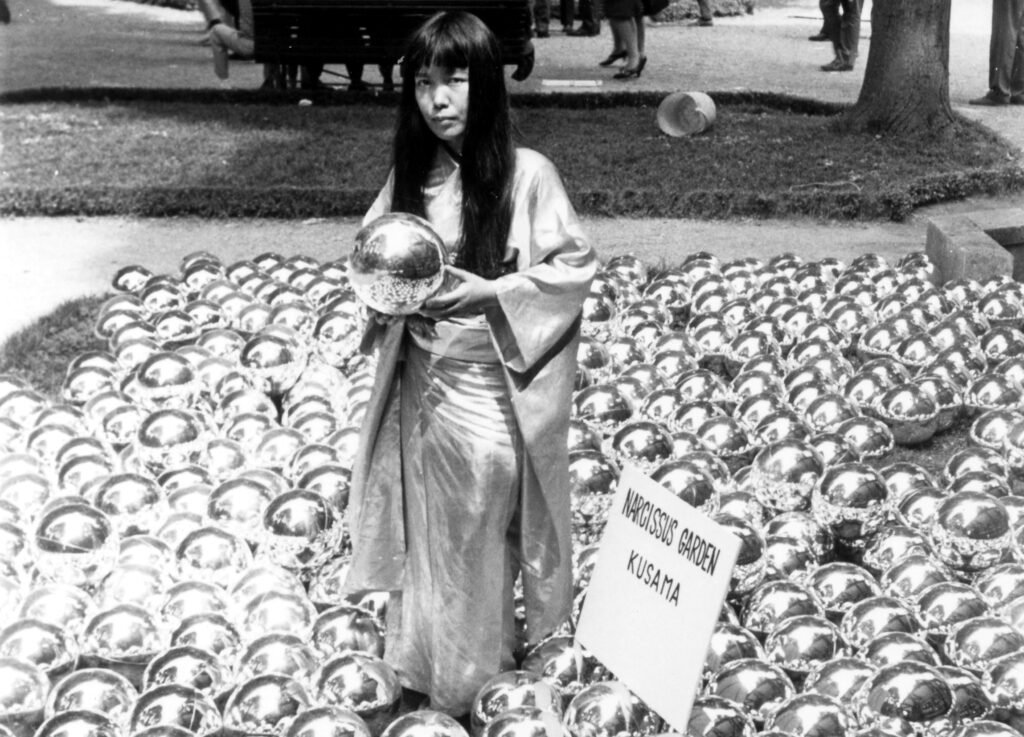
Her 1966 work Narcissus Garden, consisting of 1,500 reflective balls, was presented at the Venice Biennale without an official invitation. Kusama later began selling the balls for $2 each before organisers intervened.
She also staged controversial performances during the 1960s, including events involving painted performers and political protests.
Kusama maintained that some of her ideas had been appropriated by prominent male artists while she was excluded from mainstream art history.
Recognition came later in life
Kusama returned to Japan in the 1970s after her mental health deteriorated following the death of artist Joseph Cornell, with whom she had maintained a close relationship.
In 1977, she voluntarily moved into a psychiatric hospital in Tokyo, where she continued to work from a nearby studio.
Her international recognition grew substantially from the 1990s onwards. She represented Japan at the Venice Biennale in 1993 and went on to receive major retrospectives at institutions including New York’s Museum of Modern Art, Tate Modern in London and Washington DC’s Hirshhorn Museum.
Her installations eventually became major global attractions, with visitors often queuing for hours for brief experiences inside her infinity rooms.
Kusama’s brightly coloured installations and mirrored spaces also became particularly popular in the age of social media.
Despite her extraordinary late-career success, Kusama continued to describe herself as an outsider.
“I cannot imagine how I will be classified after my death,” she once said. “It feels good to be an outsider.”
Also read: Dolly Parton legacy: A lifetime spent giving back
For more videos and updates, check out our YouTube channel
