

A series of workshops and concerts between 31 October – 29 November 2026 in Nicosia.
The non-profit organisation Windcraft Loud is counting ten years of creativity, collaborations, musical encounters and new paths, and is celebrating this with a series of events under the title “Windcraft Back”. The series brings collaborations born out of the organisation’s journey and that of the Windcraft Music Fest back into the spotlight.
Since its foundation, Windcraft Loud’s primary aim has been to build bridges between the local and international music scenes, bringing together artists from Cyprus and abroad and encouraging the creation of new, cross-border musical collaborations. Through the Windcraft Music Fest, dozens of musicians met for the first time, experimented with different musical genres and created original musical projects.
“Windcraft Back” revisits some of these encounters, giving them the opportunity to be revived and further developed. Cypriot and international musicians are coming together once more in Nicosia, presenting their music through four distinct concerts, whilst also sharing their knowledge and experience with the local music community through four specialised workshops.
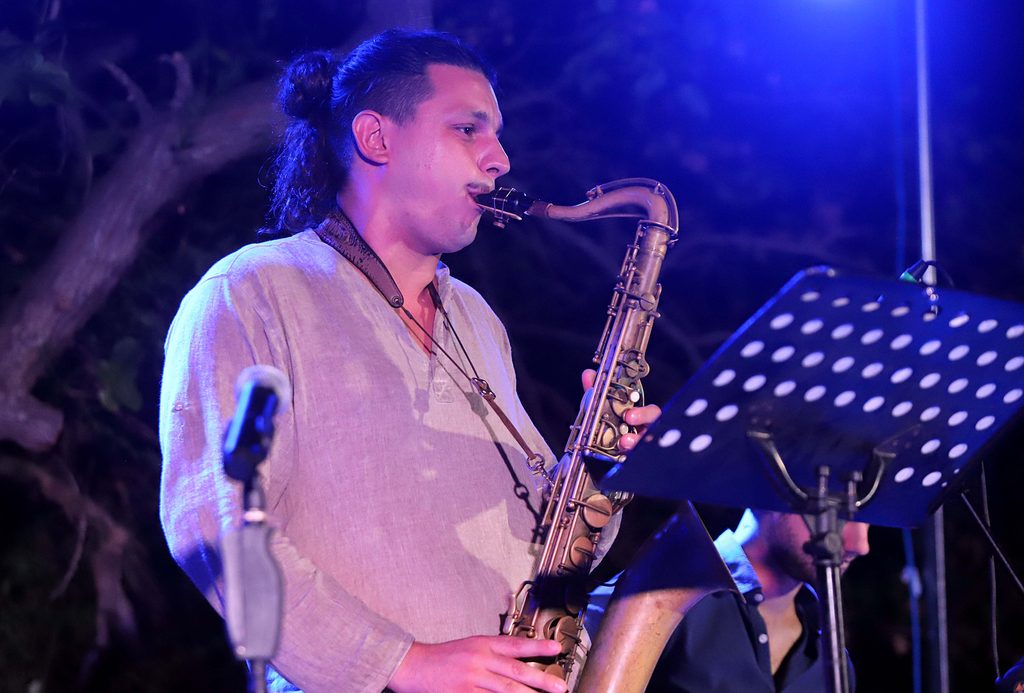
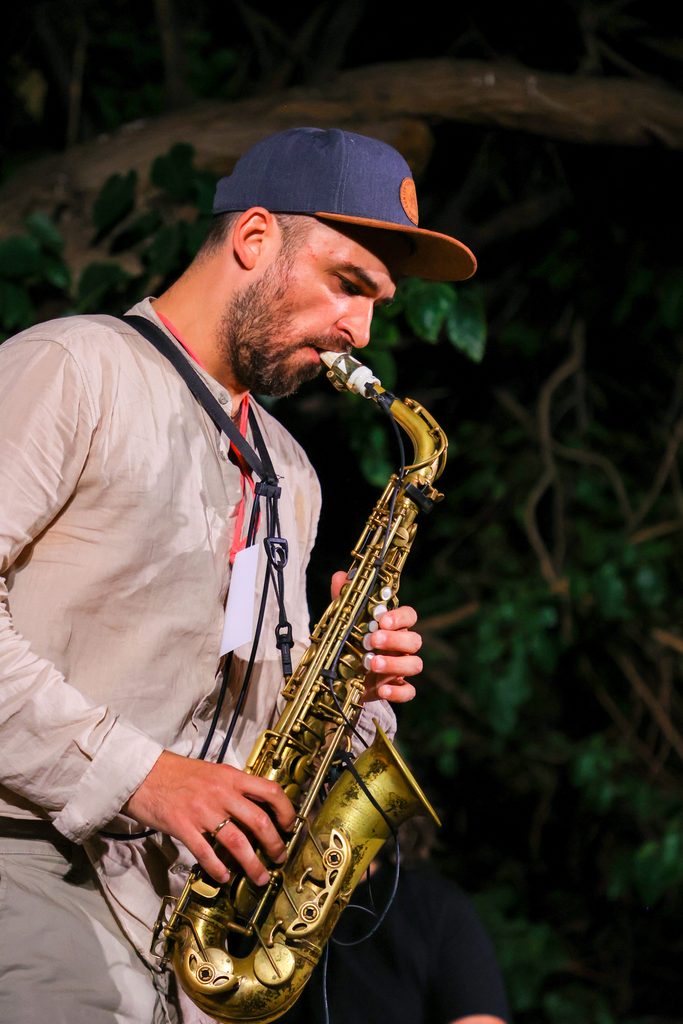
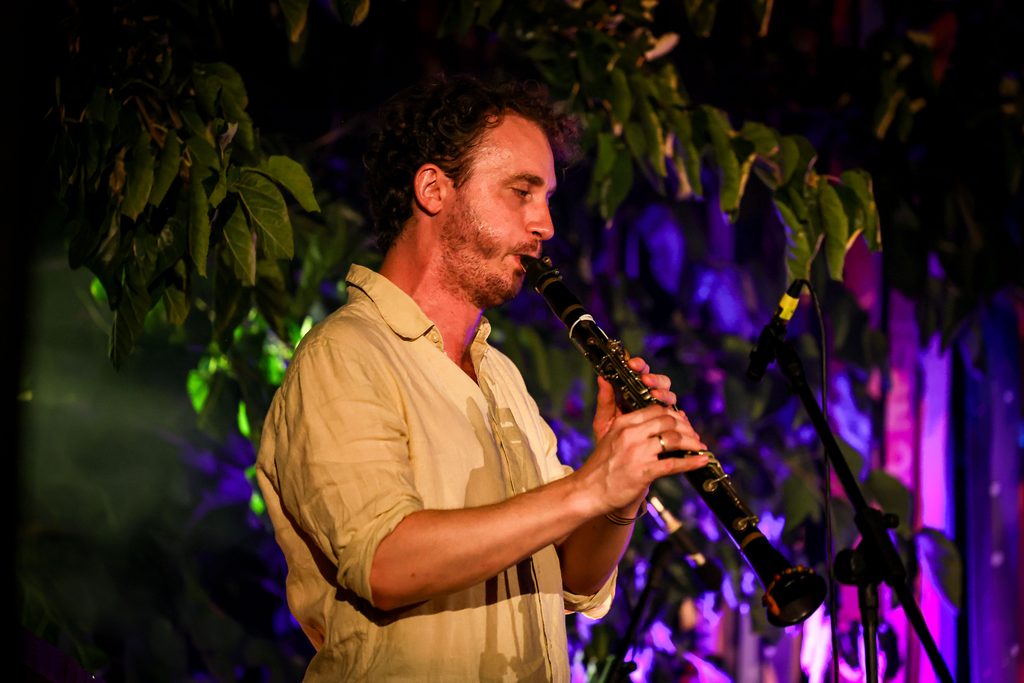
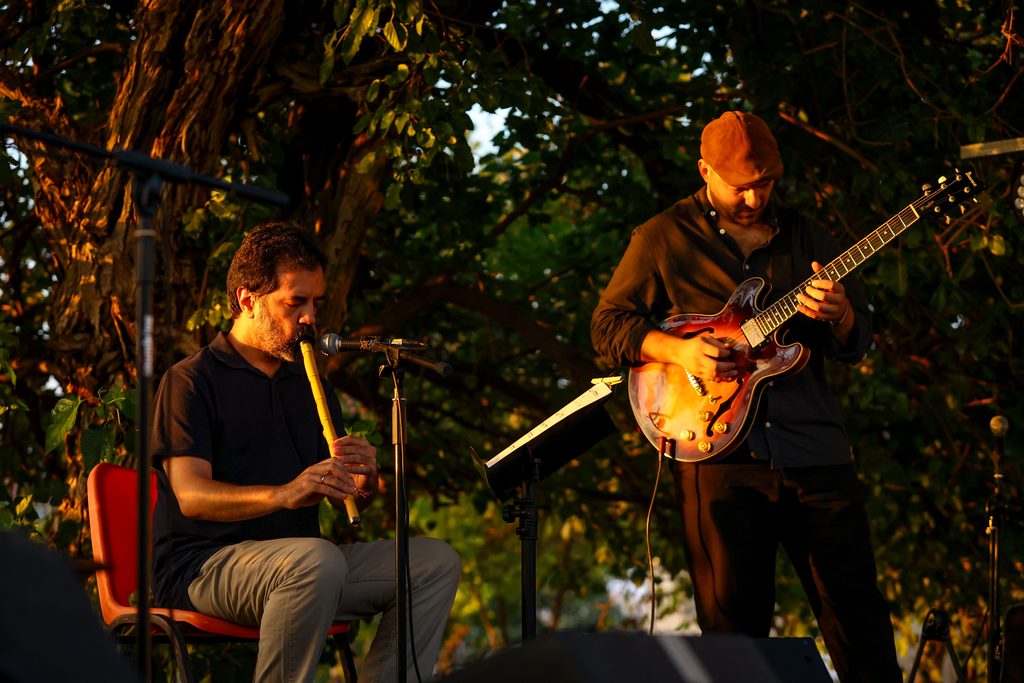
As part of the series, Harris Lambrakis joins Odysseas Toumazou on a musical journey with references to jazz and modal music, Toms Rudzinskis joins forces with Christos Yerolatsitis for a session centred on contemporary jazz, Federico Pascucci teams up with Larva (Vassilis Filippou & Alexis Kasinos) for a contemporary exploration of traditional music, whilst Andreas Polyzogopoulos meets Marios Takoushis in yet another creative jazz collaboration.
The concerts are complemented by workshops on modal music, jazz, swing and Balkan music, offering students, professionals and music lovers the opportunity to engage directly with acclaimed musicians from Cyprus and abroad.
With “Windcraft Back”, Windcraft Loud is celebrating ten years of activities, reuniting artists and collaborations that have shaped its journey and creating new opportunities for artistic development, training and international networking.
PROGRAMME
Saturday 31 October 2026, 5-7p.m., Windcraft Music Centre
Modal music workshop with Harris Lambrakis
Sunday 1 November 2026, 8p.m., Ella Music House
Concert: Harris Lambrakis & Odysseas Toumazou
Saturday 14 November 2026, 5-7p.m., Windcraft Music Centre
Jazz music workshop with Toms Rudzinskis
Sunday 15 November 2026, 8p.m., Ella Music House
Concert: Toms Rudzinskis & Christos Yerolatsitis
Saturday 21 November 2026, 5-7p.m., Windcraft Music Centre
Balkan music workshop with Federico Pascucci
Sunday 22 November 2026, 8p.m., Ella Music House
Concert: Federico Pascucci & Larva (Vassilis Filippou & Alexis Kasinos)
Saturday 28 November 2026, 3-5p.m., Windcraft Music Centre
Swing music workshop with William Scott
Sunday 29 November 2026, 8p.m., Ella Music House
Concert: Andreas Polyzogopoulos & Marios Takoushis
Concert tickets: €15 (Pre-sale at more.com. Seat reservation required.)
Workshop participation: €10 (free attendance for members of Windcraft Loud)
Information & Reservations: www.windcraftloud.com, 22-377748, [email protected]
Organised by: Windcraft Loud
Sponsored by: Deputy Ministry of Culture – Department of Contemporary Culture
Supported by: Ella Music House, Windcraft Music Centre, Railway Sessions, Warehouse Diaries
Also read: Agia Napa Motor Festival returns with three days of classic cars
For more videos and updates, check out our YouTube channel
