

Moving from UK to Cyprus changed the life of 39-year-old Orestis Kyprianou, who left behind exhausting working hours in London to give his family a better quality of life in Paphos. Today, with two children and a new career, he says he would never return to Britain.
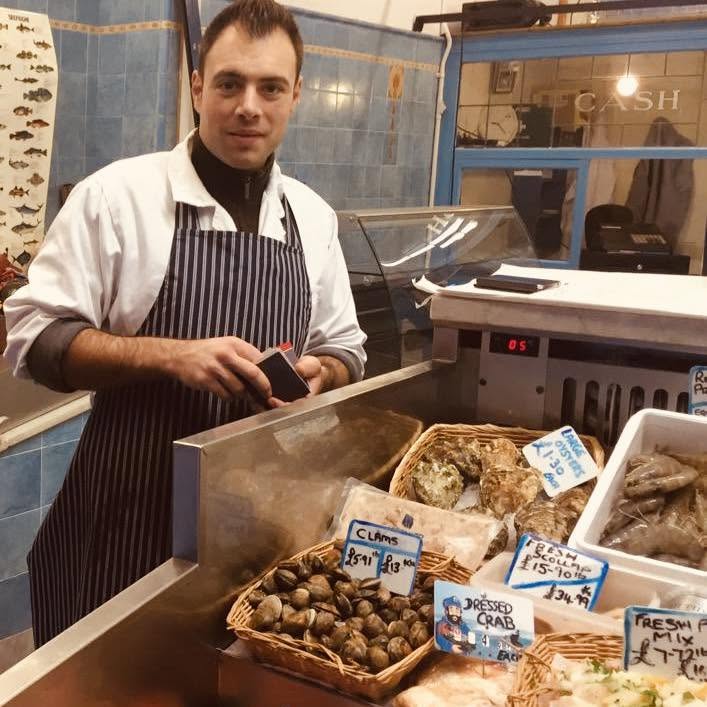
According to the Daily Mail, Kyprianou spent years waking up in the middle of the night to buy fish at London’s Billingsgate Market for his fishmonger’s shop in west London.
He would leave home shortly before 2am, return to his shop by 6am to prepare the display and often work until 7pm. Some evenings, he continued working at his father’s fish and chip shop on the same street, a local business that had been operating for more than 40 years.
His routine in Cyprus is now very different. Instead of driving through London before dawn, he takes his dogs for walks by the sea, takes his children to school and then heads to work in Paphos.
Exhausting hours prompted the move
Although Kyprianou loved his work, the long hours, traffic, stress and rising expenses gradually made him question his priorities.
“I loved my job, but the hours were far too long. Between the traffic, stress and constant expenses, I started questioning my quality of life. I was working extremely hard, but I was constantly tired and most of my money went on bills,” he said.
He also began thinking about the family he hoped to have and how much time he would be able to spend with his children.
“I also wondered about the future. If I had children, when would I actually see them? Why wait until retirement?” he said.
Both of his parents are Cypriot, and he had spent some time on the island when he was younger. Moving to Cyprus had always been an option, but the prospect of buying a home in London prompted him to reconsider it seriously.
“It made no sense to spend the next 30 or 35 years paying off a house in the UK, only to retire somewhere sunny like Cyprus. If that was where I wanted to end up, why wait?” he explained.
The decision became more pressing when renewing the lease on his shop would have required a new 20-year commitment, with rent fixed for the first five years.
Kyprianou gave his landlord a financial limit under which he would agree to stay for another five years. When the proposal was rejected, he reviewed the figures and concluded that moving to Cyprus was the better option.
It took about a year to sell the business, organise the family’s finances and prepare for the move. His wife, who had visited Cyprus with him several times on holiday, supported the decision.
Moving to Cyprus and securing residency
Kyprianou was eligible for Cypriot citizenship and a Cypriot passport because both his parents are Cypriot. His British wife, however, had to complete a separate residence permit process.
She had to provide evidence of income and sufficient financial resources, obtain health insurance for the first year and submit a clean criminal record certificate.
The couple hired a lawyer to handle the application. Kyprianou estimated that the process cost between €300 and €350 at the time.
“There was more bureaucracy for her than for me, but the process was not particularly difficult,” he said.
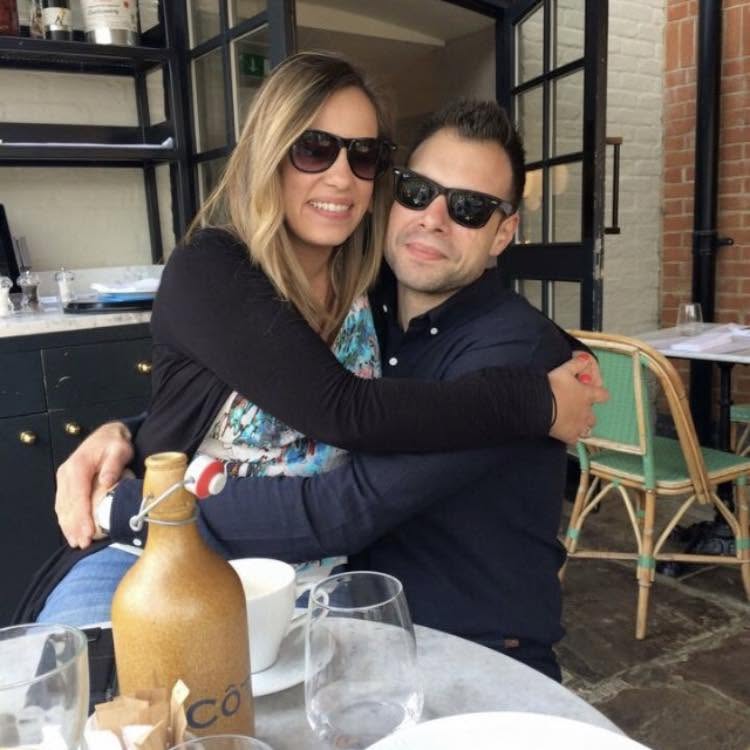
The family moved directly into their home in Paphos, where they still live. According to Kyprianou, his mortgage payment is around half the rent he previously paid for a one-bedroom flat in west London.
Housing and everyday expenses
One of the biggest differences he has noticed concerns housing costs and local charges.
He said that what he would have paid in council tax in the UK over a single month is roughly equivalent to what he pays in Cyprus for a full year.
Car insurance and road tax are also cheaper in Cyprus, although he considers car purchase prices and fuel costs broadly similar to those in Britain.
Food prices in supermarkets, he said, are comparable, but he believes the produce in Cyprus is fresher and of better quality.
He also appreciates the cost of eating out. A filling meal at a traditional restaurant serving home-cooked dishes that change daily costs around €15, he estimated.
The climate has even influenced his eating habits.
“You eat differently because of the climate. Fruit during the day, a good meal and perhaps a small snack in the evening. You don’t need much to feel full here,” he said.
There is one thing from his former routine that he still misses: a scallop and bacon sandwich on soft white bread, which he used to eat at a café in Billingsgate Market at around 4am after finishing his shopping.
“That was my usual breakfast. It is probably the only thing I really miss,” he said.
From fishmonger to property sales
After arriving in Cyprus, Kyprianou initially continued working in the fish trade before changing careers and joining Domenica Group in property sales.
He believes his years behind the fishmonger’s counter helped prepare him for the new role.
“Daily contact with people teaches you to listen and understand what someone is feeling, even when they don’t say it,” he explained.
That experience now helps him understand the concerns of people considering a move to Cyprus and the purchase of a property.
“Moving to another country and buying a house is not like buying a packet of smoked herrings. People think about their savings, their children, schools and work,” he said.
He added that his own experience allows him to speak to prospective buyers from a position of personal understanding rather than simply describing the process from the outside.
Kyprianou stressed that tax was not a factor in his decision to leave Britain.
“The tax I pay on my income may be slightly lower than in the UK, but not enough to justify moving. It was entirely about quality of life,” he said.

‘You can live like a millionaire in Cyprus’
Now a father of two, Kyprianou says the ability to spend time with his children is one of the most important changes in his life.
He can take them to school, work and meet clients without the exhausting routine that defined his days in London.
“We can walk around Kato Paphos, have an ice cream or spend the afternoon at the beach. People pay a lot of money to enjoy that experience for one or two weeks a year. Here, it is our everyday life,” he said.
“I often say that in Cyprus you can live like a millionaire without being a millionaire,” he added.
Building a social circle has also been relatively easy. He has met people through the gym, work, networking events and Facebook groups focused on hobbies, sport and life in Cyprus for foreign residents.

Interest in moving to Cyprus grows
Kyprianou’s experience comes amid wider interest among Britons in relocating to Cyprus.
According to research cited in the report from Domenica Group, Google searches for the advantages and disadvantages of living in Cyprus increased by 25% over a three-month period.
The company linked the trend to interest in warmer weather, a more relaxed pace of life and more time with family.
Kyprianou said many of the people he speaks to today remind him of his former self: people working hard in the UK who are questioning why they should wait until retirement to enjoy life.
For him, however, the decision has been made.
Asked whether he would ever consider returning to Britain, his answer was unequivocal: “No. Nothing would make me consider it. Cyprus is my home.”
Also read: Cyprus Airways announces daily flights to London
For more videos and updates, check out our YouTube channel
