

As Valentine’s Day draws near, art highlights the richness of human feeling. Love, a theme that crosses time and culture, has continually inspired artistic creation. From ancient wall paintings to contemporary street art, artists have tried to capture the nature of this layered emotion.
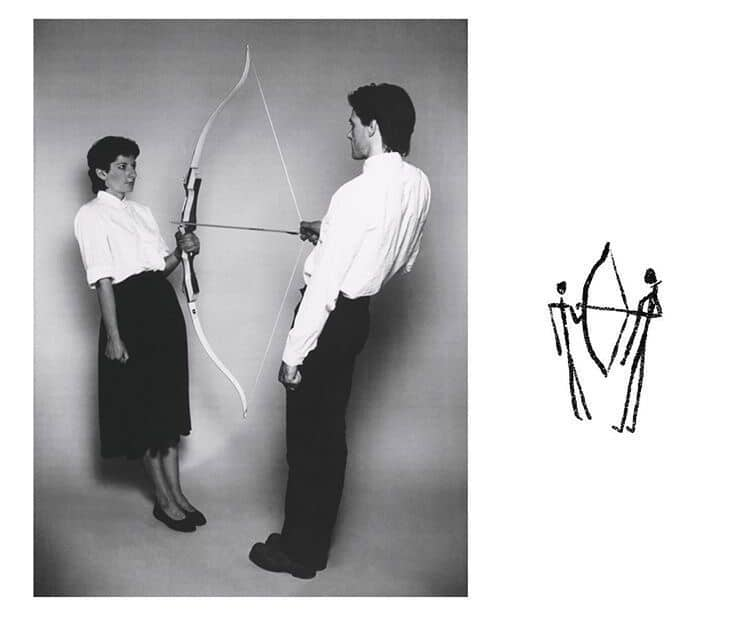
Art and love are both fundamental to human history and constantly present, yet neither can be defined in absolute terms. Art appears through countless forms such as painting, music, literature, dance, and film, each reflecting an individual vision of the world. Love, though universal, is equally complex and subjective, encompassing passion, tenderness, admiration, desire, attachment, and unconditional care.
Throughout history, art has served as a way to communicate emotion and preserve moments of intensity. It gives shape to what cannot easily be spoken and transforms deeply personal experiences into shared expression. Love, as a central force in human life, lies at the core of many artistic works, whether in poetry, visual representation, or music. Artists across centuries have attempted to portray and elevate its many dimensions.
Love does not appear in a single fixed form. It exists through a wide spectrum including romantic, familial, tragic, and universal love. Art responds to this diversity through visual, sonic, and literary techniques that translate emotional complexity into aesthetic form.
Visual arts in particular provide a powerful means of expressing love. Through painting, sculpture, drawing, and photography, artists transform feelings such as attachment, longing, and devotion into tangible images.
In antiquity, love was often depicted through mythological and divine figures. Greek and Roman art frequently celebrated Venus or Aphrodite, and Cupid or Eros, presenting love in symbolic and idealized terms. Sculptures like the Venus de Milo or Pompeian frescoes of Venus and Mars reflect this fascination with divine affection.
During the Middle Ages, the concept of love became closely linked to chivalric values and courtly ideals. Literature portrayed distant and refined affection between knights and noble women, as seen in stories such as Tristan and Isolde or the Arthurian legends. Visual culture echoed this through tapestries and illuminated manuscripts that suggested reverence and mystery.
The Renaissance shifted toward a human centred understanding of love, emphasizing harmony and beauty. Artists revisited classical mythology to express sensuality and emotional balance, as seen in Botticelli’s The Birth of Venus.
Baroque and Romantic art introduced greater emotional intensity. Passion, drama, and even suffering became central themes. The works of Rubens and Caravaggio demonstrated strong contrasts and expressive depth, while Romantic artists like Delacroix portrayed love as powerful and sometimes destructive.
Modern and avant garde movements abandoned fixed ideals, presenting love as fluid and subjective. Klimt’s The Kiss emphasized emotional intensity through stylized form, while Picasso reimagined relationships through abstraction. Contemporary art continues to explore love through themes such as diversity, identity, and digital connection. Artists like Banksy and Jeff Koons reinterpret love through modern perspectives that are often political or playful.
Different artistic media shape how love is expressed. Painting uses color and composition to evoke emotion, with tones such as red suggesting passion and blue implying calm attachment. Sculpture preserves intimacy in physical form, as in Rodin’s The Kiss. Photography captures spontaneous moments of affection, exemplified by Doisneau’s famous image of a couple kissing in Paris. Today, digital imagery and social media extend this visual celebration into everyday life.
Across time, the representation of love has evolved alongside social and cultural change. Mythological symbolism, Renaissance harmony, Romantic tragedy, and modern abstraction each reveal shifting understandings of emotional connection.
Art also reflects different kinds of love. Romantic passion appears frequently in literature and painting, while familial and friendship bonds are shown through gestures of care and protection, such as depictions of Madonna and Child or documentary photography of parents and children. Spiritual and universal love emerges in religious art and socially engaged contemporary works that emphasize compassion and solidarity.
Love in art is not always joyful. Many works explore absence, separation, and heartbreak. Paintings like Magritte’s The Lovers or literary narratives such as Anna Karenina reveal the tension between desire and impossibility.
Ultimately, art remains a universal language through which love is expressed and shared. On occasions like Valentine’s Day, it reminds us that love continues to inspire creativity and connection, transforming personal emotion into something enduring and collective.
Source: Jean Dubreil- Art Majeur Magazine
Also Read: From folklore to films: The power of Friday the 13th
