

For 52 years, dawn on 20 July has been marked by the sound of sirens across Cyprus.
On the morning of 20 July 1974, however, many people woke to the sound of aircraft overhead.
Just five days after a coup against President Archbishop Makarios III plunged the Republic into crisis, Turkish aircraft crossed into Cypriot airspace shortly after dawn. Within hours, troops were landing on the northern coast near Kyrenia, paratroopers were descending around Nicosia, and thousands of families found themselves caught in a conflict that would change the island forever.
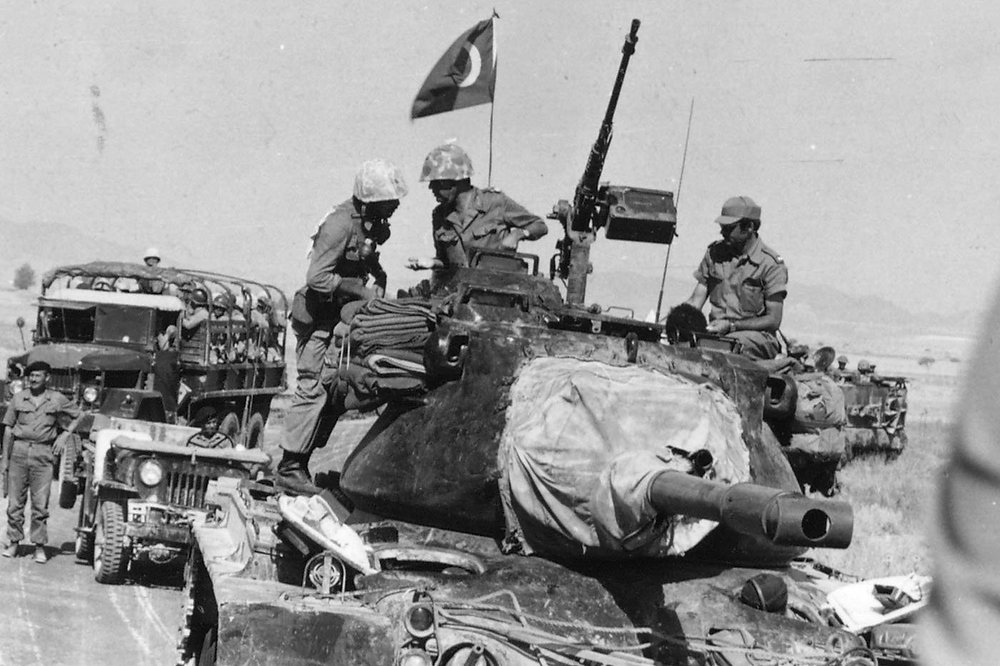
The events of that summer divided Cyprus, displaced hundreds of thousands of people, and left thousands dead or missing. More than half a century later, the consequences continue to shape the island’s politics, society and the lives of the people who lived through those days.
The invasion begins
The Turkish military operation began in the early hours of Sunday, 20 July 1974.
Shortly after dawn, Turkish warplanes carried out air strikes against military positions, while naval forces approached the northern coastline. The main amphibious landing took place near Pentemili, west of Kyrenia, as thousands of Turkish troops came ashore.
At the same time, transport aircraft dropped paratroopers north of Nicosia, opening a second front aimed at securing a corridor between the capital and the coast.
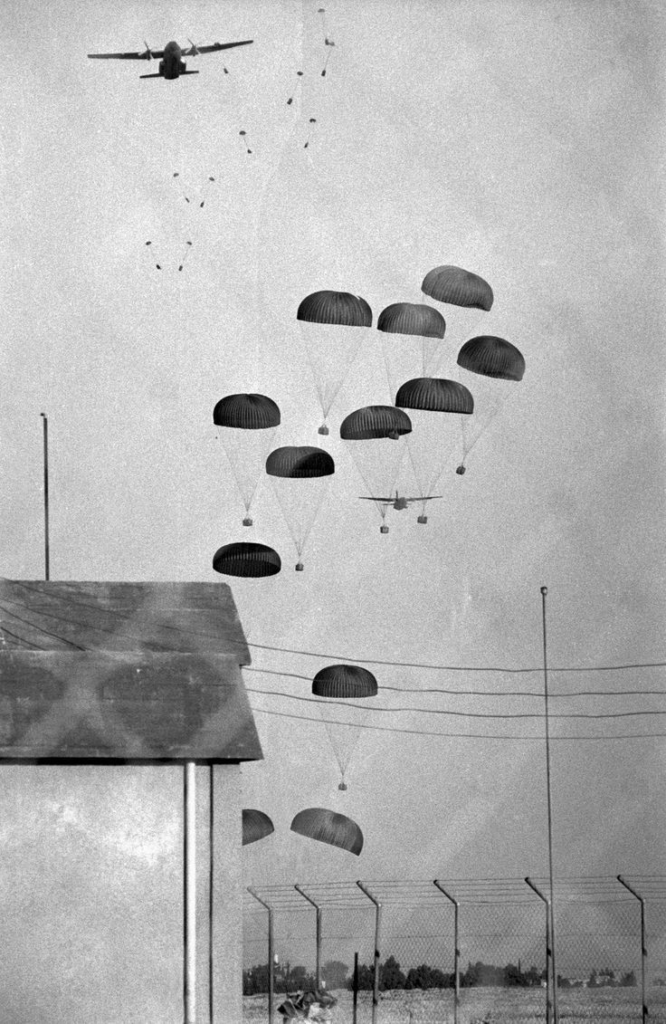
Cyprus was already in turmoil. The coup of 15 July, organised by officers loyal to Greece’s military junta, had overthrown President Makarios and installed Nikos Sampson as president, with the aim of forcing Enosis- union with Greece. Makarios had escaped the Presidential Palace and appealed to the international community, while diplomatic efforts involving the guarantor powers failed to prevent military intervention. Makarios, speaking to the UN on July 19th, described the coup as a Greek invasion of the island.
Turkey said it was acting under the 1960 Treaty of Guarantee, arguing that the coup had destroyed Cyprus’ constitutional order, and that Article IV entitled it to act after joint action with the other guarantor powers proved impossible. On 20 July 1974, Turkish forces invaded Cyprus. The so-called ‘intervention’ quickly developed into a large-scale military campaign, whose consequences extended far beyond the restoration of constitutional government.
The guarantor powers
Under the 1960 Treaty of Guarantee, Britain, Greece and Turkey had agreed to safeguard the independence, territorial integrity and constitutional order of the Republic of Cyprus.
Following the coup, Turkish Prime Minister Bülent Ecevit travelled to London to discuss a possible joint response with the British government. Britain declined to participate in military action, favouring diplomacy instead. Turkey subsequently launched its invasion alone.
Ankara maintained that Article IV of the Treaty of Guarantee provided a legal basis for its actions after consultation between the guarantor powers failed. Critics, however, argue that neither the invasion nor the continued occupation of part of Cyprus was authorised by the treaty, making its interpretation one of the most contested legal issues arising from the events of 1974.
A day of confusion
For many people, the first hours of the invasion were marked not by clear information, but by uncertainty.
Telephone lines were unreliable. Radio broadcasts were often contradictory. Rumours spread quickly, while mobilisation orders reached some areas before any official explanation of what was happening.
Members of the Cyprus National Guard, reservists, police officers, and volunteers were called into action as fighting spread. Greek forces stationed on the island also joined the defence.
Across towns and villages, civilians faced impossible decisions.
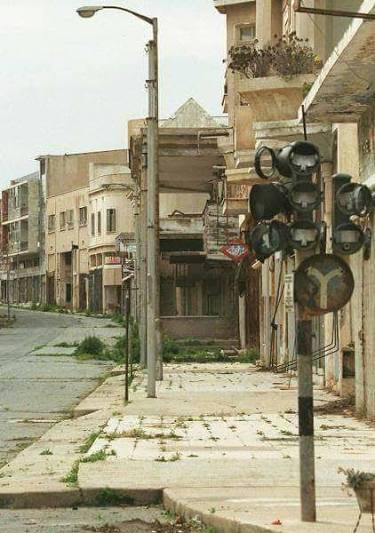
Some stayed, believing the fighting would soon end. Others packed only what they could carry and headed south. Many expected to return home within days.
Few imagined they were leaving for the last time.
The battle for the north
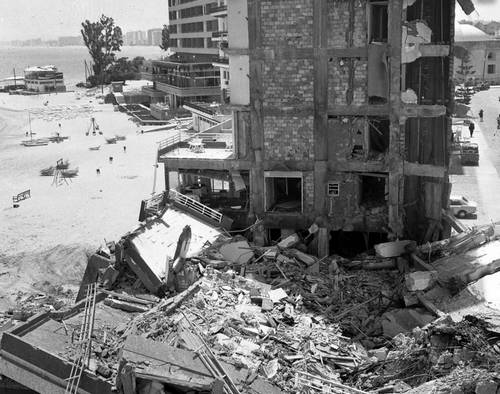
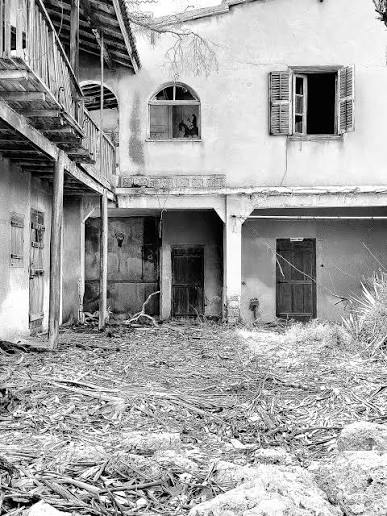
Fighting intensified around Kyrenia, Nicosia, and the surrounding areas throughout 20 July.
Turkish forces succeeded in establishing a beachhead near Kyrenia despite fierce resistance from Cypriot and Greek defenders. Heavy fighting continued around the capital, while United Nations peacekeepers attempted to maintain ceasefire lines and protect civilians wherever possible.
The invasion triggered an international diplomatic crisis.
The United Nations Security Council called for an immediate ceasefire and urged respect for the sovereignty, independence, and territorial integrity of Cyprus. Despite repeated efforts to halt the fighting, hostilities continued.
A ceasefire eventually came into effect, but it did not bring peace.
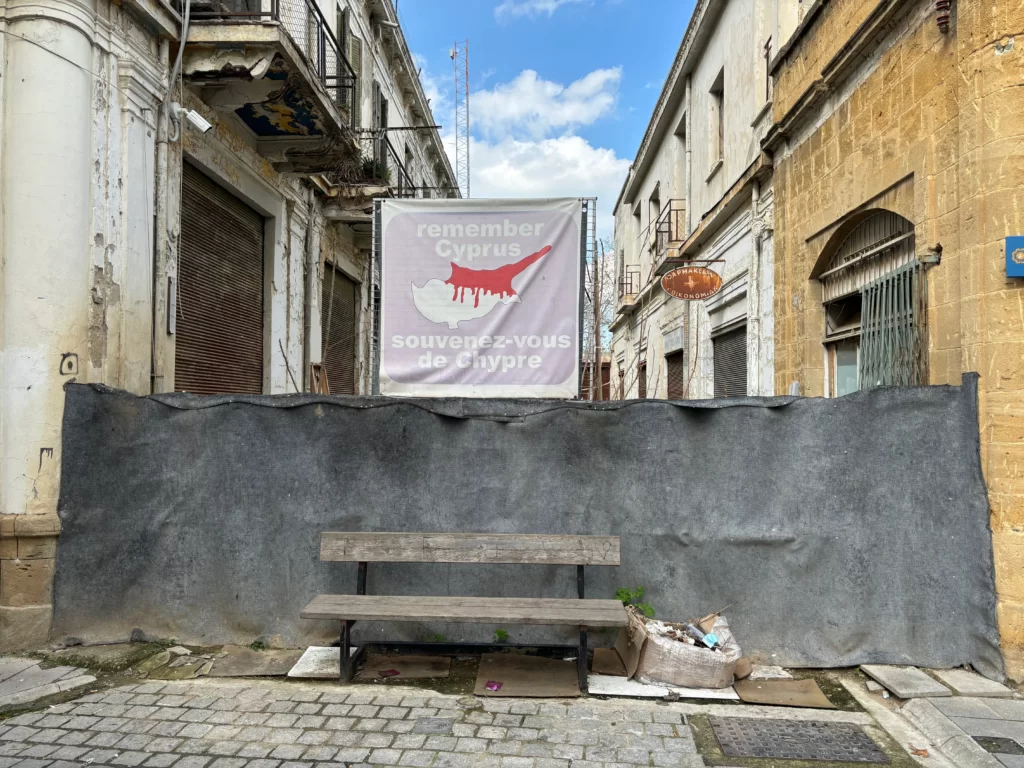
Negotiations held in Geneva failed to produce a political settlement. Less than a month later, on 14 August, Turkey launched a second offensive, expanding the territory under its control to around 37% of the island.
The ceasefire line established after the fighting became what is now known as the Green Line, dividing Cyprus to this day.
Lives interrupted
Military operations tell only part of the story.
For ordinary families, 20 July 1974 was not experienced through maps, diplomatic cables, or military communiqués. It was experienced through hurried decisions made in kitchens, courtyards, and village streets.
People locked front doors believing they would unlock them again a few days later.
Some hid money or jewellery in gardens, wells, or barns, expecting to return once the fighting had passed. Farmers left animals behind with food and water, hoping neighbours might look after them until they came home.
Children left toys where they had been dropped.
Many families carried only a small suitcase, because they believed they were leaving temporarily.
Instead, days became months, months became years, and years became generations.
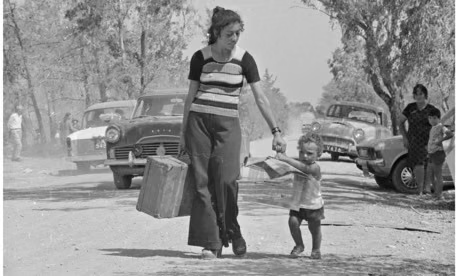
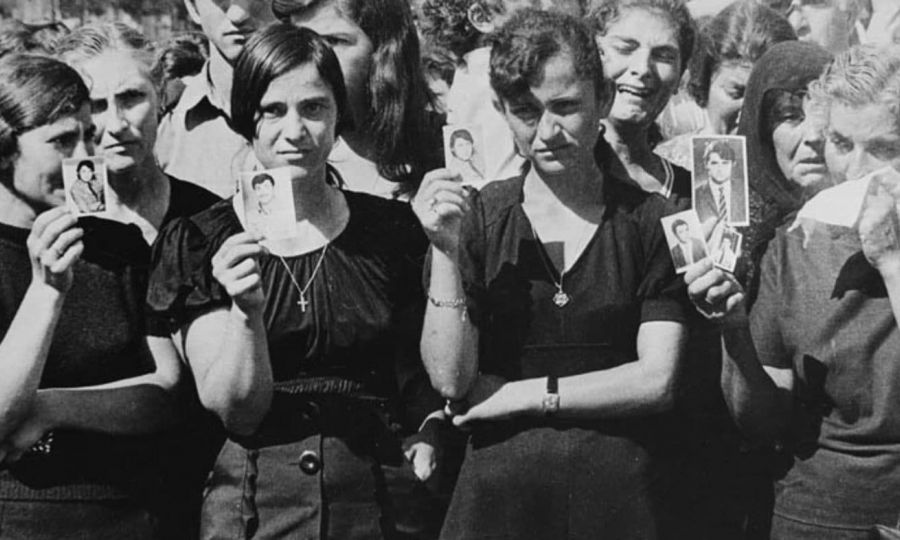
Around 165,000 Greek Cypriots were displaced from their homes, while tens of thousands of Turkish Cypriots also experienced displacement during the conflict and its aftermath. Thousands of people were killed or wounded, while the fate of many missing persons remains unknown. Some were captured and never returned. Others were executed or died in circumstances that remained unknown to their families for decades.
In the years that followed, the work of the Committee on Missing Persons led to the discovery and identification of many victims through forensic investigations. Yet many families are still waiting for answers, and hundreds of people remain officially missing.
For those who lived through the summer of 1974, the memories are often intensely personal.
Some remember the sound of aircraft.
Others remember long journeys on crowded roads, sleeping in schools or church halls, or waiting for news of relatives, some of whom never returned.
Many remember not understanding why they had to leave at all.
A memory carried across generations
Today, the children who fled their homes in the summer of 1974 are becoming grandparents.
Many have spent a lifetime telling their children and grandchildren about villages they believed they would return to within days, homes whose doors they expected to unlock again, and neighbours they never saw after the fighting.
For younger generations, those places often exist first through family stories before they are found on a map.
Every family remembers something different.
For some, it is the key to a house that still hangs by the front door.
For others, it is a photograph, a field, a church, a school, or the name of a village they have never stopped calling home.
Each year, when the sirens sound at dawn on 20 July, they mark more than the beginning of a military invasion.
They mark the morning thousands of ordinary lives were interrupted, and a history that continues to be remembered.
Fifty-two years later, thousands of people are still waiting to go back home.
Also read: Sirens at 08:20: The road to the 15 July 1974 coup
For more videos and updates, check out our YouTube channel
