

Eighty-three years ago today, 14 January 1943, President Franklin D. Roosevelt became the first sitting US president to fly overseas.
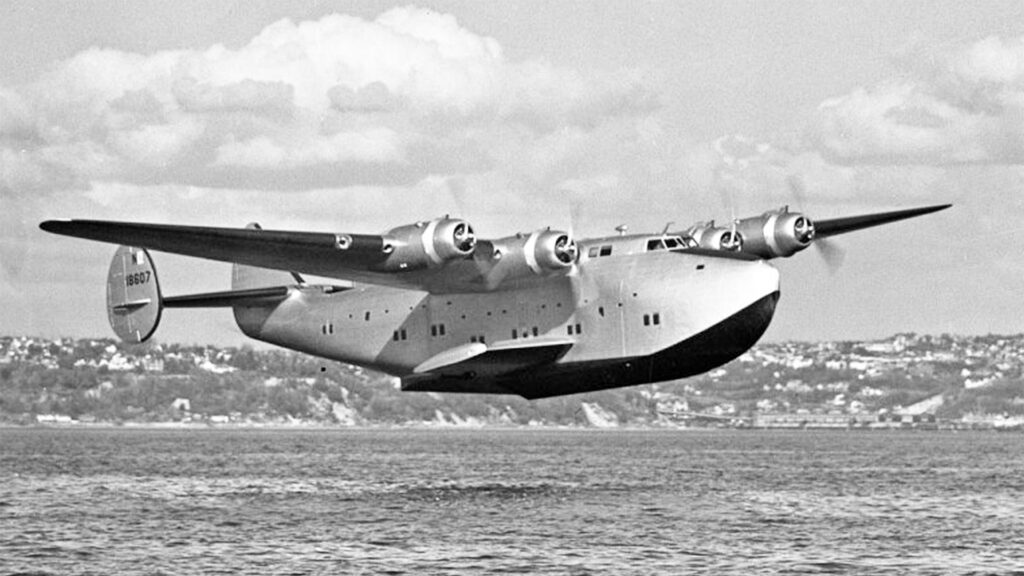
Departing Miami, Florida aboard the fortified Pan American Boeing 314 Clipper named Dixie Clipper, Roosevelt completed a secret overseas 5,500-mile journey to Casablanca, Morocco to meet British Prime Minister Winston Churchill during World War II.
The unprecedented 49-hour flight included stops in Trinidad, Brazil, Gambia and Morocco, deliberately avoiding Atlantic U-boat threats via the South Atlantic route under heavy military escort.
Paralyzed from polio and wheelchair-bound, Roosevelt embraced aviation despite personal health risks, concealing frailty from public view.
Casablanca conference outcomes
Roosevelt and Churchill convened at Casablanca’s opulent Anfa Hotel from 14-24 January 1943, later joined by Free French leaders Charles de Gaulle and Henri Giraud.
The Allies established Germany’s “unconditional surrender” as war aim, committed to Sicily invasion post-North Africa campaign, and accelerated D-Day Normandy planning.
These strategic decisions shifted momentum against Nazi Germany across Europe and North Africa, galvanizing Western Allied coordination against Axis powers.
Breaking presidential tradition
Previous presidents relied on ocean liners or trains for international travel, viewing aircraft too dangerous during wartime.
Roosevelt’s bold aviation precedent symbolised America’s emerging global leadership. Physician Vice Admiral Ross McIntire monitored his condition amid altitude concerns during the secretive odyssey.
Legacy of air diplomacy
The Dixie Clipper flying boat demonstrated wartime aviation innovation enabling transoceanic presidential travel.
Roosevelt’s milestone established modern norms: every subsequent president flew abroad, from Truman’s 1945 Potsdam trip to contemporary Air Force One operations.
As global conflicts persist, Roosevelt’s daring 1943 journey underscores crisis leadership demands through innovative statecraft.
Also read: ON THIS DAY: Ford patented the plastic car (1942)
Subscribe to our Youtube channel for the latest updates.
