

On 5 December 2013 the world lost Nelson Rolihlahla Mandela. The anti-apartheid leader died peacefully at his Johannesburg home, aged 95, after months of recurring lung infections.
President Jacob Zuma announced the news that evening: “Our nation has lost its greatest son. Our people have lost a father.”
From prisoner to president
Mandela was born on 18 July 1918 in Mvezo village. He qualified as a lawyer and joined the African National Congress (ANC) in the 1940s. He co-founded the ANC Youth League and later led its armed wing, Umkhonto we Sizwe.
In 1964 the Rivonia Trial sent him to prison for life. He served 27 years – 18 of them on Robben Island – and became the world’s most famous political prisoner.
International pressure and negotiations with President F.W. de Klerk secured his release on 11 February 1990. Four years later, on 27 April 1994, Mandela cast his first vote and won election as South Africa’s first black president.
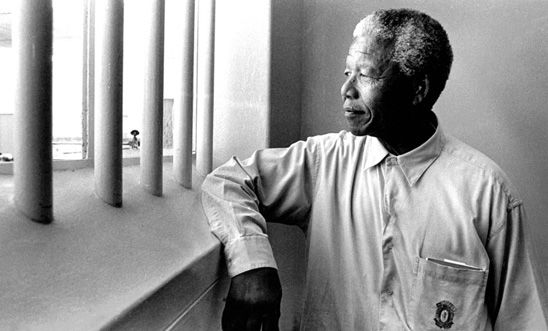
Reconciliation and nation-building
From 1994 to 1999 President Mandela chose reconciliation over revenge. He created the Truth and Reconciliation Commission and championed the “Rainbow Nation”.
His government delivered free healthcare for children and pregnant women, built houses, extended electricity and wrote a new democratic constitution.
In 1993 he shared the Nobel Peace Prize with F.W. de Klerk.
Global legacy
After leaving office, Mandela fought HIV/AIDS through the 46664 campaign and the Nelson Mandela Foundation.
Leaders worldwide hailed him as a moral giant. UN Secretary-General Ban Ki-moon called him “a giant for justice” and “a global icon for reconciliation”.
Twelve years after his death, Mandela’s example of forgiveness, equality and dignity still inspires justice movements everywhere.
Also read: ON THIS DAY: Ivan the Terrible proclaimed grand prince of Moscow (1533)
For more videos and updates, check out our YouTube channel.
