

The Nicosia International Festival, entering its sixth edition, proudly presents its new visual identity! This fresh direction is the result of a design competition, won by the inspired collaboration between DpS Athens and Semiotik Design Athens.
This new identity wasn’t built from scratch; instead, it evolves from the existing logo of Nicosia2030, breathing new life and renewed energy into it. It’s a creative repositioning that reinforces the message of sustainability: a symbol originally designed with a limited timeframe now gains long-term momentum. Nicosia becomes the starting point for radial paths of dialogue, collaboration, and co-creation – extending from the local to the global.
The new logo is rich in symbolism. Its structure draws inspiration from the city’s unique morphology, deep-rooted history, and distinct character. The name Nicosia («Λευκωσία» in Greek) takes center stage, while the final logo reflects a dynamic interplay between light and the enduring cultural heritage of the Cypriot capital. The letter “Λ” (Greek “L”) serves as a key visual unit: its radial repetition – like rays of light and creativity – forms a bold and cohesive visual identity that highlights the power of the individual as a vital part of the collective.
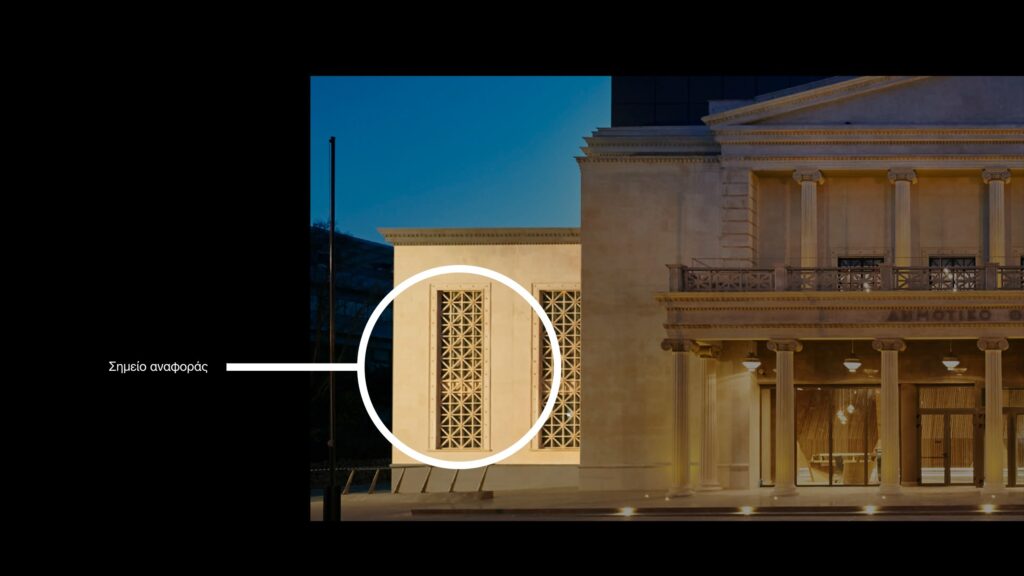
But the inspiration doesn’t end there. The logo also “embraces” the iconic Venetian walls of Nicosia, underscoring the city’s role as a crossroads of cultures. These walls, the heart of the city, are reimagined as visual rays radiating energy, culture, and vitality, drawing from the diversity of people and cultures that have passed through – and continue to coexist – on the island. Their forms also echo architectural features of Nicosia’s historic Municipal Theatre building.
Finally, the logo’s new color palette is derived from the Municipality of Nicosia’s primary colors – blue and yellow – blended into a modern, vivid lime shade. This vibrant green-yellow hue marks the beginning of a bold, new era for the Festival.
Biographies of the design team
DpS Athens is an international award-winning branding and design practice headed by Dimitris Papazoglou. Their multidisciplinary team consists of visionary designers, branding strategists and talented creatives. They develop content-driven, contemporary design solutions that balance the desire to connect on an emotional level with the omnipresent need for direct, strategic, and effective communication. Their client portfolio includes Athens and Epidaurus Festival, Drama International Short Film Festival, Macedonian Museum of Contemporary Art, Museum of Cycladic Art / Athens and National Library of Greece.
Semiotik was founded in 2014 by Dimitris Koliadimas, who was previously co-founder and creative director of Designers United. Since 2005, together with his team they have collaborated with exceptional individuals, great organizations, start-ups and multinational brands around the world, providing a wide range of design and consulting services, performing in complex environments and achieving remarkable results. Their work has been awarded numerous national and international distinctions, including D&AD, European Design Awards (ED), Red Dot Design Awards, Dieline, Pentawards, Type Directors Club (TDC) and Art Directors Club (ADCE Awards). Their client portfolio includes ΕΜΣΤ Ɩ National Museum of Contemporary Art Athens, Thessaloniki Concert Hall, Thessaloniki Film Festival, Dimitria Festival (Thessaloniki).
Source: Nicosia International Festival
Also read: Cyprus’s hottest dining spots just opened summer 2025
For more videos and updates, check out our YouTube channel.