

Bulgaria rang in the New Year on Thursday by becoming the 21st country to adopt the euro, ditching the lev – meaning “lion,” a centuries-old symbol – nearly 20 years after EU entry. At midnight, Bulgarian euro coins illuminated the central bank’s Sofia building as thousands braved sub-zero cold to celebrate. ECB President Christine Lagarde warmly welcomed Bulgaria to the “euro family,” hailing it as a “powerful symbol of shared values and collective strength.” A 43-year-old Dimitar exclaimed “Great! It works!” after withdrawing €100 from an ATM post-midnight.
Successive governments in the 6.4 million-population nation advocated the switch to boost the EU’s poorest member’s economy, strengthen Western ties, and shield against Russian influence.
Public divide and political tensions
President Rumen Radev broadcast a speech before midnight, praising it as Bulgaria’s “final step” in EU integration but regretting no public referendum, “a dramatic symptom of the deep divide between the political class and the people,” echoed in mass anti-corruption protests that ousted the conservative government mid-December. The country now faces its eighth election in five years amid inflation anxiety.
At Sofia markets, prices for groceries and New Year’s items like sparklers listed in both levs (tied to French franc since 18th century) and euros. Retiree Vlad said confidently, “The whole of Europe has managed with the euro, we’ll manage too.” Yet Eurobarometer shows 49% opposition. Outgoing PM Rosen Zhelyazkov urged tolerance, insisting inflation unrelated to euro.
Inflation fears and economic hopes
November food prices rose 5% year-on-year, double eurozone average per National Statistical Institute. Pastry shop owner Turgut Ismail, 33, lamented, “Prices no longer correspond to those in levs,” with surges already starting. A 2025 euro protest by far-right nationalists tapped price hike fears; businesses struggled for euro starter kits.
Economist Stephane, 64, protested: “It’s not the right time… Italy, Spain, Germany’s enormous debt; we’ll carry it.” Analyst Petar Ganev of Institute for Market Economics stressed long-term benefits: investor confidence, purchasing power stability, debt buyers’ trust, and credit rating uplift by scrapping currency board.
European Commission President Ursula von der Leyen deemed it an “important milestone” easing travel, living abroad, market transparency, competitiveness, and trade. Central Bank Governor Dimitar Radev called euro more than currency; “a sign of belonging.”
Bulgarian designs on new coins
Coins retain lev motifs: Madara Rider (UNESCO-listed 8th-century rock relief of knight vs. lion near Madara village) on 1-50 cents; €1 shows patron saint Ivan (John) of Rila, 9th-10th century hermit and Rila Monastery founder who lived in a tree hollow; €2 depicts 18th-century monk Paisius of Hilandar, national revival figure, edged “God protect Bulgaria.”
The euro launched in 12 countries January 1, 2002; Croatia joined latest in 2023. Bulgaria lifts euro users over 350 million.
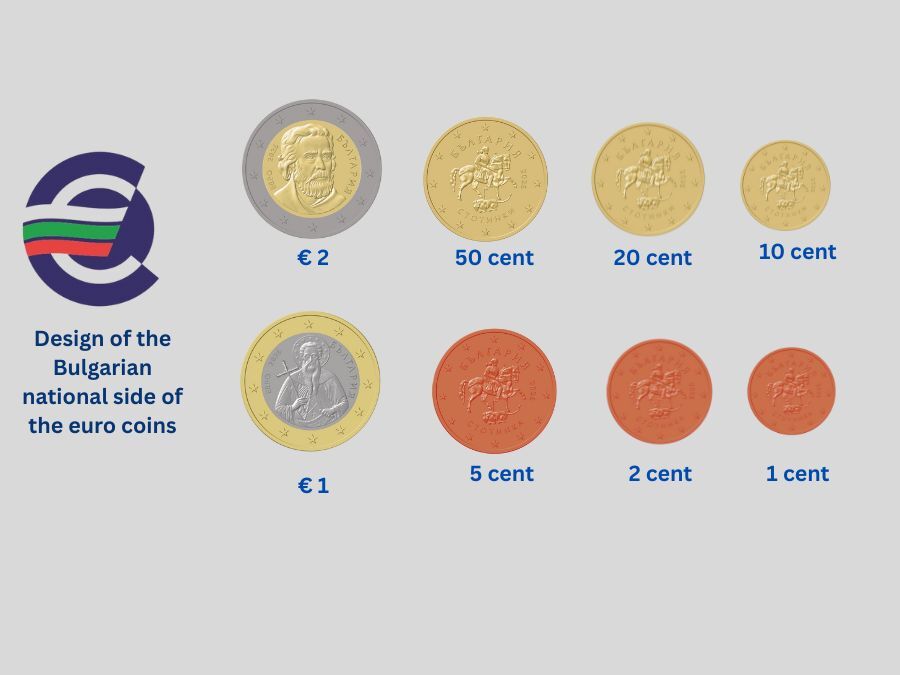
Source: Euronews
Also read: What we know about the New Year’s fire in Crans-Montana
For more videos and updates, check out our YouTube channel.
