

Mattel unveiled its first autistic Barbie on Monday, expanding Fashionistas range six months after type 1 diabetes doll debut. Developed with US Autistic Self Advocacy Network, the doll represents autism experiences affecting over 1-in-100 children worldwide per WHO data.
Key features reflect autistic traits: eyes gaze slightly aside (avoiding direct eye contact), fully bendable elbows/wrists enabling stimming/hand-flapping, pink fidget spinner, noise-cancelling headphones, purple tablet with symbol-based augmentative communication buttons.
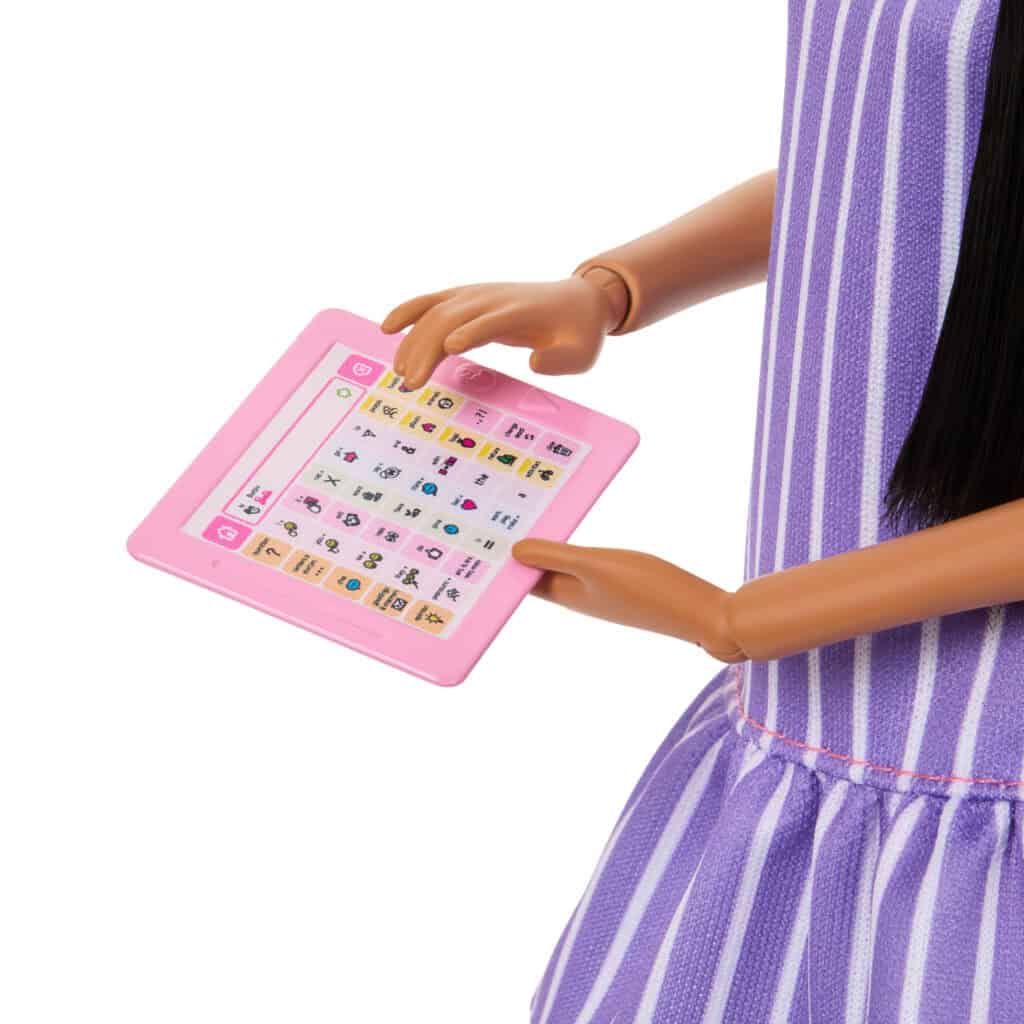
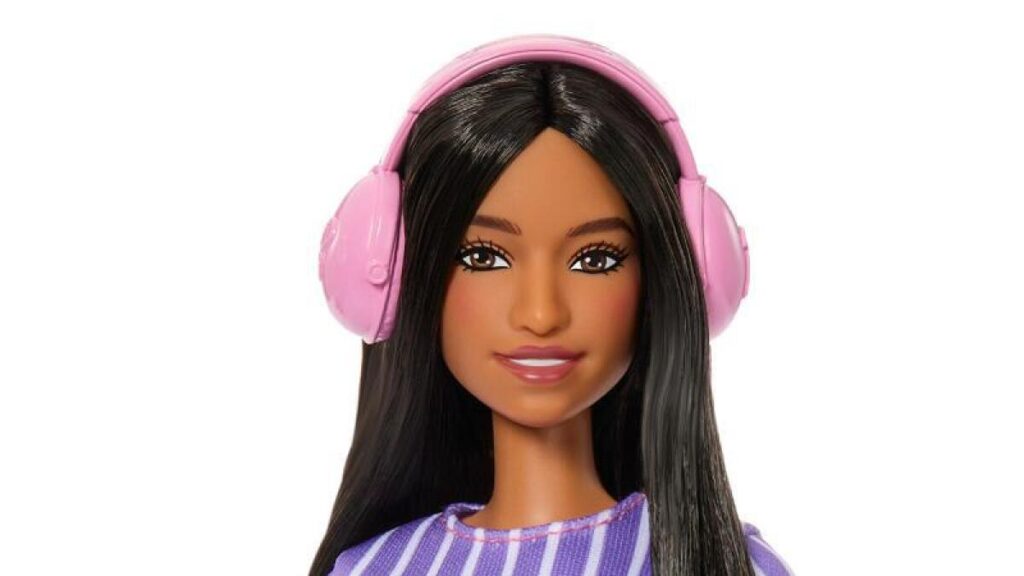
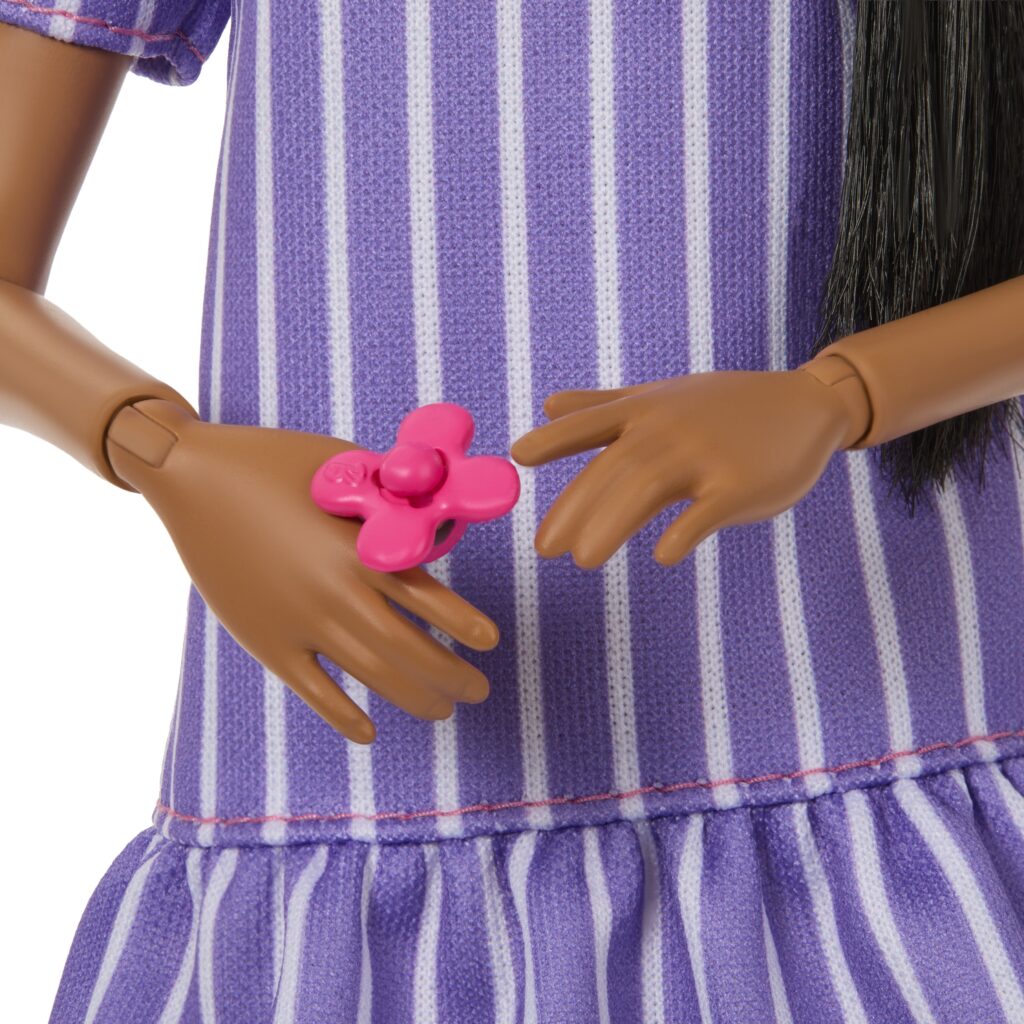
Sensory-friendly fashion details
Barbie wears loose-fitting purple pinstripe A-line dress (short sleeves, flowy skirt minimising skin contact) and flat-soled purple shoes promoting stability/movement ease, reducing sensory overload triggers.
Rapid disability representation growth
From 1959 origins to 2019’s first disability dolls, Barbie lineup now includes blind dolls, wheelchairs, Down syndrome, prosthetic limbs, vitiligo, hearing aids, plus Ken dolls with prosthetic leg, wheelchair ramp, hearing aids.
Global dolls head Jamie Cygielman stated autistic Barbie continues company’s representation commitment: “Every child deserves to see themselves in Barbie.” Community engagement ensured authentic spectrum portrayal beyond visible traits.
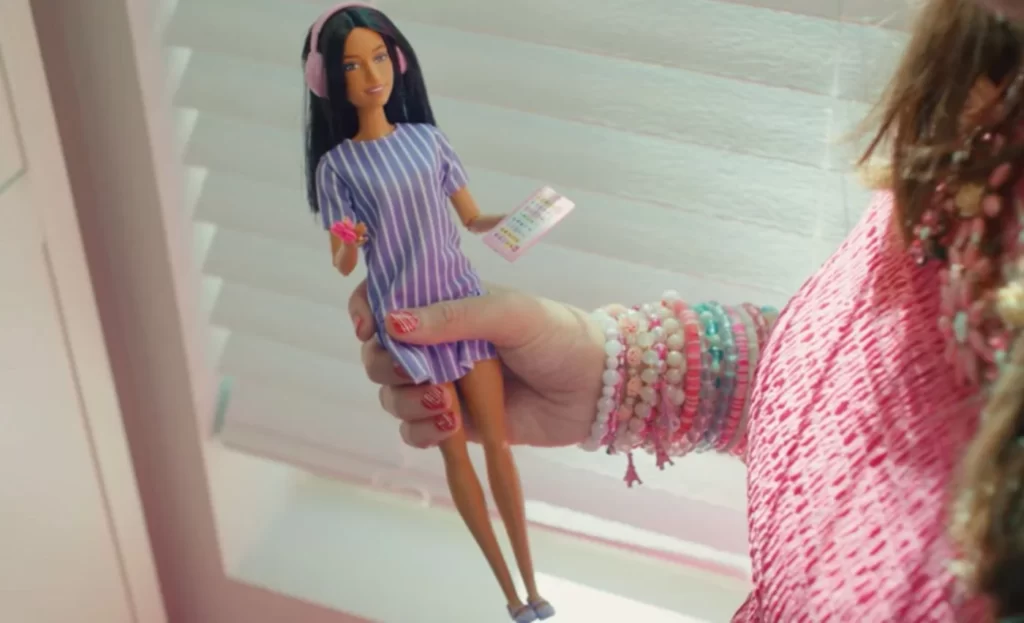
Autism leaders praise impact
Ambitious about Autism CEO Jolanta Lasota welcomed iconic representation normalising ear defenders/stim toys, highlighting autistic girls (3x underdiagnosed vs boys).
Author Ellie Middleton hopes doll challenges misconceptions enabling earlier recognition.
Lottie dolls and Lego minifigures also feature autism/non-visible disabilities.
Source: The Guardian
Also read: Golden Globes 2026: The full list of winners
Subscribe to our Youtube channel for the latest updates.
