

Second week of war brings regional escalation
The second week of the war between the United States, Israel, and Iran saw the conflict expand across the Middle East and increasingly disrupt global trade and energy markets. Below, you can find a timeline of the second week of the Iran war.
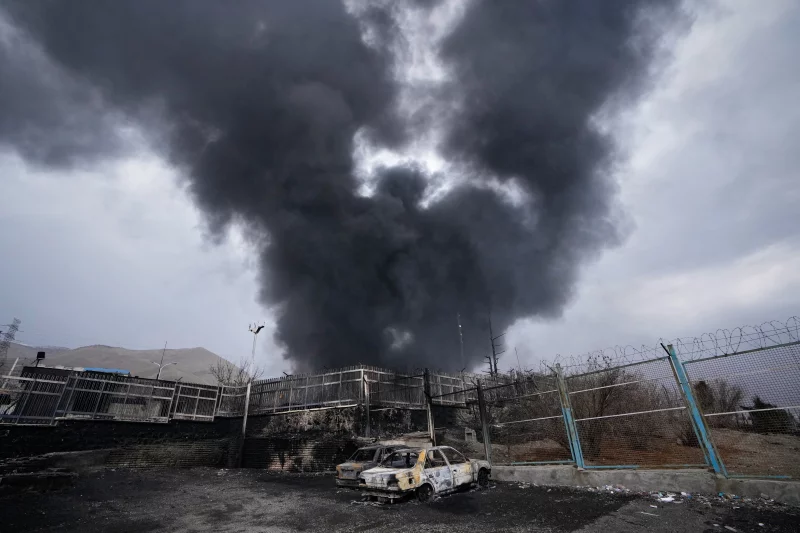
Between March 7 and March 13, heavy bombardment struck Iranian cities, missile attacks spread across Gulf states and maritime incidents in the Strait of Hormuz severely disrupted international shipping.
As the war enters its third week, analysts warn that the conflict is no longer limited to direct military exchanges, but is beginning to reshape global trade routes and energy supply chains.
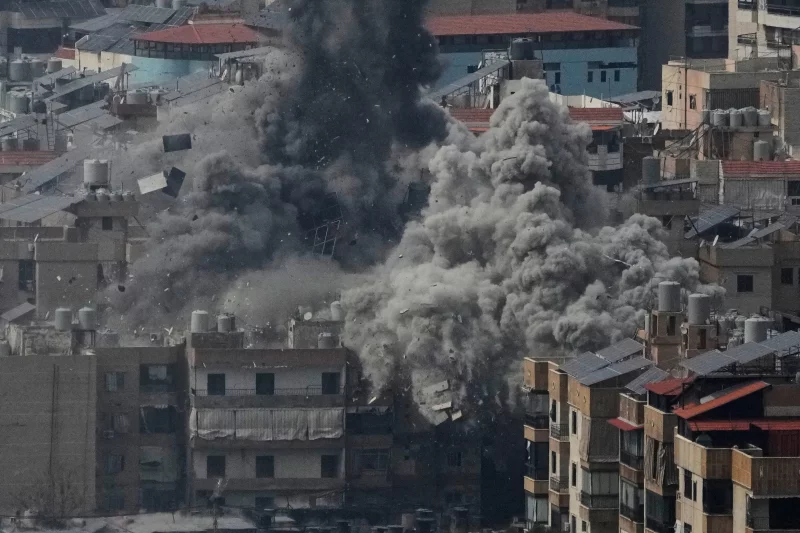
Day 8: Heavy bombardment and regional attacks
One week after the start of the conflict, intense airstrikes hit Tehran while Iranian missiles targeted Israel and several Gulf states.
Saudi Arabia, Qatar, and the United Arab Emirates reported intercepting drones and missiles during the attacks.
Western countries also began reinforcing military assets in the region as casualties rose sharply. Reports indicated that more than 1,300 people had already been killed in US–Israeli strikes in Iran as heavy bombing continued.
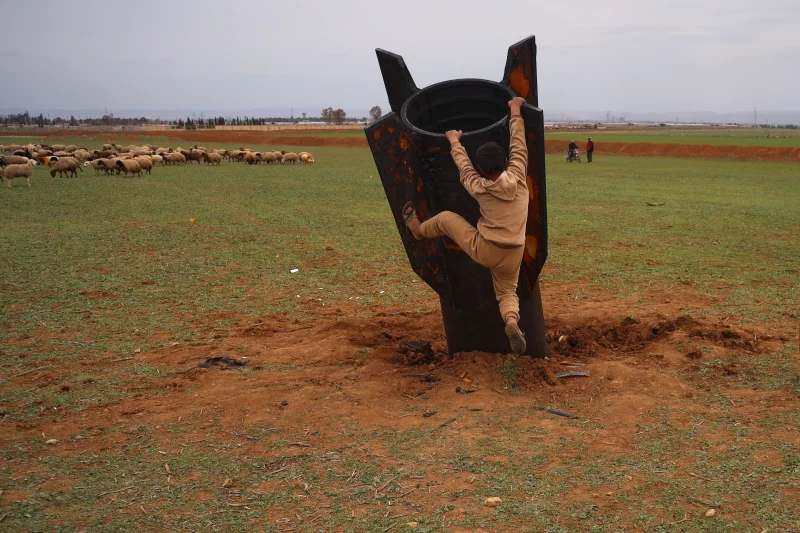
Day 9: Attacks spread across Gulf states
The following day saw the conflict expand further across the region.
Missile and drone strikes were reported across Saudi Arabia, Bahrain, Kuwait, and Iraq. A missile struck inside the United States embassy complex in Baghdad, though no casualties were reported.
Israeli forces also targeted fuel storage facilities in Tehran, setting off large fires in the capital.
Saudi Arabia reported intercepting a drone targeting the Shaybah oil field and warned Iran it would be the “biggest loser” if attacks continued.
At the same time, the United States began withdrawing non-essential diplomatic staff and families from several Gulf countries as security risks increased.
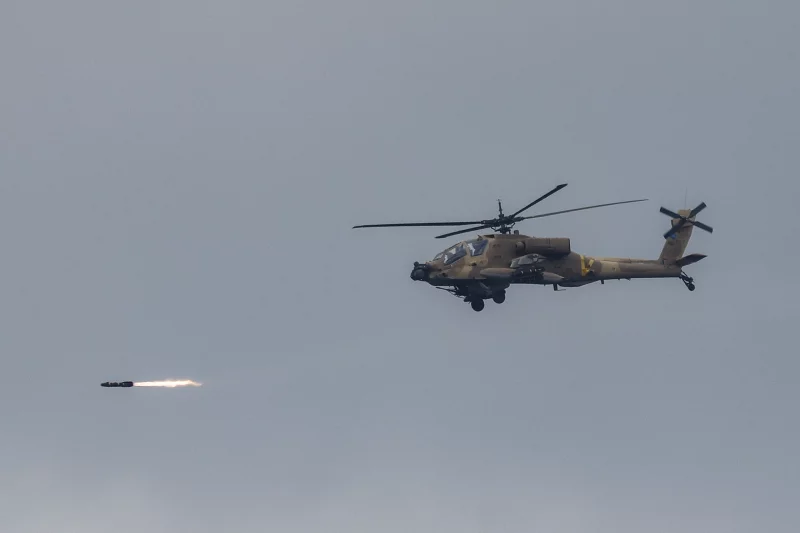
Day 10: Leadership change in Iran
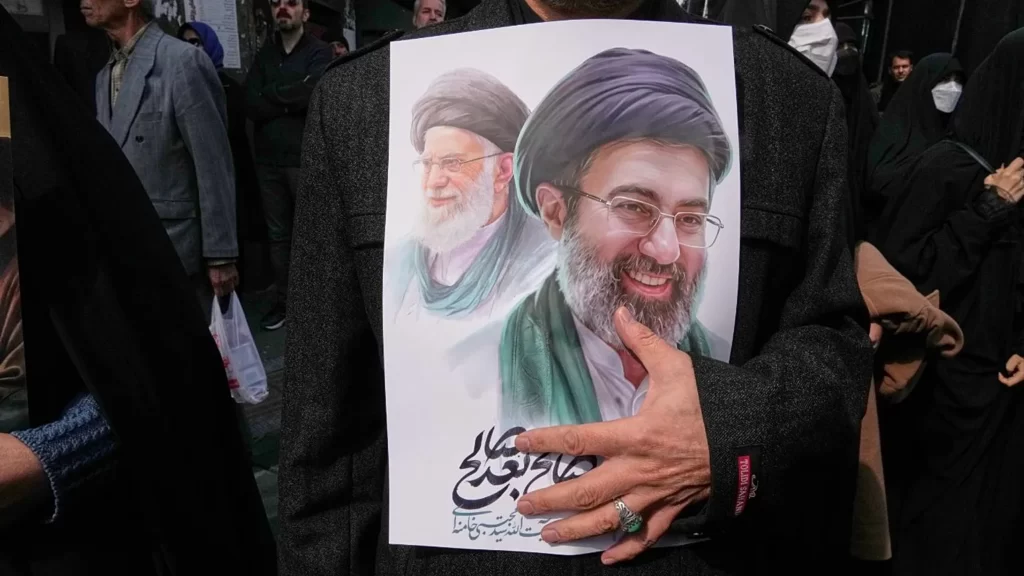
On March 10, Iran announced that Mojtaba Khamenei had become the country’s new Supreme Leader following the death of his father.
The cleric, who is believed to have close ties with Iran’s Islamic Revolutionary Guard Corps, assumed leadership while Iranian forces continued missile and drone attacks across the region.
The leadership transition came during one of the most volatile moments in the country’s modern history as Tehran faced sustained US and Israeli military pressure.
Day 11: Intensified bombardment and protests
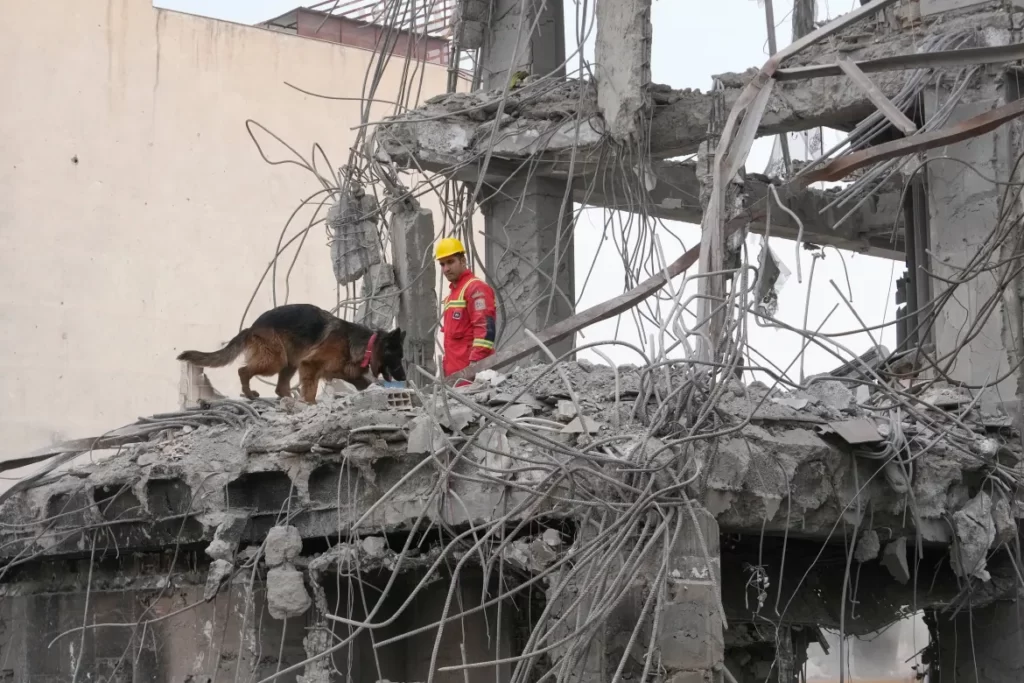
Heavy airstrikes continued across Iran on March 11, with explosions reported in Tehran and several other major cities.
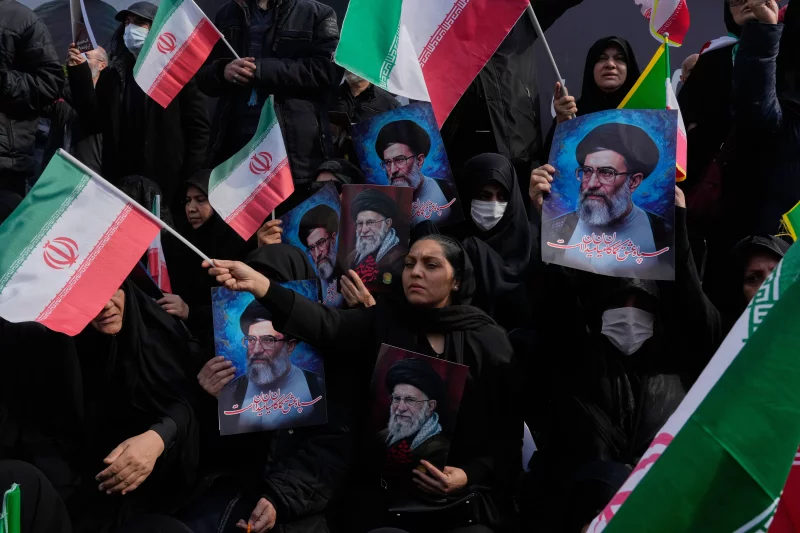
Thousands of Iranians rallied in support of Mojtaba Khamenei as the government vowed to continue fighting.
Iranian forces also launched drone attacks targeting Israeli infrastructure, including energy facilities in Haifa.
Iran’s Foreign Minister Abbas Araghchi said Tehran would continue fighting “as long as necessary”, casting doubt on US President Donald Trump’s suggestion that the conflict could end soon.
Day 12: Largest wave of US attacks
The war escalated further on March 12 when the United States launched what officials described as the largest wave of strikes since the conflict began.
US Defence Secretary Pete Hegseth said American forces carried out extensive operations targeting Iranian military infrastructure.
Tehran reported heavy bombardment across the capital while thousands of civilians fled major cities.
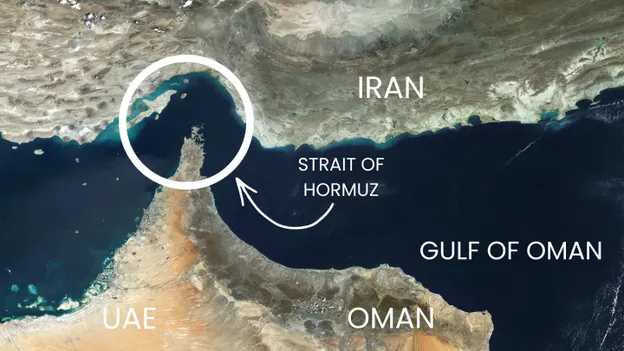
US forces also destroyed several Iranian naval vessels near the Strait of Hormuz amid concerns Tehran could attempt to block the critical shipping corridor.
Day 13: Energy markets shaken
By March 13 the war was increasingly affecting global energy markets.
The International Energy Agency announced the release of 400 million barrels of oil from emergency reserves to stabilise markets after tanker traffic through the Strait of Hormuz slowed dramatically.
Oil prices surged above $100 per barrel amid fears that shipping through the strategic waterway could be blocked.
Missile strikes and drone attacks continued across the Gulf while Israel expanded operations against Hezbollah targets in Lebanon.
Maritime conflict reshapes global shipping
The war has also triggered a major disruption in global shipping routes.
Two weeks after the launch of Operation Epic Fury, the maritime conflict in the Gulf has shifted from immediate disruption to sustained systemic stress across international shipping networks.
Commercial confidence in the Strait of Hormuz collapsed during the first days of the conflict as vessel strikes, missile threats and insurance withdrawals pushed operators out of the corridor.
By the start of the second week, routine commercial traffic had largely disappeared.
Only ten commercial vessels were recorded crossing the Strait of Hormuz between March 7 and March 11, compared with a normal daily average of roughly 70 to 80 ships.
Vessel attacks also expanded geographically across the Strait of Hormuz, the Gulf of Oman, UAE coastal waters and Iraqi export zones.
By March 11, at least 16 vessels had been struck since the start of the crisis.
Global powers move to secure shipping routes
Major powers have begun expanding their monitoring operations in the region.
China deployed the signals intelligence vessel Liaowang-1 to the Gulf of Oman, placing a large maritime surveillance platform close to the conflict zone.
Pakistan also launched a naval escort mission, Operation Muhafiz-ul-Bahr, to protect merchant vessels carrying critical cargo to Karachi.
Energy supply chains have already begun restructuring. Saudi Arabia has accelerated exports through its Red Sea pipeline bypass while Iraqi oil exports have fallen sharply due to tanker disruptions at southern terminals.
Day 14: Explosions in Tehran and aircraft crash
As the war approached its third week, heavy explosions were again reported across Tehran.
The blasts occurred during a large pro-government demonstration marking Quds Day, an annual event supporting the Palestinian cause.
The day also saw a major aviation incident when a US Air Force KC-135 refuelling aircraft crashed in western Iraq.
The United States Central Command confirmed that four of the six crew members onboard were killed, while rescue operations continued for the remaining personnel.
War’s humanitarian toll grows
The humanitarian impact of the conflict has continued to rise.
Iranian authorities say more than 1,200 people have been killed inside the country since the war began, while hundreds more have died in Lebanon and dozens in Israel and other countries affected by the fighting.
The United Nations estimates that hundreds of thousands of people have been displaced across the region.
Humanitarian organisations warn that children have been among the worst affected, with thousands reported injured or killed since the conflict began.
As the war enters its third week, fears remain that the conflict could expand further across the Middle East and continue disrupting global energy supplies.
Also read: How the conflict with Iran has evolved over the last 4 days
For more videos and updates, check out our YouTube channel
