

As the conflict enters its fourth day, the conflict between the United States, Israel and Iran has evolved from targeted strikes into a widening regional crisis, with military, diplomatic and economic repercussions spreading across the Middle East and beyond. From Gulf airspace disruptions and energy market shocks to direct security implications for Cyprus and UK assets on the island, the situation remains fluid. With political rhetoric intensifying and further military moves under consideration, attention is now focused on whether the coming days bring containment, or a deeper regional escalation. Take a look at how the conflict has evolved so far, day by day:
What to know- Day 1 (February 28)
- The US and Israel launched strikes on Iran, with the campaign beginning with attacks on Tehran and other targets.
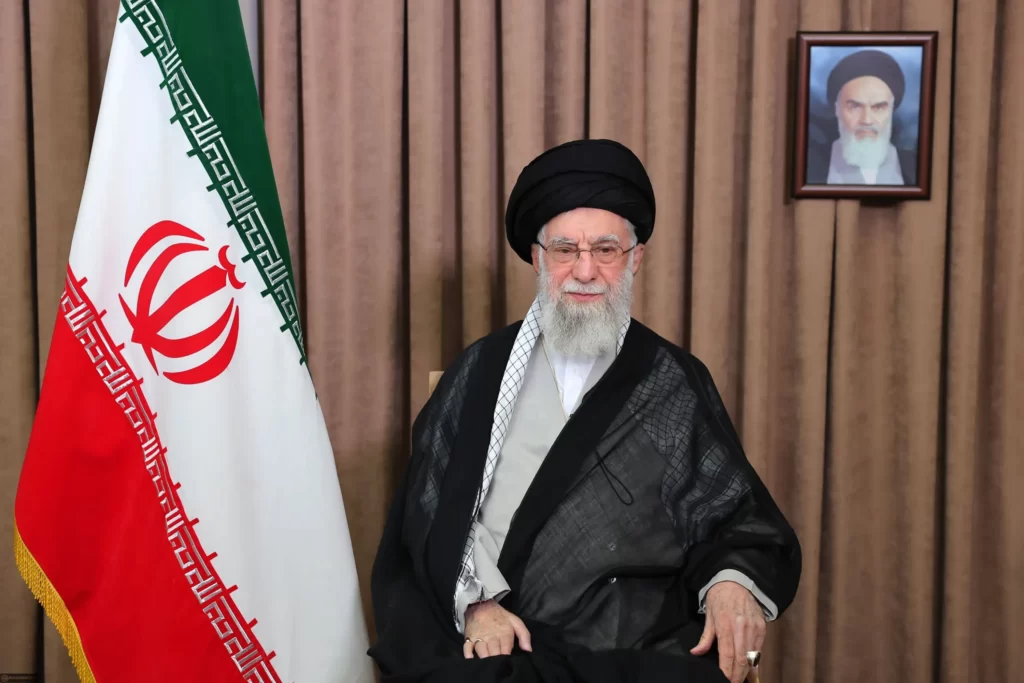
- Iran’s supreme leader Ayatollah Ali Khamenei was reported killed as the strikes hit.
- Iran fired retaliatory strikes against Israel and US bases across the region, with attacks spanning multiple countries.
- Missiles were intercepted over Doha, with regional air defences activated as the retaliation began.
- UK, France and Germany issued a joint statement condemning Iran’s retaliatory strikes on neighbouring countries.
- Cyprus relevance: the UK said British planes were involved in coordinated regional defensive operations in the Middle East- a reminder of the UK’s active posture in the wider theatre, with knock-on sensitivity for RAF assets on Cyprus.
What to know- Day 2 (March 1)
- Iran’s retaliatory strikes widened across Israel and Gulf states, with loud blasts reported in Dubai and Doha.
- A berth at Dubai’s Jebel Ali Port caught fire after debris from an intercepted missile, satellite imagery showed.
- Iranian missile activity continued toward Israel, with interceptions observed from multiple locations.
- Regional airspace closures and flight cancellations left thousands of travellers stranded across the Gulf, with limited services gradually resuming from the UAE amid ongoing security concerns.

What to know- Day 3 (March 2)
- A new front opened as Hezbollah launched missiles and drones toward Israel; Israel responded with sweeping airstrikes on Beirut’s southern suburbs, with Lebanese state media reporting significant casualties and injuries.
- Kuwait mistakenly shot down three US F-15E jets during an Iranian attack, with all crew recovered, according to US Central Command.
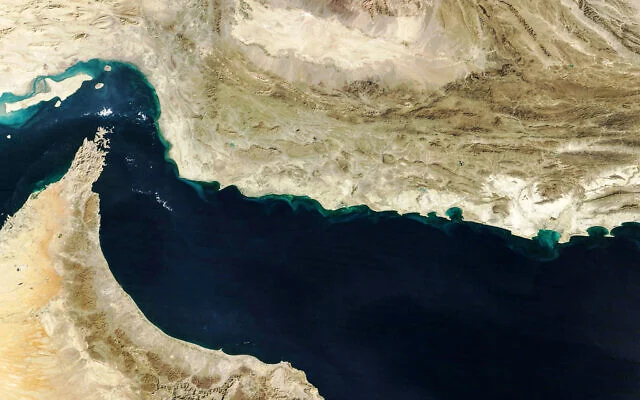
- Reuters reported the Strait of Hormuz shipping route was shut down, sending oil prices surging amid broader disruption.
- The US State Department urged Americans to leave more than a dozen countries in the region, citing escalating risk and airspace disruption.
- Cyprus relevance: the conflict’s spread to Lebanon and sustained Gulf strikes sharpened the regional threat picture for nearby states, including Cyprus, given proximity to Lebanon and the UK base footprint on the island.
- The UK confirmed it authorised the United States to use British overseas airbases for strikes on Iranian missile sites, with Prime Minister Sir Keir Starmer saying the decision was lawful and aimed at protecting allies in the Gulf.
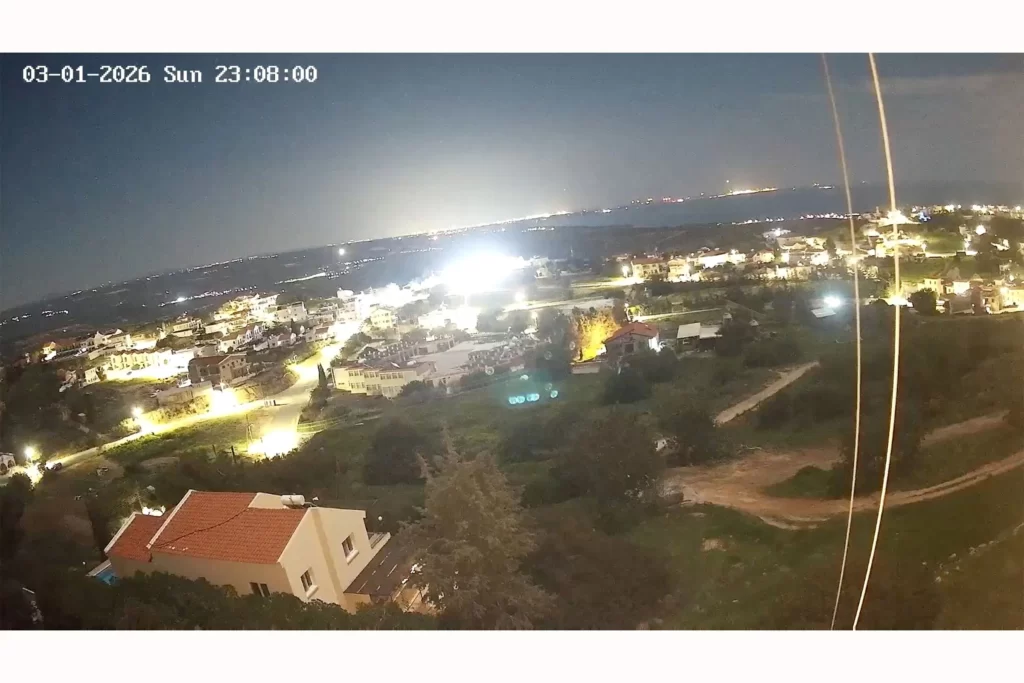
- RAF Akrotiri in Cyprus was struck by an Iran-made drone, with speculation regarding whether it came from Iran or Hezbollah
- Two additional drones were intercepted before reaching Cyprus, as air defence systems responded to renewed aerial threats in the eastern Mediterranean.
What to know- Day 4 (March 3)
- The US and Israel are attacking Iran for a fourth day – and Tehran is continuing retaliatory strikes against Washington’s allies and US bases across the Gulf;
- Donald Trump says attacks will probably last four to five weeks, and secretary of state Marco Rubio has warned the “hardest hits are yet to come”;
- The US embassy in the Saudi capital of Riyadh was struck by drones overnight, resulting in a “limited” fire. Trump said “you’ll find out soon” how the US would retaliate;
- The conflict has expanded, with the Israeli military striking Iran-backed Hezbollah targets in Lebanon for a second day and IDF soldiers operating in southern Lebanon;
- Benjamin Netanyahu, the Israeli leader, has vowed “quick and decisive action”, insisting he will seek “peace through strength”;
- Sir Keir Starmer has defended the UK government’s decision not to get involved in the US offensive, despite criticism from Trump, telling MPs he does not believe “in regime change from the skies”;
- But the UK is considering sending a major warship to Cyprus to help defend a Royal Air Force base on the island, Sky News understands;
- Limited flights restarted from the UAE last night, with thousands of Britons stranded in the region;
- Gas prices in the UK have soared to a three-year high and oil prices hit a 13-month high after Iran closed the Strait of Hormuz, a key shipping route, last night.
Also read: France sends missile, anti-drone systems, and frigate to Cyprus
For more videos and updates, check out our YouTube channel
