

400 years under Ottoman rule
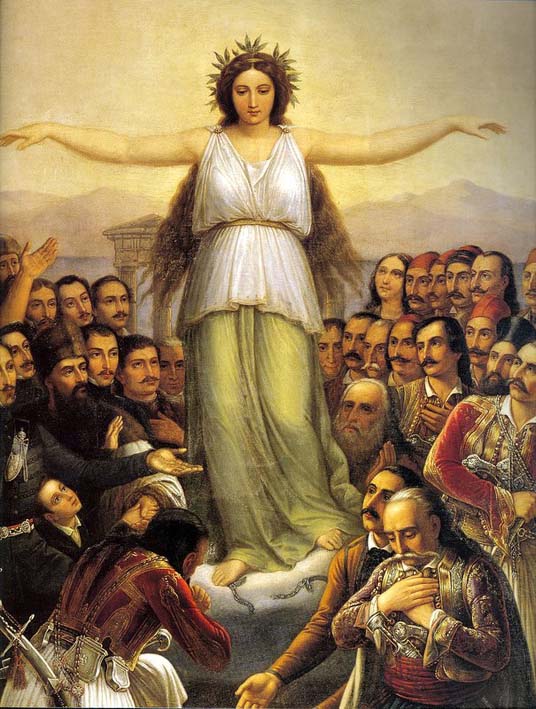
Greek Independence Day, marks the 1821 uprising against the Ottoman Empire. The uprising is traditionally linked to March 25, when Bishop Germanos of Patras is said to have raised the banner of revolution at the Monastery of Agia Lavra, but the roots of that revolt go back centuries.
By the early 1800s, Greeks had lived under Ottoman rule for nearly 400 years, since the fall of Constantinople in 1453. While Greek identity, language, and Orthodox faith survived, political power, taxation, and authority rested firmly in Ottoman hands.
Over time, resentment grew- fuelled by heavy taxation, lack of political freedom, and the spread of revolutionary ideas from Europe.
By 1821, the question was no longer if the Greeks would rise, but when.
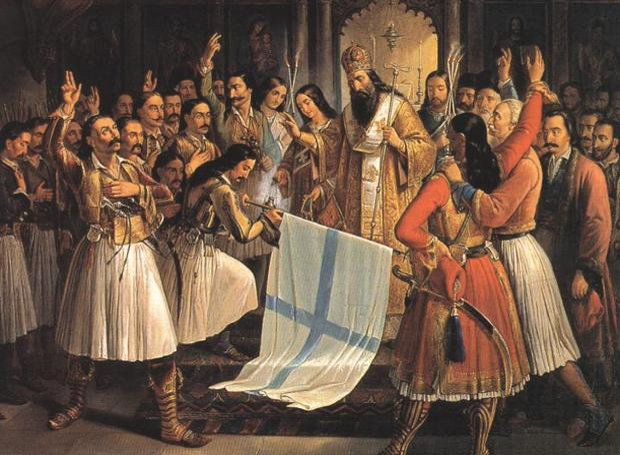
The cry for freedom
When the revolution began, it carried a powerful message: “Eleftheria i Thanatos”- Freedom or Death.
It wasn’t just a slogan; it was a declaration that there was no going back.
Later, the battlefield cry “Aera!”- meaning “air”- would echo through Greek history as soldiers charged forward, symbolising the force that would sweep the enemy away. While more famously used in later wars, its spirit reflects the same fearless momentum born in 1821.
The leaders who became legends
The revolution was not led by one figure, but by a generation of fighters who became national icons:
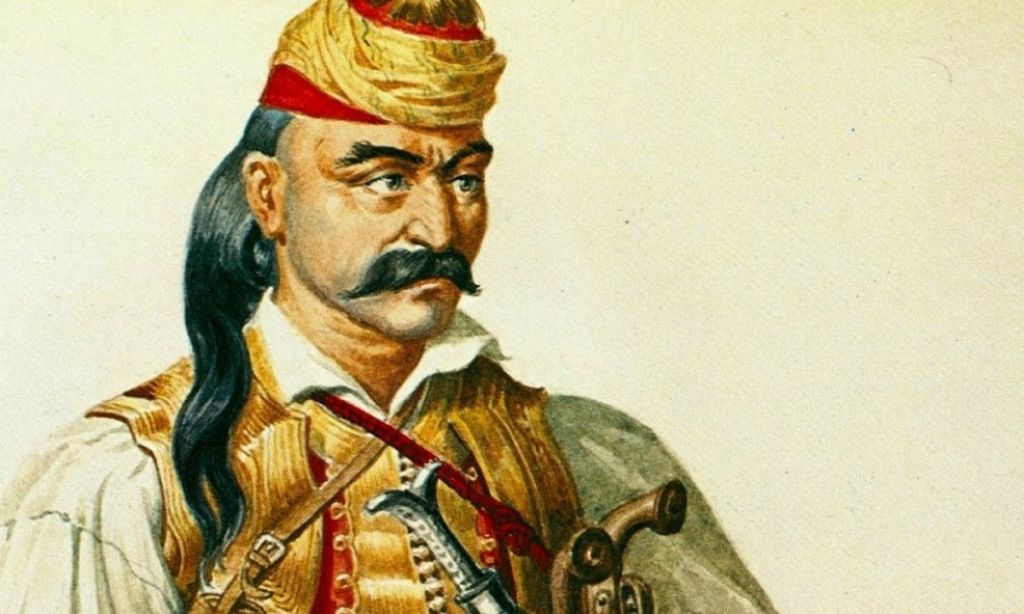
- Theodoros Kolokotronis: The mastermind of the revolution, he led Greek forces to crucial victories in the Peloponnese. His triumph at the Battle of Dervenakia (1822) crushed a major Ottoman army and turned the tide of the war.
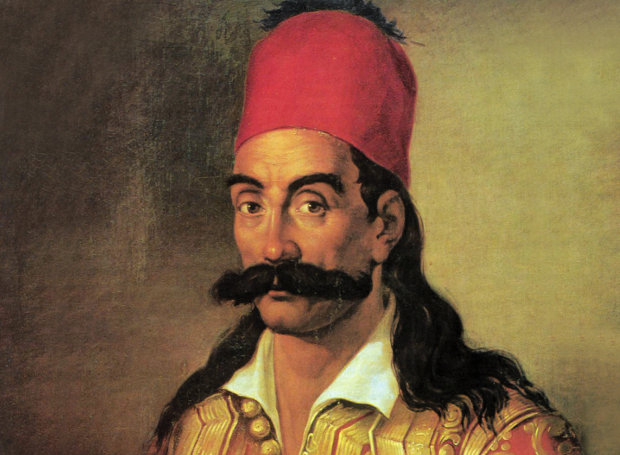
- Georgios Karaiskakis: A brilliant and unconventional military leader, known for guerrilla tactics and relentless resistance, especially in central Greece.
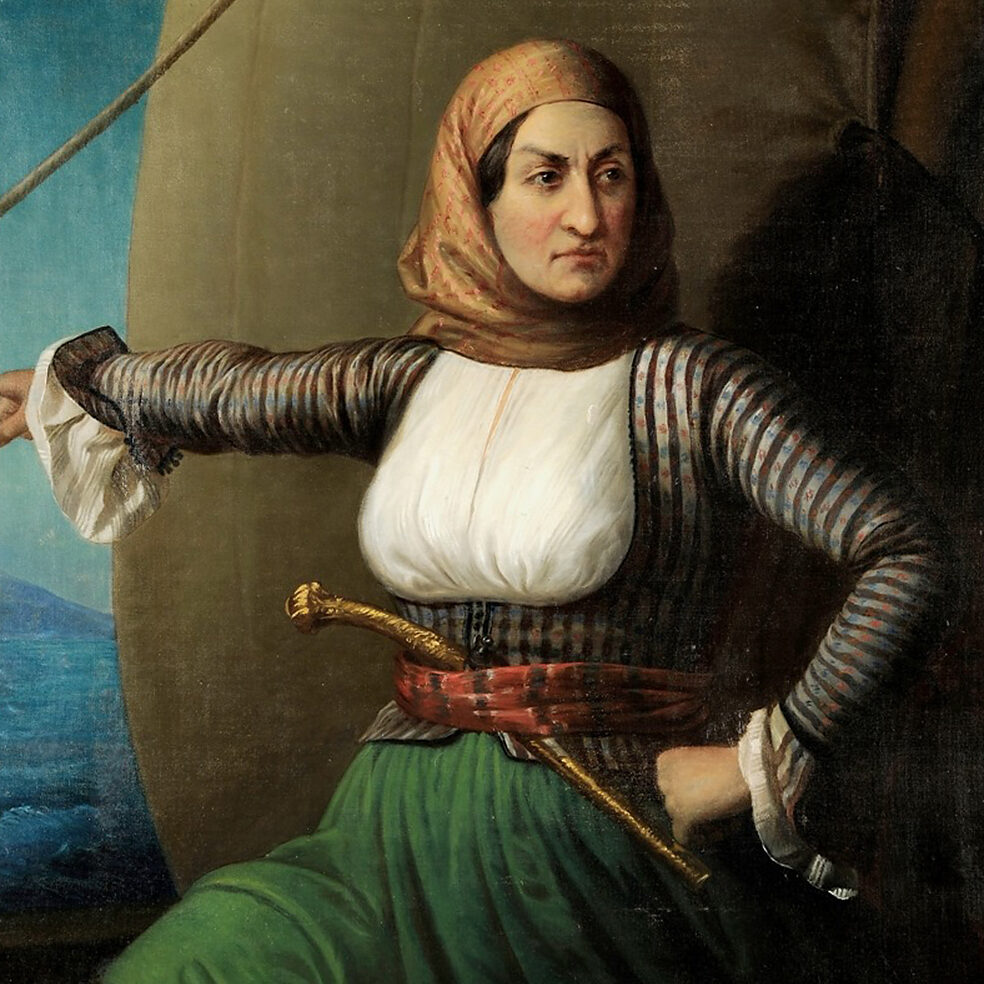
- Laskarina Bouboulina: One of the most remarkable figures of the revolution, she commanded her own fleet and financed the struggle, becoming a symbol of courage and defiance at sea.
These were not just commanders, they were symbols of a people refusing to submit.
A brutal and uncertain war
The Greek War of Independence was long, chaotic, and often desperate.
There were moments when the revolution nearly collapsed- internal divisions weakened the Greek side, and Ottoman reprisals were devastating.
One of the darkest episodes was the Massacre of Chios (1822), which shocked Europe and drew international sympathy to the Greek cause.
That sympathy would prove decisive.
The turning point: Navarino
By 1827, the war had reached a critical point, and outside powers stepped in.
At the Battle of Navarino, the combined fleets of Britain, France, and Russia confronted the Ottoman-Egyptian navy.
In a single, devastating engagement:
- The Ottoman fleet was almost completely destroyed
- Ottoman control of the sea collapsed
- The balance of power shifted overnight
It was a rare moment where European intervention directly changed the course of a war, and it effectively sealed the path to Greek independence.
The birth of a nation
By 1830, Greece was officially recognised as an independent state.
The revolution had succeeded- against the odds, against a vast empire, and after years of sacrifice.
Why it still matters today
Greek Independence Day is not just about history, it is about identity.
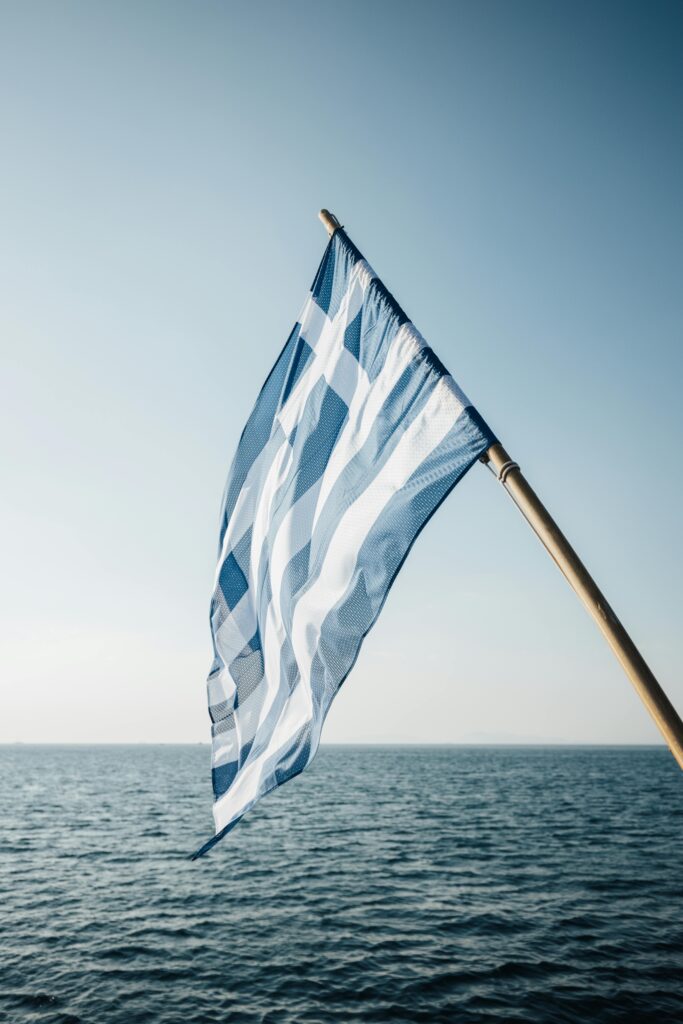
Across Greece and Cyprus, March 25 is marked by parades, flags, and remembrance, but also by something deeper: a shared understanding of struggle, resilience, and the cost of freedom. From the mountains where fighters held their ground to the seas where naval battles were fought, the spirit of 1821 remains a powerful reminder of what can be achieved through unity and determination.
Because freedom was not inevitable.
It was fought for – village by village, sea by sea, life by life.
And that is why it is still celebrated with pride.
Also read: Εάλω η Πόλις- The City has fallen
For more videos and updates, check out our YouTube channel
