

Pig organ transplants may soon become a real solution to the global shortage of donor organs, as scientists raise genetically modified pigs in highly controlled research facilities in the United States.
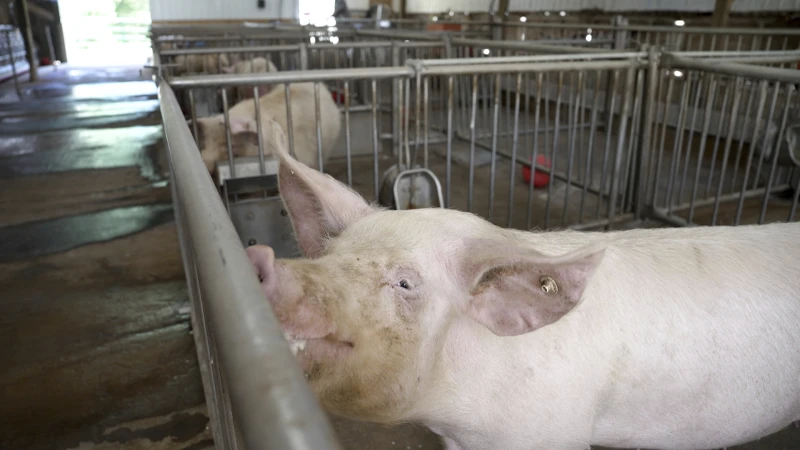
The first gene-edited pig organs transplanted into humans came from animals bred on secure research farms operated by Revivicor, a biotechnology company working on xenotransplantation, the use of animal organs in people.
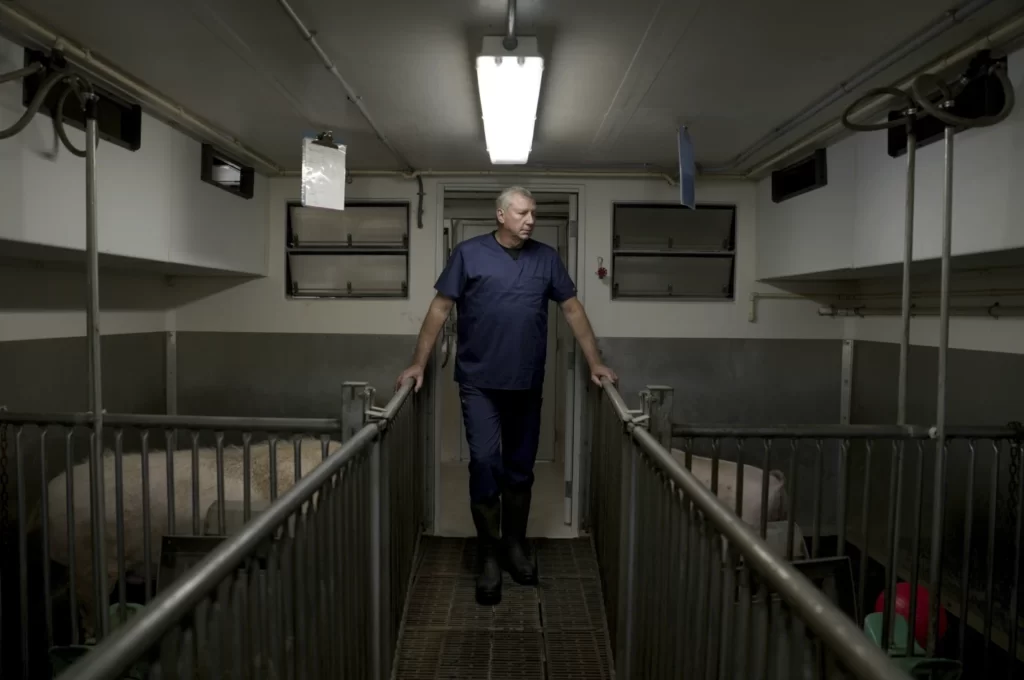
Strict biosecurity measures protect the animals. Visitors must disinfect vehicles, change into medical clothing and clean their boots before entering the barns to prevent contamination.
“These are precious animals,” said David Ayares of Revivicor, who has spent decades developing pigs with genetic changes that make their organs compatible with humans.
Designed to prevent rejection
Scientists modify pig genes to reduce the risk that the human immune system will reject the organ. Early experiments removed a gene that produces a sugar known as alpha-gal, which triggers strong immune reactions.
Researchers now use multiple gene edits, deleting pig genes and adding human ones to lower the risk of rejection, blood clots and organ size mismatch.
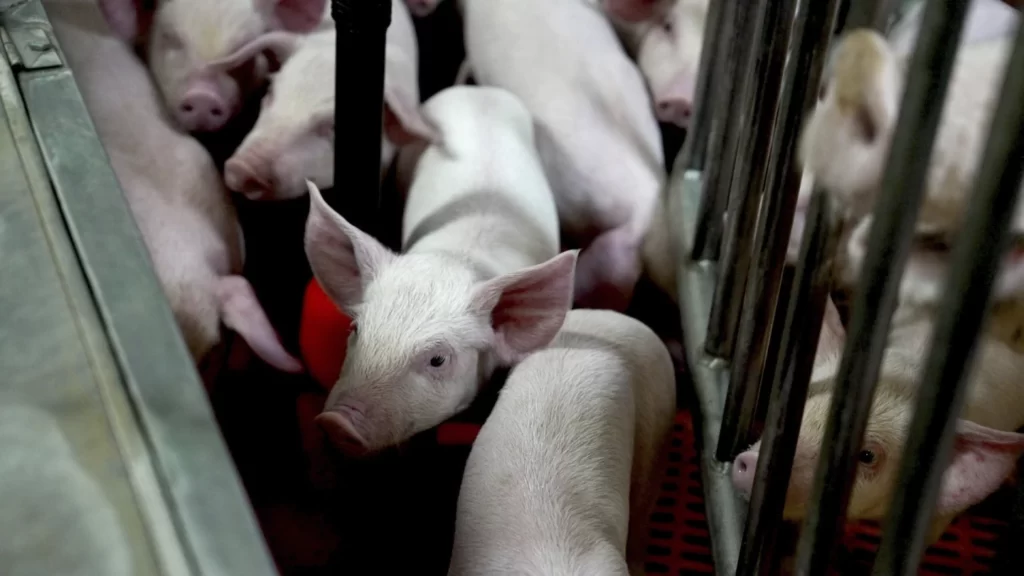
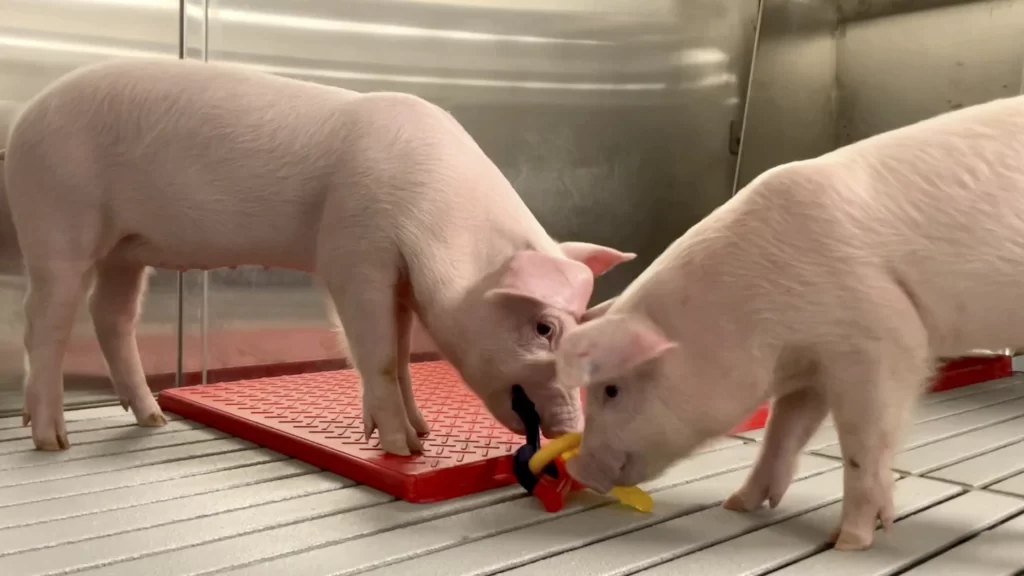
The pigs are cloned using techniques similar to those used to create Dolly the sheep, then raised in carefully monitored environments to keep them free from disease.
Built like a pharmaceutical lab
A new high-security facility in Virginia is designed to raise pigs for future clinical trials. The building resembles a pharmaceutical plant rather than a farm, with filtered air, sterilised feed and strict hygiene rules for staff.
Experts say the goal is to produce organs safe enough for human transplantation while meeting US Food and Drug Administration standards.
The facility could eventually supply dozens of organs each year for studies involving human patients.
Shortage of human donors drives research
Thousands of people die every year waiting for organ transplants, and specialists believe human donors alone cannot meet demand.
Companies including Revivicor, eGenesis and Makana Therapeutics are working to make pig organs suitable for humans. So far, several experimental transplants have been carried out in critically ill patients, offering valuable data even though the recipients survived only a short time.
Researchers must still prove that organs from animals do not carry hidden infection risks and can function long-term in humans.
A new phase for transplantation
Scientists say the next few years will determine whether xenotransplantation becomes a standard medical treatment.
If trials succeed, large facilities could eventually produce hundreds or even thousands of organs each year, offering hope to patients who currently have no transplant options.
“The next two or three years are going to be super exciting,” Ayares said, as research moves closer to full clinical trials.
Also read: Alberta moves to limit assisted dying rules
For more videos and updates, check out our YouTube channel
