

Moving from Korea to Finland and eventually settling in Cyprus, Nayeong Song has experienced life across three very different cultures.
In this interview, she shares what brought her to the island, the surprising similarities between Korean and Cypriot people, her biggest culture shocks and why she hopes to build stronger connections between the two countries.
What brought you to Cyprus, and what made you decide to stay?
My journey to Cyprus was quite unexpected. I grew up in South Korea, and when I was living there, I could barely speak English. I never imagined that I would eventually end up living in different countries.
In 2016, I had the opportunity to go on an exchange programme in Finland. Originally, I was only planning to stay for a year, but life had other plans. I met my Finnish partner there, and we eventually got married. After returning to Korea to finish my university degree, I moved back to Finland, where I started a new life.
I studied at university again, built my career and worked for several years. On paper, everything was going well, but I never really felt completely happy. One of the biggest challenges was the Finnish winter. During the darkest months, the sun can set as early as 3 pm, and the long, dark winters started taking a toll on me. I spent nine years trying to adapt, keeping myself active and doing everything I could to stay positive, but eventually I felt I had reached my limit.
I started looking for somewhere almost opposite to Finland: somewhere sunny, with a more relaxed atmosphere and a different lifestyle. Going back to Korea wasn’t something I felt ready for either, partly because I was worried about returning to its highly competitive work culture.
That’s when Cyprus came onto our radar.
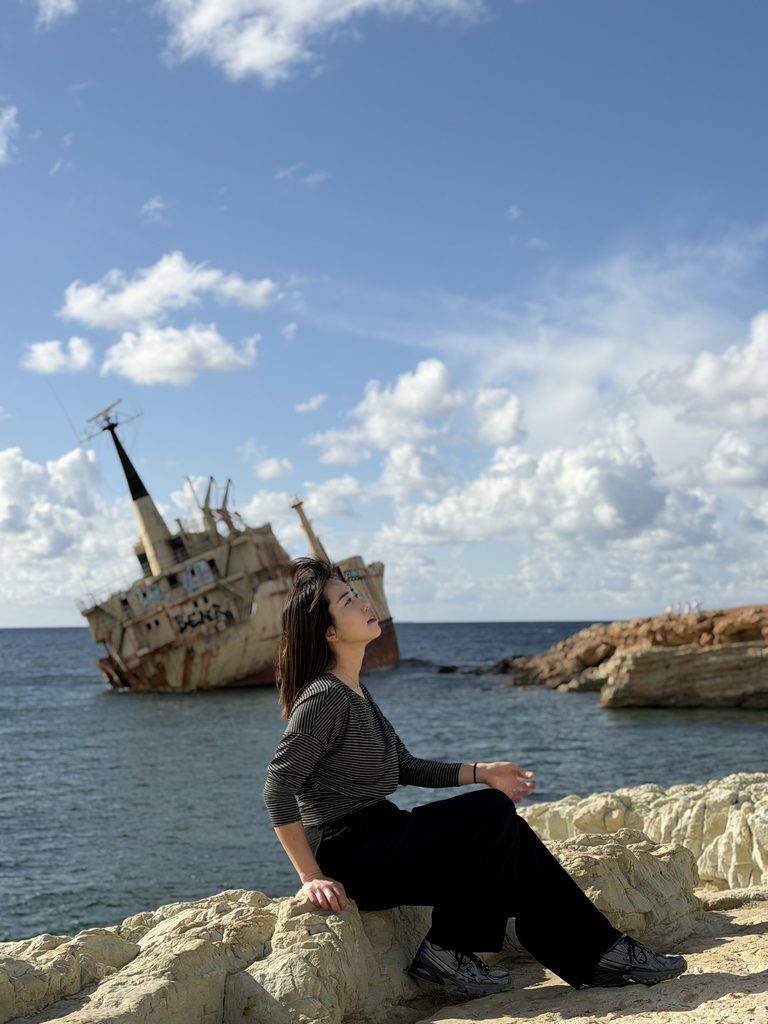
Our original plan was simply to visit during Christmas, explore the island and see whether it could be somewhere we might want to live. But something happened the moment I arrived at Paphos Airport. I remember stepping out and immediately thinking, “This is it. I could see myself living here.”
It wasn’t just about the weather or the beautiful scenery. Sometimes you visit a place and feel an inexplicable connection to it. That’s exactly what happened to me.
And here’s the crazy part: we didn’t spend years planning the move. We made the decision surprisingly quickly. We had a well-paying job in Finland and even owned our own house, but we decided to sell everything and start over in Cyprus.
Before moving, I honestly didn’t know much about Cypriot culture or what everyday life would be like here. I mainly knew about the sunshine and beautiful landscapes. But the more I discover about this island, its people and its culture, the more fascinated I become.
People often ask me what exactly made me stay, but it’s difficult to point to just one thing. I think it’s Cyprus as a whole that makes me want to be here.
Having lived in both Korea and Finland, what similarities have you noticed between Korean and Cypriot culture?
I think people naturally assume that Korea and Cyprus must be culturally very different because they are geographically so far apart. I thought the same before moving here! But one of the biggest surprises has been discovering how much we actually have in common.
First, I would say the warmth of the people. In Korean, we have a word called “Jeong” (n). It’s quite difficult to translate directly into English, but it describes a special kind of affection and emotional connection between people, often expressed through looking after one another and small acts of kindness.
I had experienced this feeling growing up in Korea, but after living in Finland, where people tend to be more individualistic and protective of their personal space, I sometimes missed that sense of spontaneous closeness. I didn’t expect to find it again in Cyprus, but I did. Even something as simple as going for coffee with colleagues and everyone insisting on paying for each other reminds me of Korea. People seem genuinely willing to help without expecting anything in return.
Another unexpected similarity is our shared experience of division. Korea and Cyprus have very different histories and political circumstances, but both societies understand what it means to live with the consequences of a divided homeland. I think this creates a connection that you don’t necessarily find in many other countries.
And here’s something I find particularly funny: both Koreans and Cypriots love complaining about their own countries! Even when people know they live in a beautiful place, they always seem to have something to complain about. I find that strangely familiar.
I’ve also noticed that people here are very expressive. Coming from Finland, where conversations can sometimes be much more reserved, I really appreciate how people react, laugh and engage when you’re telling a story. The humour also feels surprisingly familiar. Some jokes that might be considered a little too much in other cultures seem to work perfectly well here!
Finally, both cultures place a lot of importance on family. Family gatherings, celebrations and spending time with relatives are still important parts of everyday life in both Korea and Cyprus.
I never expected to find so many familiar things on an island so far away from home.
What was your biggest culture shock when you first arrived in Cyprus?
Definitely the pace of life!
Coming from Korea, where everything moves incredibly quickly, I found it surprising how slowly things can happen here. One experience that I still remember was when the air conditioning in our house broke down. A repairman was supposed to come by 2 pm, so I stayed home waiting. Two o’clock passed, then the afternoon, and eventually the evening. He simply never showed up. There was no message or phone call to let us know he wasn’t coming.
Eventually, after we threatened to terminate our rental agreement, someone finally came to fix it!
I understand that not everything can happen immediately, and I don’t expect Cyprus to operate at Korean speed. But the lack of communication was probably what surprised me most.
In Korea, I think someone would have already made three complaints, called the manager and probably left a one-star review by lunchtime!
I’m slowly learning to be more patient and embrace the slower pace of life. I’m not sure I’ve mastered it yet, though!
Is there anything about Cypriot people that surprised you?
Something I wasn’t prepared for was how physically expressive people are!
People stand really close when they talk, touch your arm or shoulder naturally, and seem to have no problem entering your personal space.
I thought I was quite comfortable with physical closeness because Korean culture is also quite community-oriented, but Cypriots definitely take it to another level!
At first, I found it a little unusual, but I’ve adapted so much that now I sometimes wonder if someone dislikes me when they talk to me without touching my arm!
It’s funny how quickly your idea of personal space can change when you move somewhere new.
Is there a particular Cypriot food you have fallen in love with?
Interestingly, it’s olives!
I know souvlaki and moussaka are popular Cypriot dishes, but my personal discovery has been something much simpler.
I was never really an olive person. If I ordered a pizza and it came with olives, I would usually wonder why they were there in the first place. I wouldn’t normally choose to eat them, either.
Then one day, I tried a very simple salad at a Cypriot restaurant, made with olives and olive oil. I honestly didn’t expect much from it.
But the moment I tasted it, I was genuinely surprised. It made me realise that a salad could taste that good, and I almost felt like all the olives I had eaten before weren’t real olives!
It sounds dramatic, but it was quite an eye-opening experience.
I’m still discovering the different varieties of olives and olive oils available here, and I would love to explore more. I think I’ve only scratched the surface!
If you were introducing Korean food to Cypriot friends, what would you prepare?
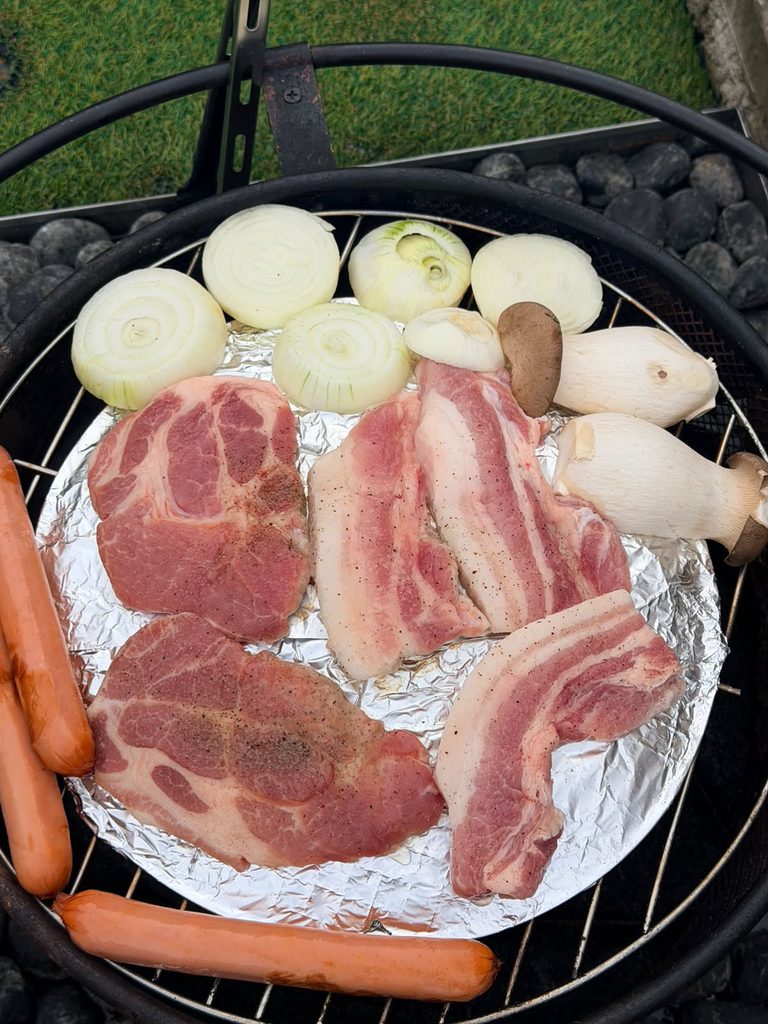
I would definitely prepare bibimbap and Korean BBQ.
Bibimbap is a Korean rice dish served with different vegetables, meat, and a special sauce. What I love about it is that everyone can customise their own bowl. If someone has allergies or doesn’t eat certain ingredients, they can simply choose what they want to include.
I would also introduce them to Korean BBQ. I know Cypriots love gathering around food and having barbecues with family and friends, so I think they would really enjoy the Korean version too.
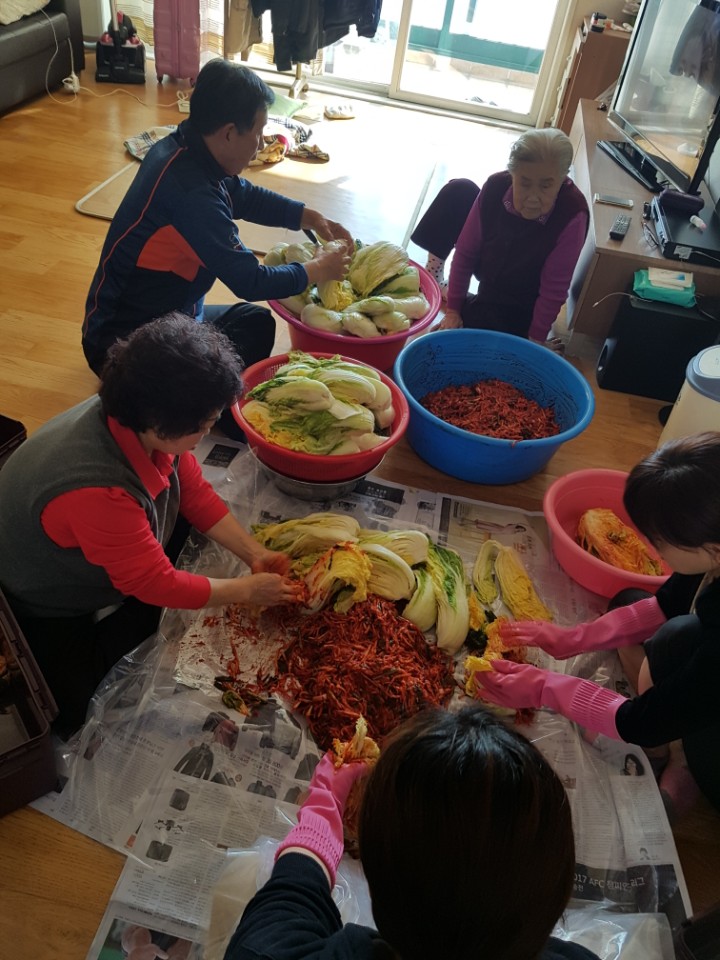
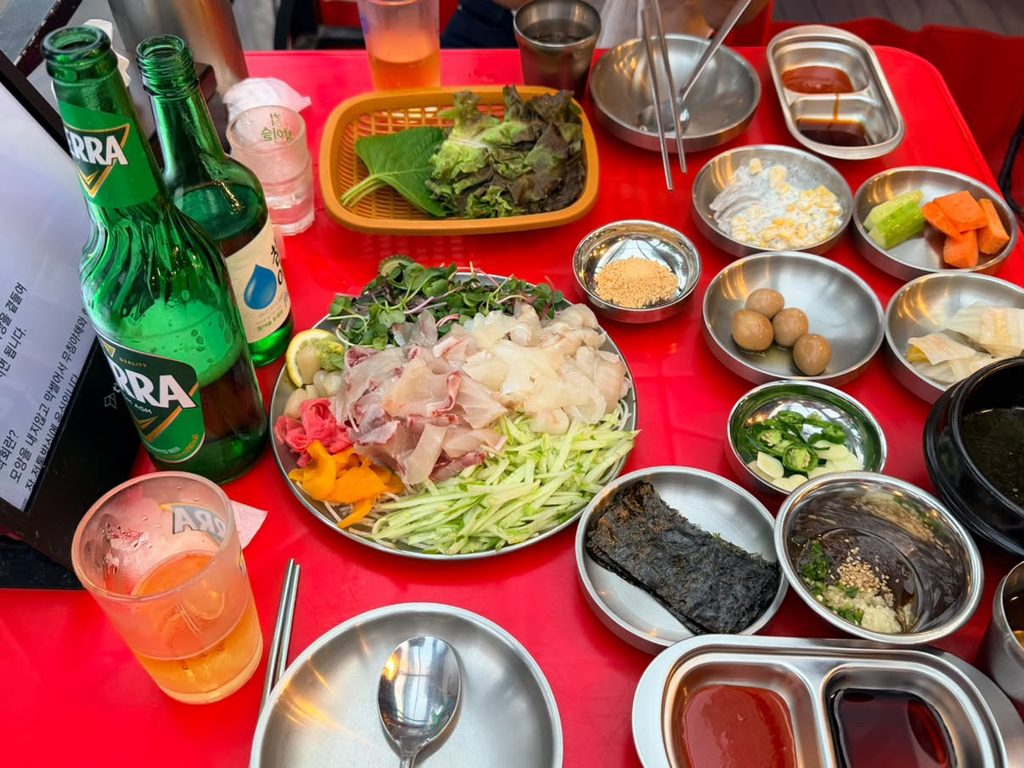
The difference is that in Korea, we usually grill the meat at the table and eat it with various side dishes, fresh vegetables, garlic and a dipping sauce called ssamjang.
We also wrap the meat in leafy vegetables, adding different ingredients to create little bites. It’s a very social way of eating, and I think it would fit perfectly with Cypriot food culture.
And here’s a little secret: you can actually find ssamjang in some supermarkets here, but I don’t think many people know what to do with it! I’d love to introduce more people to it.

What has been the most challenging part of settling into Cyprus?
I would say the two biggest challenges are language and building a social network.
I’ve noticed that personal connections are very valuable in Cyprus. Whether you’re looking for a reliable repairman, a good service provider or simply trying to find useful information, recommendations from people you know can make a huge difference.
Sometimes, knowing the right person can make things much easier, and you might even get better service or a better price.
As someone who has only recently arrived, I don’t yet have the same network that locals have built over many years. I sometimes feel I’m missing out on opportunities simply because I don’t know enough people here yet.
Language is another challenge. I feel that my experience of Cyprus is still somewhat incomplete because I don’t speak Greek yet.
I can enjoy the island, meet people and explore different places, but I know there’s another layer of the country that I haven’t accessed. Being able to communicate with locals in their own language would open so many more doors and help me understand the culture on a much deeper level.
It’s something I really want to work on.
Do you see opportunities for stronger connections between Korea and Cyprus?
Absolutely! In fact, I think there is a lot of potential in both directions.
Since moving here, I’ve been surprised by how many people in Cyprus are interested in Korean culture. K-pop, K-dramas and Korean beauty products seem to have a growing audience, and I think there are plenty of opportunities to introduce even more aspects of Korean lifestyle and culture.
For example, Korean food, beauty products and entertainment are areas where I think there is room for further development. Cyprus is a relatively small island, so I can see opportunities for more Korean cultural experiences, from Korean food to karaoke and other forms of entertainment.
But I also think the connection should work both ways.
In Korea, Cyprus is surprisingly unknown. Some people associate it mainly with political division, while others barely know where it is or have misconceptions about the country.
Since moving here, I’ve realised how much this island has to offer beyond its beautiful beaches. Its history, culture, food, traditions and everyday lifestyle are all things I would love to introduce to Korean audiences.
I genuinely think Cyprus has so much to offer Korean travellers, perhaps even more than many people realise.
Ultimately, I would love to become a bridge between the two cultures: introducing Korea to Cypriots while helping more Koreans discover Cyprus.
I think there is so much we can learn from each other, and I’m excited to be part of that connection.
Also read: Can Cyprus become a global gaming hub? Utmost Games CEO Vladimir Nikolsky weighs in
For more videos and updates, check out our YouTube channel.
