

A practical step toward sustainability
A good practice for businesses: Food Connect Visits McDonald’s Cyprus
Sustainability is more than just a trend, and this visit proved it. Food Connect visited the pilot organic waste management unit at McDonald’s Cyprus, reminding us that when there is intention, surplus can become a valuable resource.
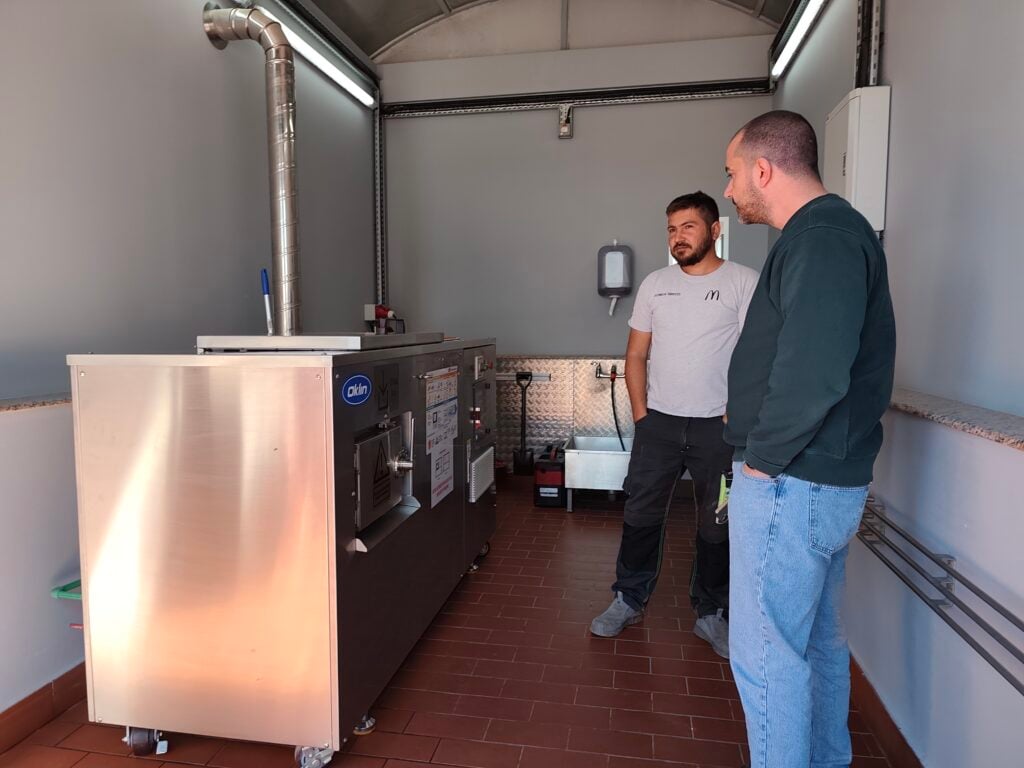
FOOD CONNECT (link here)- the first free food donation app in Cyprus – visited McDonald’s Cyprus’ pilot organic waste management unit. For the project team, the visit was more than a tour of technological equipment. It served as a reminder that, in an era where resource waste continues and waste management is often inadequate, businesses can and should test practical solutions to reduce food waste.
Organic waste challenges in Cyprus
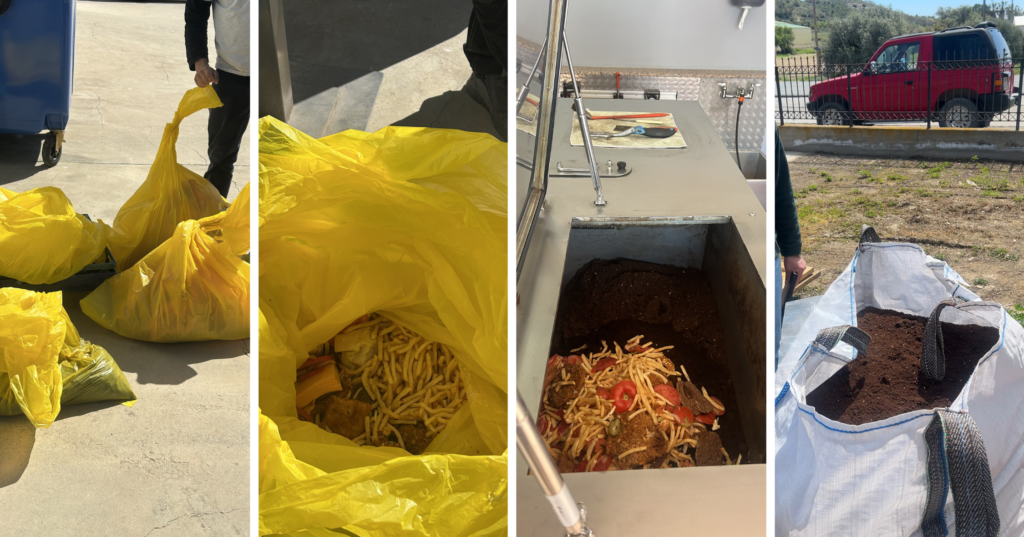
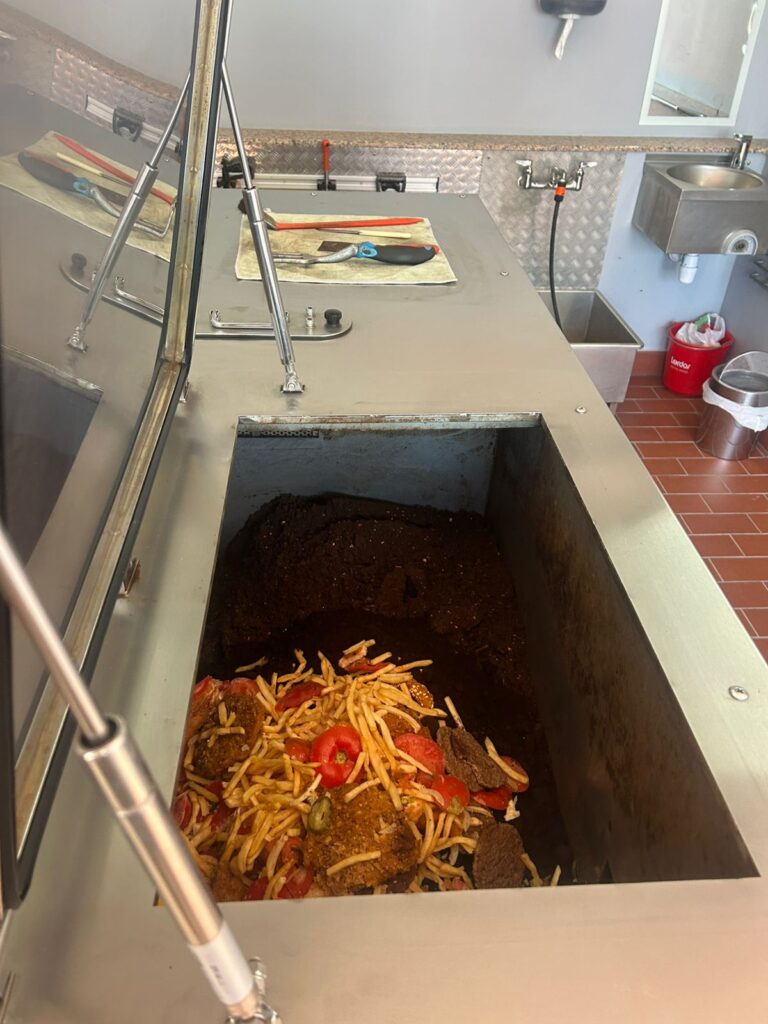
The unit we observed focuses on on-site management of organic waste, meaning food waste that would otherwise end up in the trash. Such solutions are particularly valuable in Cyprus today, as neither of the Integrated Waste Management Facilities (Kosi and Pentakomo) currently produces compost, nor is there a system for separate collection of organic waste across the country.
This means organic waste still goes to landfills, producing methane – a powerful greenhouse gas. Composting, or proper management of organic waste in general, is important not only to reduce waste volume but also to cut emissions, optimize resource use, and transition toward more circular operating models.
Turning waste into a resource
It is worth noting that this pilot unit has been operational since July 2024. Through the participation of two stores integrated into the system, 27 tons of organic waste have already been collected. From this process, 10 tons of high-quality compost have been produced, which will be distributed to local farmers. This demonstrates practically that, with the right infrastructure and intention, organic waste can be transformed from a “problem” into a useful resource.
Prevention remains the priority
The most important thing? Prevention comes first.
However, we must be clear: composting is not the first solution. Prevention is always the priority. Businesses must first review their processes, reduce overproduction, improve planning, and redesign how they manage food and raw materials. Only after this can we meaningfully address what to do with the food that still remains.
The role of food donation
And this is where food donation comes in.
At the European level, safely redistributing surplus food is increasingly recognized as a key tool in preventing food waste. Food that is still safe and edible should not be treated as waste – it should reach those who can use it.
Through Food Connect, we are working exactly in this direction: making food donation easier and more accessible for businesses and organizations. Food Connect provides a practical opportunity for companies, hotels, and food service units to integrate food donation into their daily operations, reducing food waste, improving resource management, and enhancing their social and environmental impact. In a period when sustainability is increasingly important for both consumers and businesses, such practices help companies not only reduce waste but also demonstrate responsible operations in practice.
Acknowledgements and project details
We would like to give special thanks to Mr. Alexis Charalambous, Post Production Supervisor at McDonald’s, and Mr. George Ptochopoulos, Technical Partner at McDonald’s, for welcoming us.
More information about FOOD CONNECT:
Website: https://www.thefoodconnect.eu/
Instagram: https://www.instagram.com/foodconnecteu/
Facebook: https://www.facebook.com/foodconnecteu
LinkedIn: https://www.linkedin.com/company/thefoodconnecteu/
Sarah Mariza Vryonidi, Project Manager, Friends of the Earth Cyprus
• This visit took place as part of the FOOD CONNECT project that is co-funded through the LIFE Programme of the European Union (Project Number:101148772).
• Views and opinions expressed are however those of the author(s) only and do not necessarily reflect those of the European Union or CINEA. Neither the European Union nor the granting authority can be held responsible for them.
