

Across Europe, frustration is growing. Young people feel ignored, education faces funding pressures, minimum wages struggle to keep up with the cost of living, affordable housing is increasingly difficult to find, and the prices of fuel, groceries and everyday essentials continue to weigh on household budgets.
In France, student protests turned violent, bringing the country’s unrest to international attention. Violence cannot be justified or overlooked. But it raises an uncomfortable question: would peaceful protesters have received the same attention if the streets had remained calm?
The unrest in France has put familiar problems in the spotlight, and similar frustrations are being voiced elsewhere in Europe. From Italy and Spain to Albania, people are demanding change, calling for greater financial security and questioning whether their governments are doing enough to protect their future.
The problems may differ from country to country, but the underlying concerns are strikingly similar: rising living costs, limited opportunities and a growing sense that ordinary citizens are not being heard.
What about Cyprus?
On 17 October, Direct Democracy called for a nationwide protest against high electricity prices. Demonstrators demanded immediate measures to bring down electricity bills, highlighting the pressure that energy costs place on households and businesses.
The issue extends beyond party politics. Whatever their political affiliations, people across Cyprus face the same rising bills and the same concerns about whether their incomes can keep pace with the cost of living. Affordable electricity is not an issue that affects only one political camp.
Yet the turnout appeared limited, judging by the photographs from the protest.
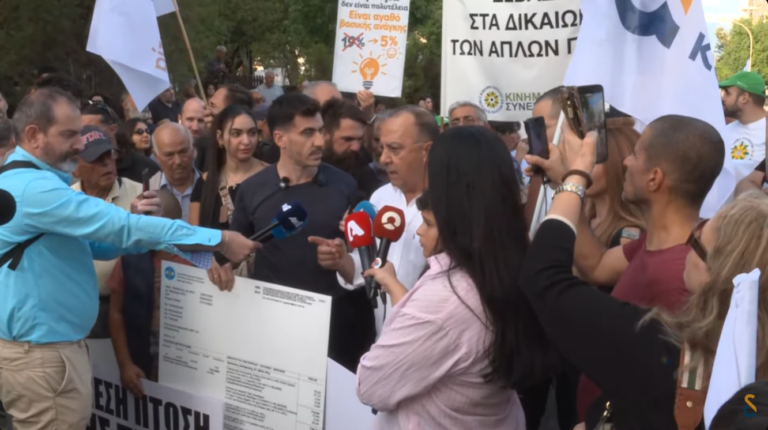
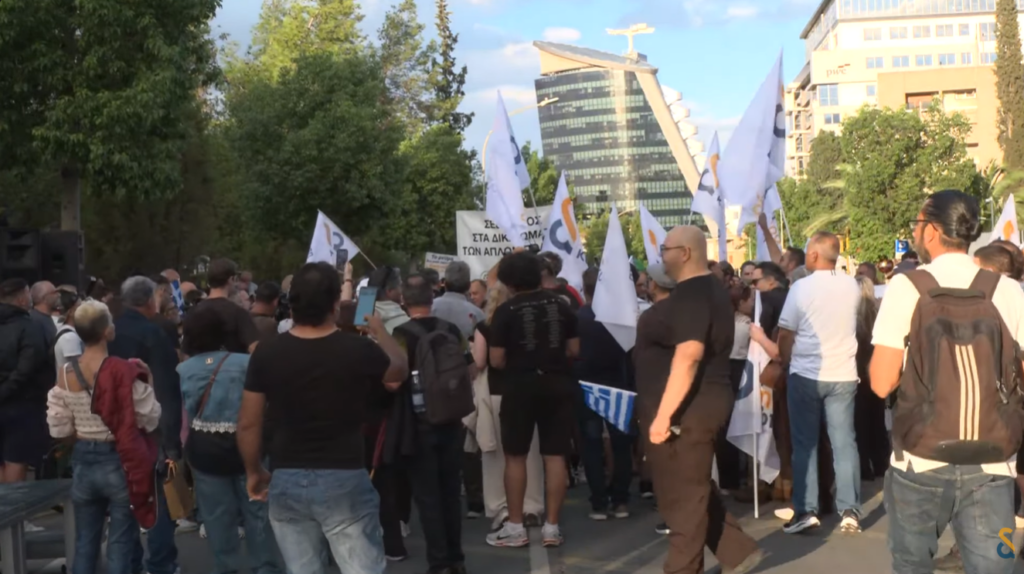
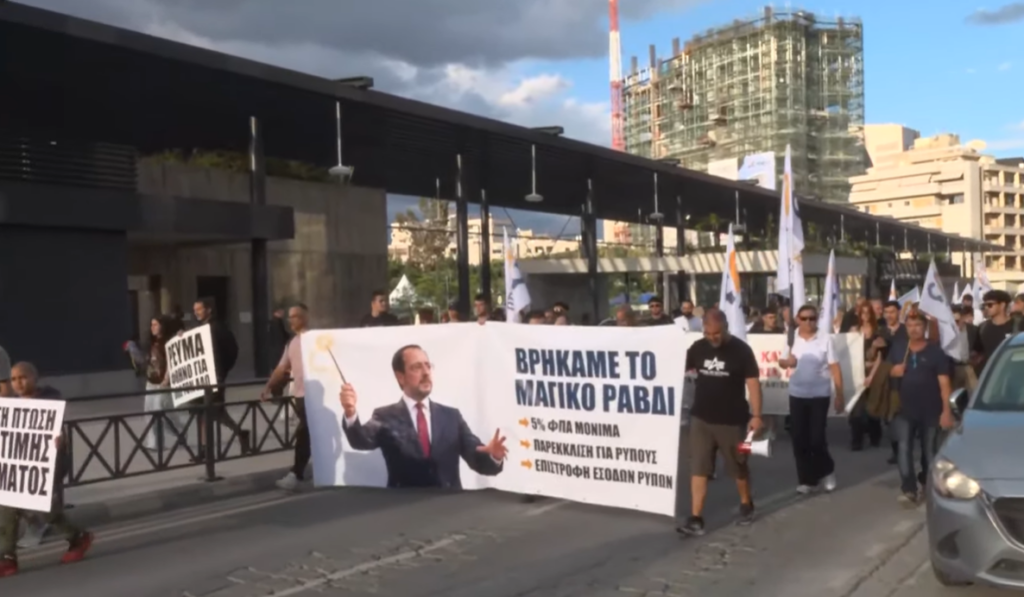
Was it a failure? And if so, what does that say about public frustration in Cyprus?
The party behind the demonstration is controversial, and that may have influenced some people’s willingness to attend. But the issue itself affects far more people than any single party’s supporters. High electricity prices remain a concern regardless of political loyalties.
So why did more people not turn up?
Is it a lack of trust in the political forces organising protests? Have people become resigned to the situation, believing that demonstrations will achieve little? Or has political division made it harder for citizens to unite around issues that affect them all?
Whatever the explanation, one question remains: if people are struggling with the same problems that have brought demonstrators onto the streets elsewhere in Europe, what is keeping Cyprus at home?
SigmaLive English asked a few citizens on their view. Why people in Cyprus don’t protest on the same scale as people in other European countries? The answers we got were reflective of the Cypriot mindset.
Cypriots tend to complain over coffee, but get nothing done.
One of the interviewees attributed the lack of large-scale protests in Cyprus, compared with other European countries, to political divisions and public apathy. He said people had become too comfortable with the status quo instead of speaking out against decisions that affect their lives.
He also argued that political parties had failed to find ways to engage young people, inspire them and offer them hope for the future. Older generations, he added, must also accept some responsibility for the difficulties facing younger people.
The interviewee said citizens needed to become better organised around major issues such as education, healthcare and the rising cost of living. He pointed to modern technology and social media as tools that could help people coordinate their efforts and organise demonstrations capable of putting pressure on the government.
Lessons from other European countries
Comparing Cyprus with other European countries, the interviewee expressed frustration at what he saw as the limited public response to major political and economic developments.
He singled out the 2013 financial crisis as a particularly painful example, arguing that public protests had not reached the scale needed to bring about meaningful change. He said the lack of widespread mobilisation remained a source of disappointment and called on citizens to show greater solidarity and make their voices heard.
He also stressed the importance of greater public engagement with issues affecting younger generations, particularly education, arguing that collective action could help challenge the status quo.
“It is never too late”
Despite his criticism, the interviewee insisted that it was never too late for people to organise and push for change.
He called for greater civic participation and better coordination, urging Cypriots to move beyond indifference and take a more active role in holding those in power accountable. He said citizens needed to be more willing to stand together and protest when important issues affecting society demanded action.
Also read: Doctor lifts the lid on conditions at public hospitals in Cyprus
For more videos and updates, check out our YouTube channel
