

Carnival has long carried an air of mystery. It marks the end of one season and the start of another, offering a final release before a period of mourning and restraint in the Christian calendar.
The name likely comes from the medieval Latin carnem levare or carnelevarium, referring to the removal of meat. In Christian tradition, Carnival comes just before Lent, a 40-day fasting period. Shrove Tuesday, also known as Mardi Gras, marks the final day of Carnival and the last chance for indulgence before Lent begins.
Ancient roots beyond Christianity
Although many link Carnival to Christianity, its origins may stretch further back. Some historians trace it to Rome’s Saturnalia festivals, while others suggest links to ancient Egypt. Today, more than 50 countries celebrate carnival, including Brazil, Italy, Switzerland, Trinidad and Tobago and the United States, showing its global reach beyond Western or Christian traditions.
Carnival in the Middle Ages: From ritual to spectacle
During the Middle Ages, the Church blended pagan and Christian traditions into elaborate celebrations. From the 12th century, popes travelled to Monte Testaccio in Rome to oversee competitions, duels and public games. Participants even threw carts of live pigs from the hill, with crowds scrambling to catch the meat.
In 1464, Pope Paul II introduced the Renaissance Carnival, organising animal races and contests along the Via Lata, later renamed Via del Corso. On Shrove Tuesday, locals flooded the street with masks and candles during the Festa dei Moccoletti, an unruly procession that encouraged participants to extinguish others’ lights while protecting their own.
Venice Carnival: Masks and social reversal
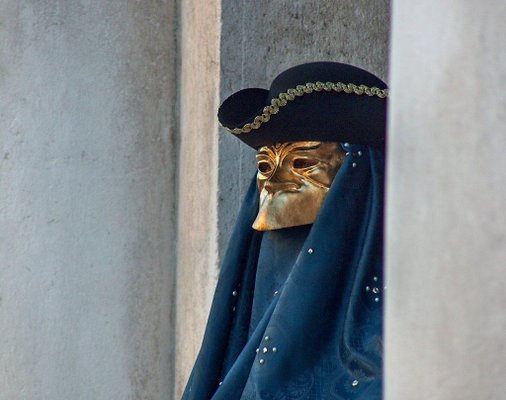
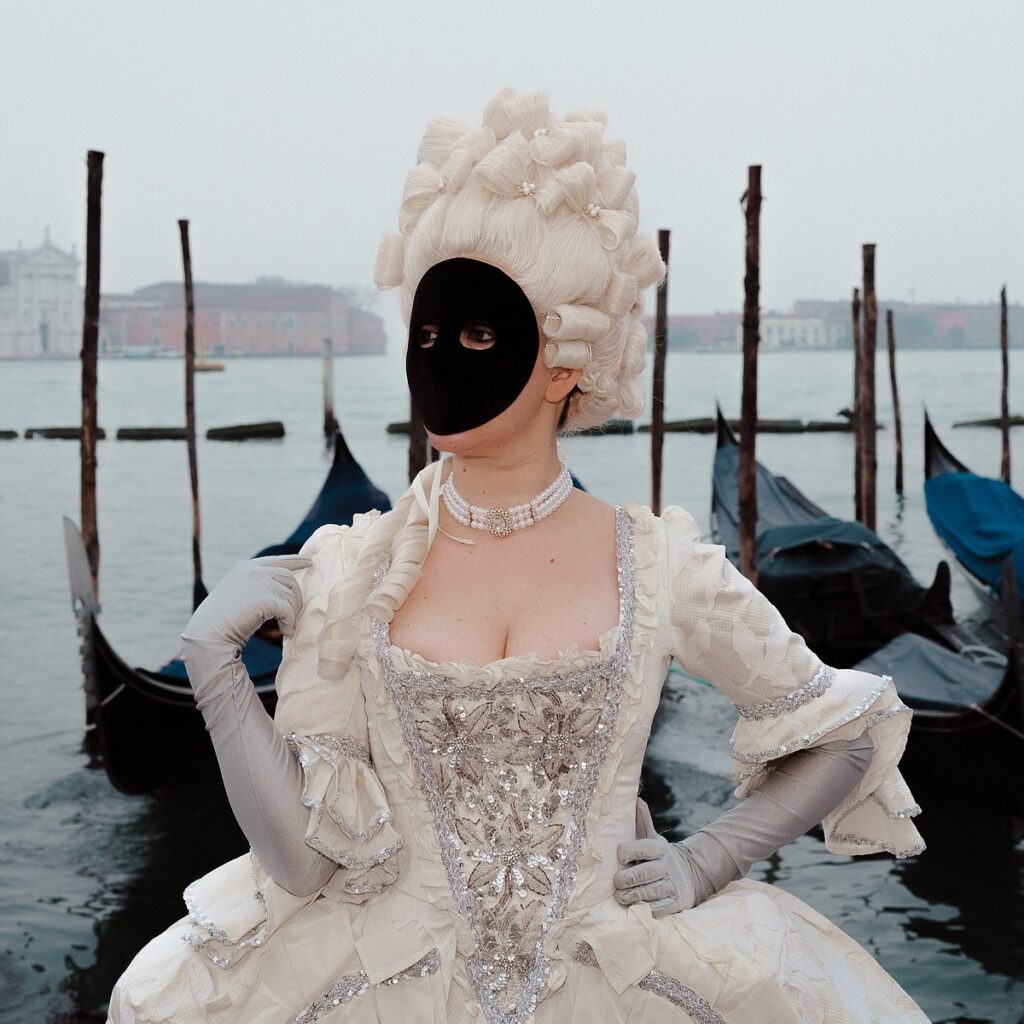
By the 18th century, Venice had replaced Rome as Italy’s Carnival centre. Masks became a defining feature, creating a temporary sense of equality between social classes. Celebrants could be seen without being recognised, challenging the city’s obsession with appearance and status.
Popular disguises included the bauta, a full mask with a cape and hat, and the moretta, a velvet mask worn by women that prevented them from speaking. Authorities banned carnival and masks under Austrian rule in 1797 and later under Mussolini, but artists kept the tradition alive. Venice revived carnival in the 1970s, and it continues today as a major cultural event.
Rio Carnival: A global cultural phenomenon
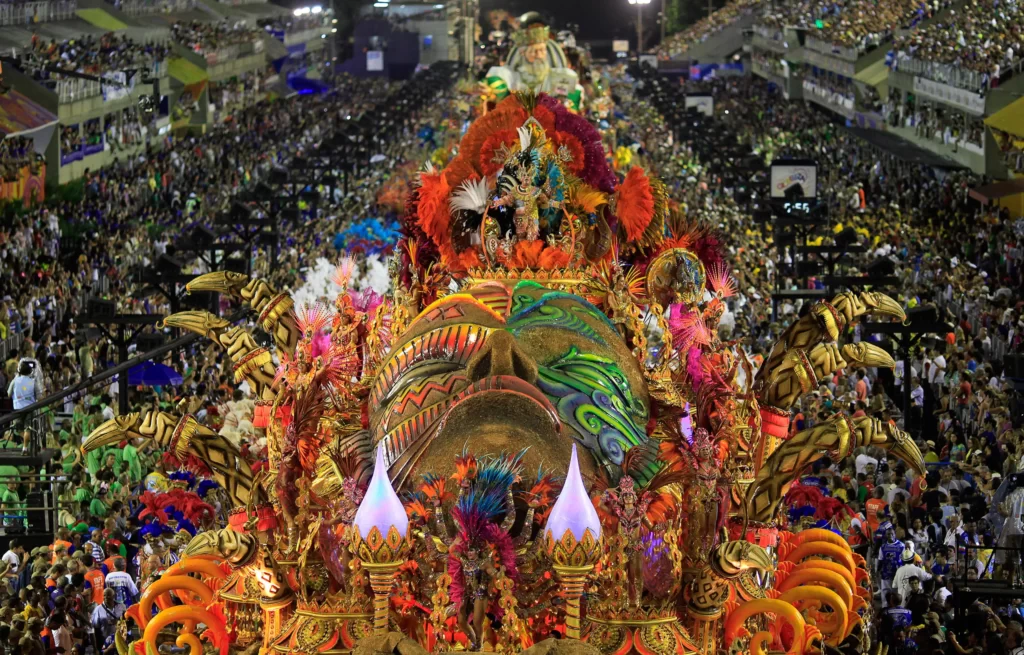
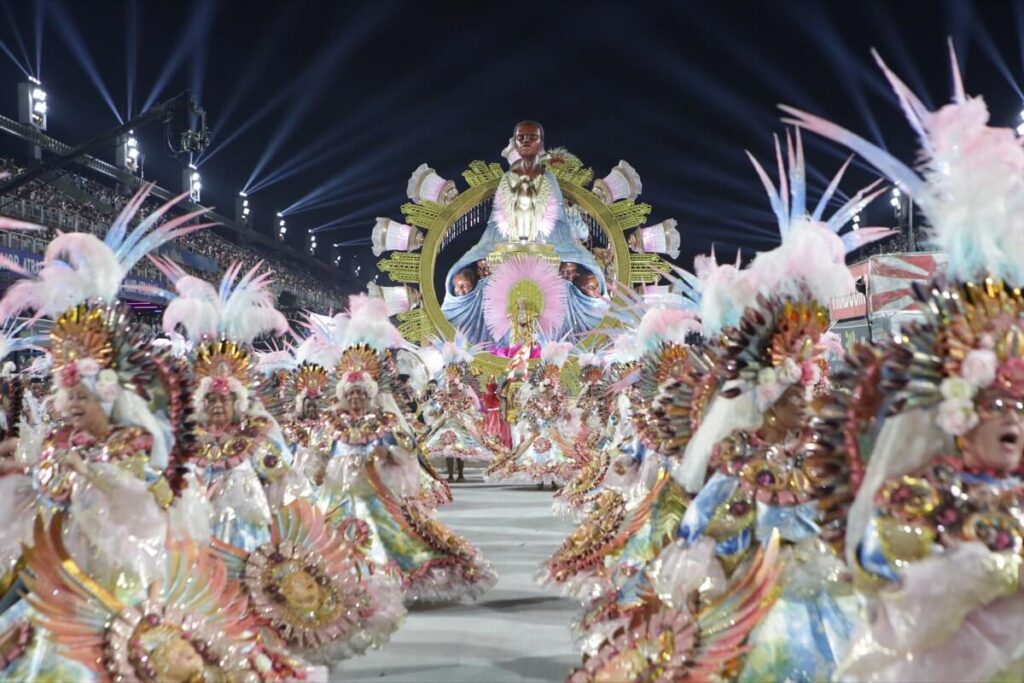
Rio de Janeiro’s Carnival has become the world’s largest, attracting millions of revelers each day. Street parties and samba school parades dominate the five-day festival, blending Portuguese, Indigenous and African influences. Samba music, dance and costumes reflect Brazil’s diverse heritage and helped shape national identity in the 20th century.
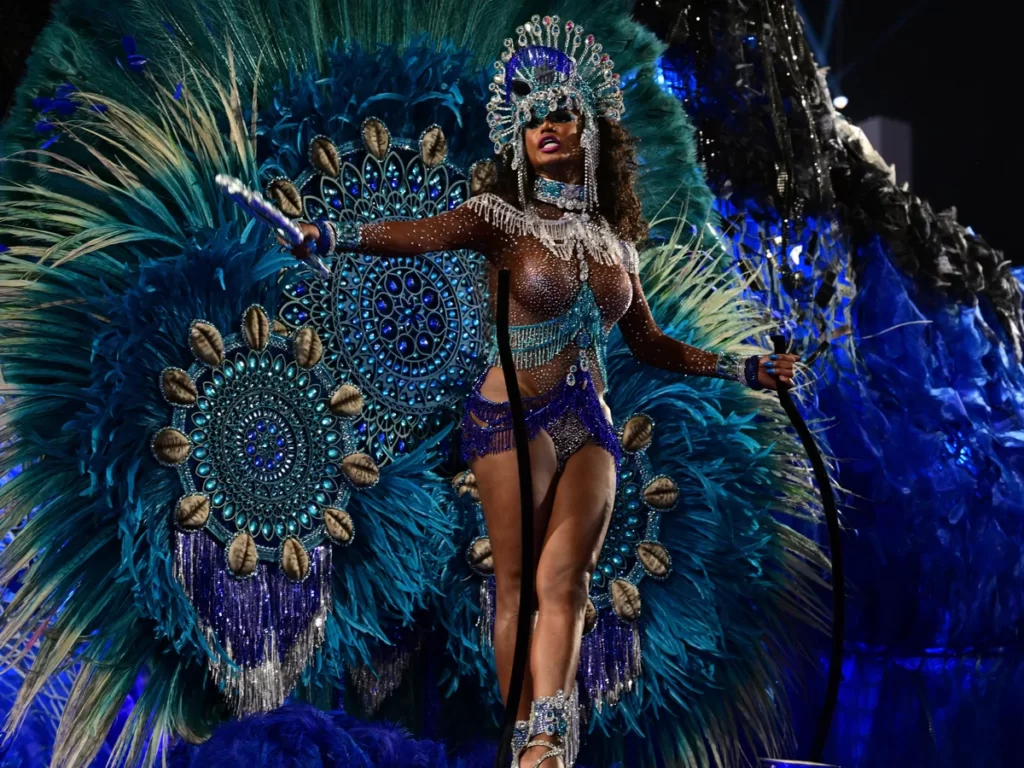
Cyprus brings carnival to life with satire and tradition
Cyprus adds its own flavour to carnival, blending ancient customs with modern street celebrations. Limassol hosts the island’s largest festivities, with colourful parades, satire floats and thousands of costumed participants filling the seafront. Smaller towns and villages keep older traditions alive, such as masquerades, folk dances and feasts centred on meat and wine before Lent begins. People gather in public squares for music or humorous performances, using carnival as a space for social commentary and collective release. The season ends with Green Monday, when families head outdoors for picnics, flying kites and eating fasting-friendly dishes, marking the shift from indulgence to reflection.
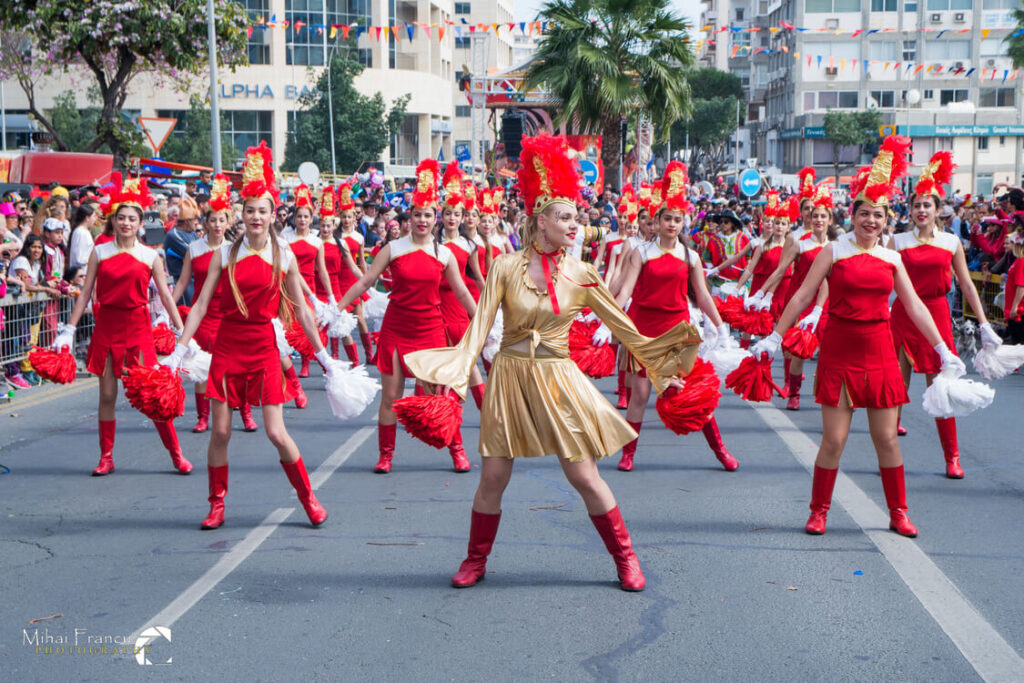
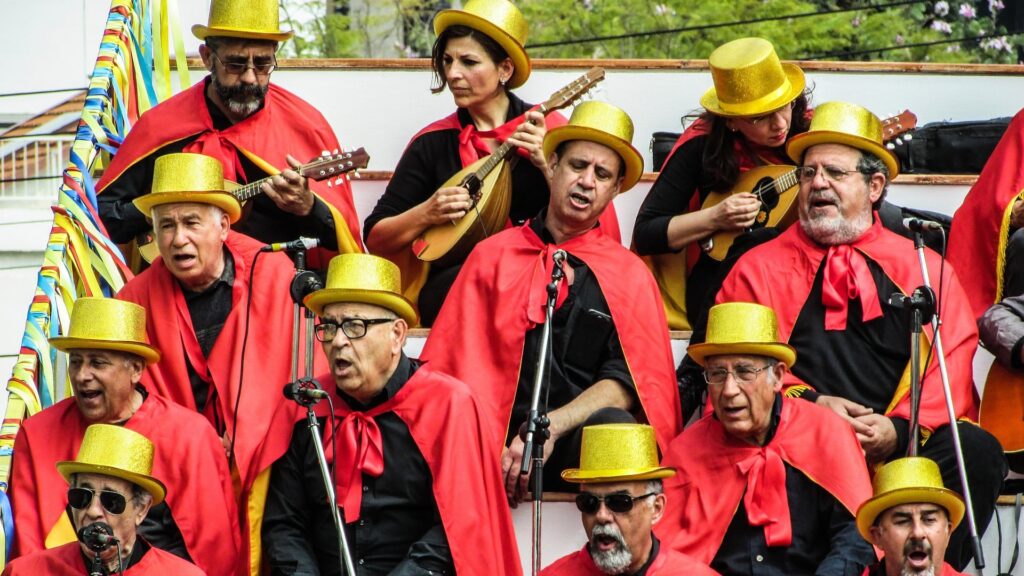
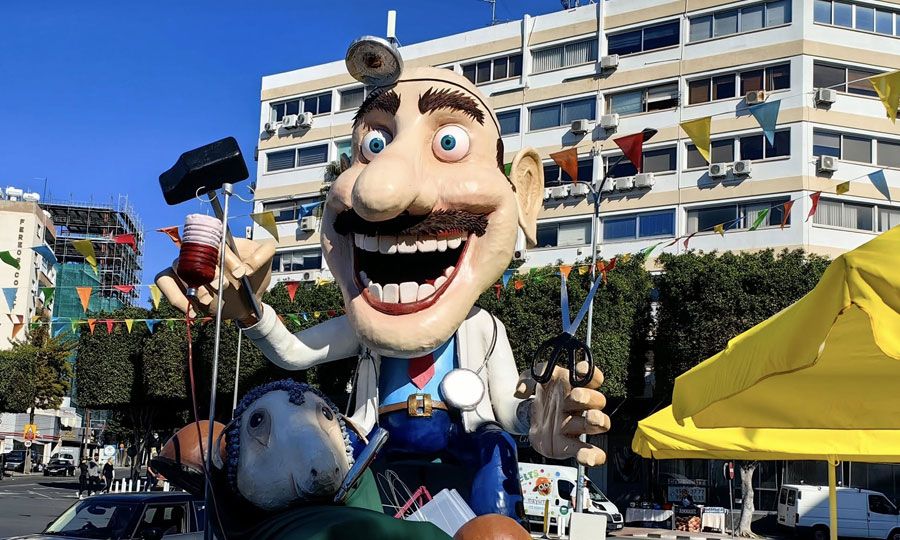
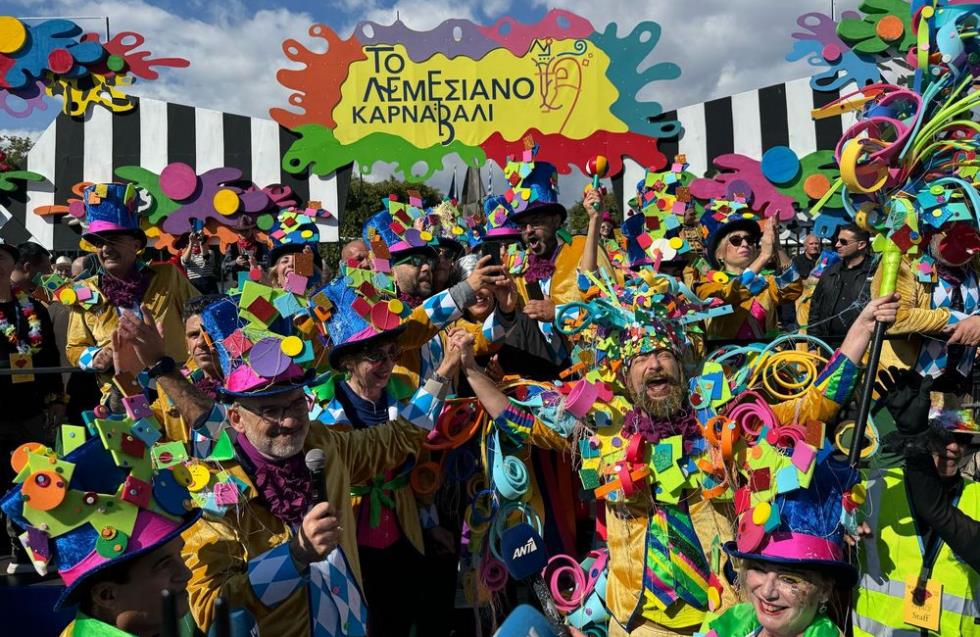
Also read: Limassol carnival 2026 celebrates passion and tradition
For more videos and updates, check out our YouTube channel
