

The Commandaria Diaries: Uncorking the Past
Wilbrand von Oldenburg, a German bishop who chronicled his travels around the Mediterranean, once wrote of Cyprus:
“The wines of this island are so thick and rich, as if they are meant to be consumed like honey on bread.”
The wine in question was Commandaria- thick not only in consistency, but in a tradition and a history more extensive than that of most sovereign nations. Commandaria is one of the oldest wines in the world, and certainly the oldest named wine.
From ancient Cypriots to crusaders, ancient kings to the Venetians, the Ottomans, and the British… the history of this wine has been shaped by each. And now, innovative winemakers are peeling back the layers to uncover what Commandaria really means, and how they might revive it.
Mentions of a sweet Cypriot wine- commonly believed to be Commandaria- date as far back as the 8th century BCE, in the writings of the poet Hesiod. He even described the sun-drying of grapes, which is still an integral part of the process today. The wine’s popularity endured through the centuries: in the 12th century it was served at the wedding of Richard the Lionheart and declared the “wine of kings and the king of wines”; in the 13th century it won a wine tasting competition held by the king of France; during crusader times the Knights Templar and- later- the Knights Hospitaller farmed the Commandaria region and produced the wine for export across Europe.
The peak for Commandaria, however, came in the 15th century, when Cyprus fell under Venetian rule. This was the wine’s true golden age, when it reached the height of its international prestige. It was exported to major commercial hubs such as Constantinople, Syria, Egypt, and throughout Europe. The wine was popular in the new markets, where fortified wines such as port and sherry had already cultivated a taste for thick, sweet wines.
By the time the Ottomans arrived, in the late 16th century, Cyprus had a booming trade in Commandaria. Legend has it that the sultan Selim II (aptly known as Selim the Drunkard) was motivated to invade Cyprus in part by his desire to acquire Commandaria. Unfortunately, Ottoman occupation led to a dramatic decline in the making of Commandaria- the high taxes they imposed led those who continued to make the wine to do so in secret, for personal consumption only. While the wine itself survived, the trade- and much of the technical knowledge behind it- did not.
In the 19th century, with the advent of British rule, Commandaria was suddenly back on the international market. The British, like the Venetians and crusaders before them, recognised the commercial potential of Commandaria, and production began to scale back up. To manage this, they introduced cooperatives to coordinate production, bringing entire villages together to harvest, dry, and press their grapes.
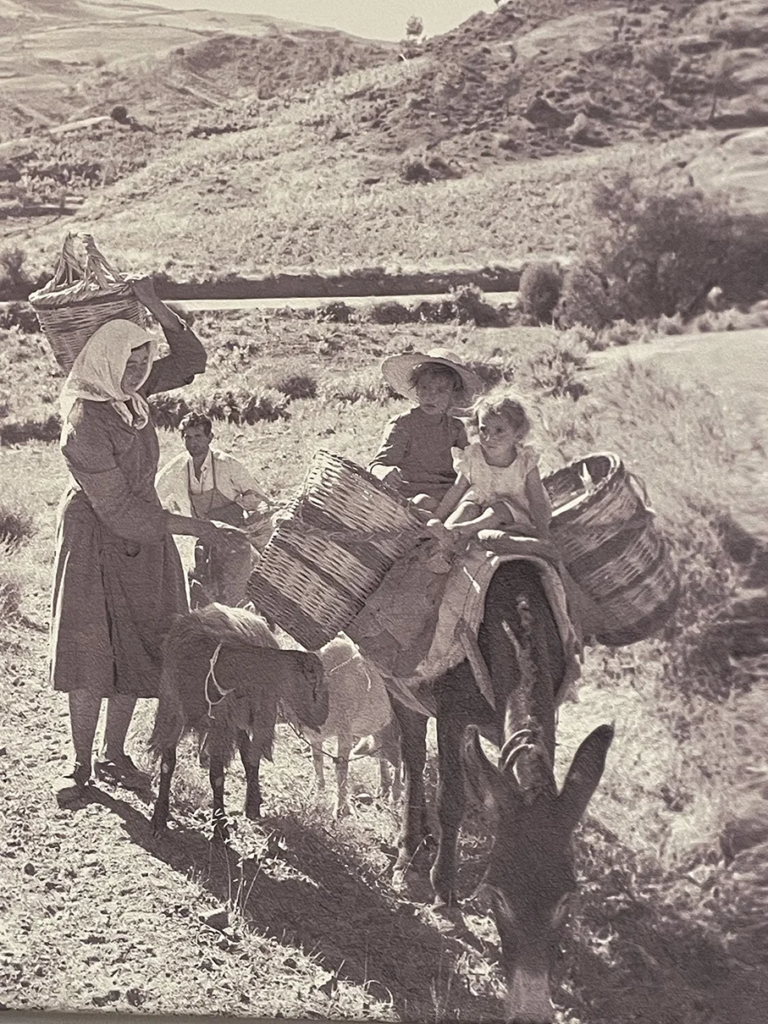
In place of the lost traditional technical knowledge, the British filled in the gaps with winemaking practices adapted from the fortified wines they were familiar with. Most notable was the introduction of oak barrels for ageing- a method not historically used in Cyprus.
This modernised version of Commandaria was the one that gained legal recognition in 1990, when the wine was granted a protected designation of origin (PDO). What this means is that, in order to be labelled Commandaria, the wine must meet strict requirements: it must be made from sun-dried Mavro and Xinisteri grapes, aged for at least two years in oak barrels, and produced within one of the 14 Commandaria villages in the foothills of the Troodos Mountains.
While the PDO protects the product commercially, it also essentially ‘froze’ the wine in its British-influenced form. What Cyprus is left with, then, is the oldest named wine in the world, with no way of knowing how far it is from what it was.
Orestis Tsiakkas, owner of Tsiakkas winery, laments that the PDO rules are too restrictive, barring the path to exploring more authentic styles. “Please blame the government requirements to age for 2 years in French barrels. It’s not even a 200-year-old tradition”.
The tide is turning, however. Recently, wineries like Revecca in Agios Mamas are experimenting with pre-modern techniques, trying to recover not just Commandaria’s history, but a key component of Cyprus’ cultural identity. Winemaker Nikolas explains they’ve acquired a stock of clay pitharia, similar to what Commandaria would have been fermented and aged in in years gone by. Some of these are as old as 300 years, and made- as the tradition always was- in the village of Fini, another key player in the trade.
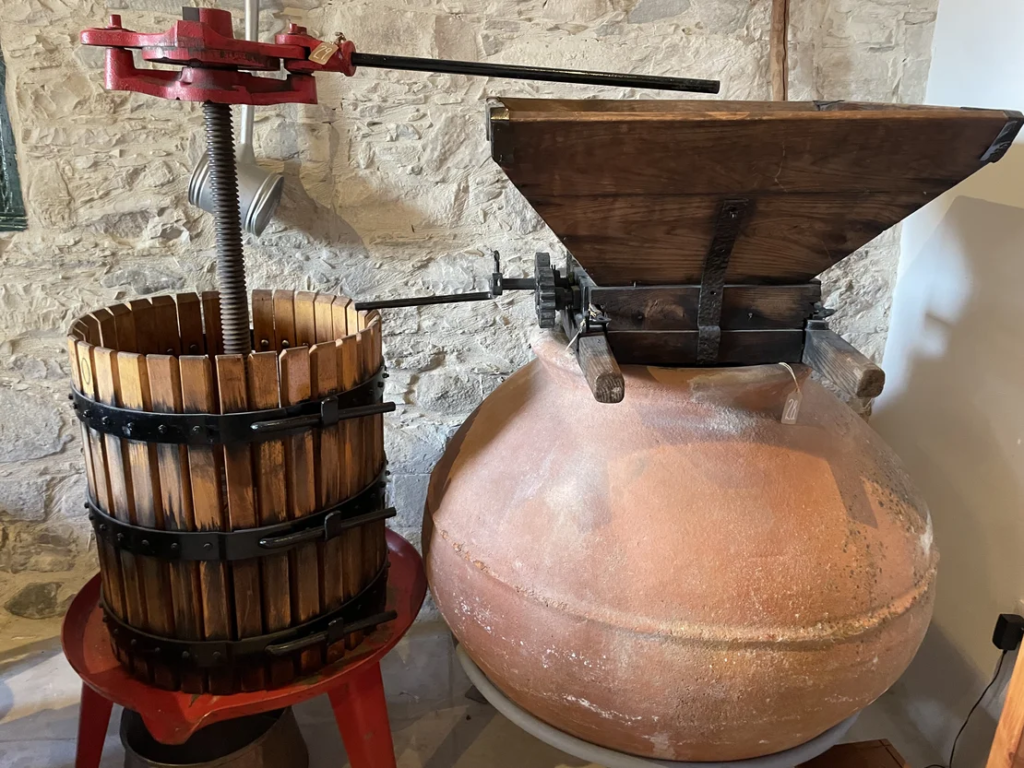
What they’re discovering are huge differences in the flavour, colour, and character of the wine, and they haven’t even begun the ageing process. While the PDO restricts this wine from being called Commandaria, it may in fact turn out to be closer to the true Commandaria than anything you could buy off the shelves. They’re even discovering unique properties of our indigenous Mavro and Xinsiteri grapes, ones that perhaps mean they fare better in clay than other grape varieties, which would explain their prevalence. While a lot is still speculation, the results so far are extremely promising.
The story is about more than just discovering new- or, in fact, old- ways to make wine. Whether Commandaria belongs in oak barrels, pitharia, steel fermentation tanks, or something else entirely, it’s a part of Cyprus’ cultural narrative. It’s a part of our history that- like our language, our faith, and our way of life- has survived generations of invasions, restrictions, and reinventions. Nowhere else in the world grows our grapes, or brews Commadaria. And, as Nikolas at Revecca winery says:
“Heritage isn’t just about what you used to do, it’s what you pass on.”
Change takes time but, maybe one day, what we leave for the future will be a new PDO, and a wine that continues to thrive for another 3,000 years.
