

The Golden Dawn trial marked one of the most significant judicial and political moments in modern Greece. On October 7, 2020, after more than five years of proceedings, an Athens appeals court ruled that Golden Dawn operated as a criminal organisation, convicting its leadership and members.
The verdict followed years of investigations into the far-right organisation, which had risen from the political margins to become a parliamentary force during Greece’s financial crisis.
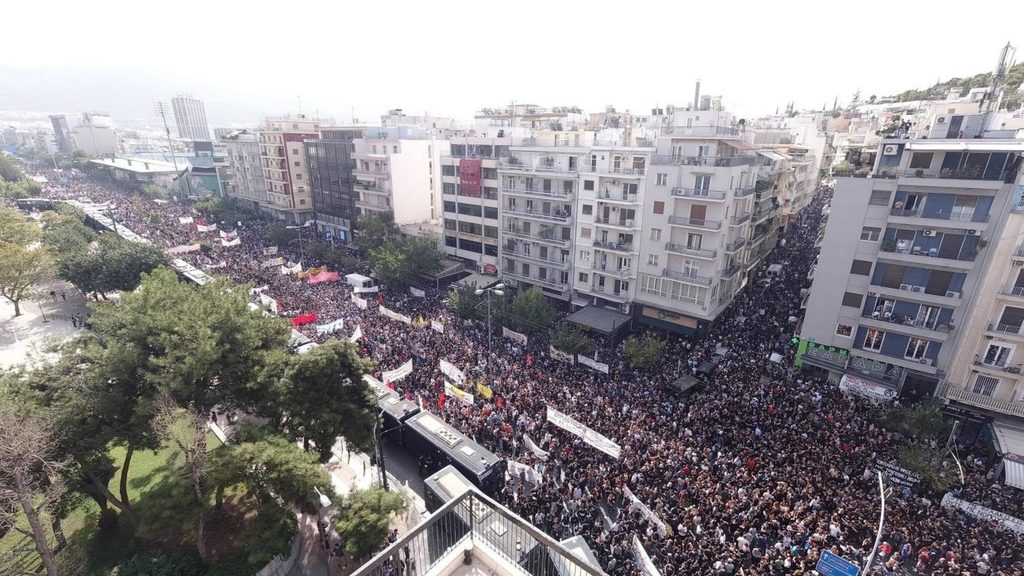
Thousands of people gathered outside the Athens Court of Appeal on the day the verdict was announced, waiting for the court’s decision.
From the political margins to Parliament
Golden Dawn, led by Nikolaos Michaloliakos, had operated on the fringes of Greek political life for decades before its electoral breakthrough during the financial crisis.
In the May 2012 elections, the party won 6.97% of the vote and secured 21 parliamentary seats. In the repeat election the following month, it received 6.92% and won 18 seats.
Golden Dawn remained in Parliament after the 2015 elections, winning 6.99% and again securing 18 seats, even as the criminal proceedings were already under way.
The party failed to cross the 3% threshold in the July 2019 general election and was left without parliamentary representation.
The murder that changed the case
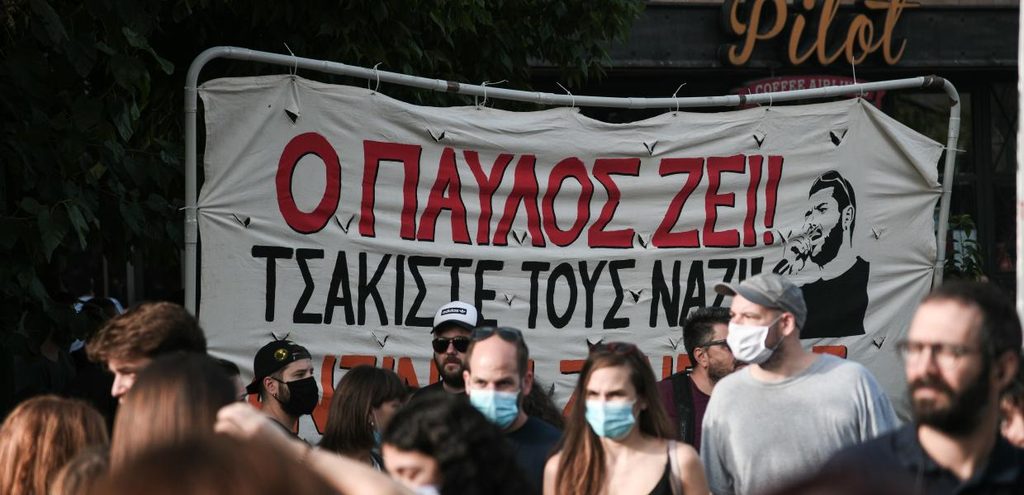
A turning point came with the murder of 34-year-old hip-hop musician Pavlos Fyssas in Keratsini on September 18, 2013.
Fyssas, who performed under the name Killah P, had publicly expressed anti-fascist views. He was with friends at a café when tensions escalated and a group of Golden Dawn supporters became involved.
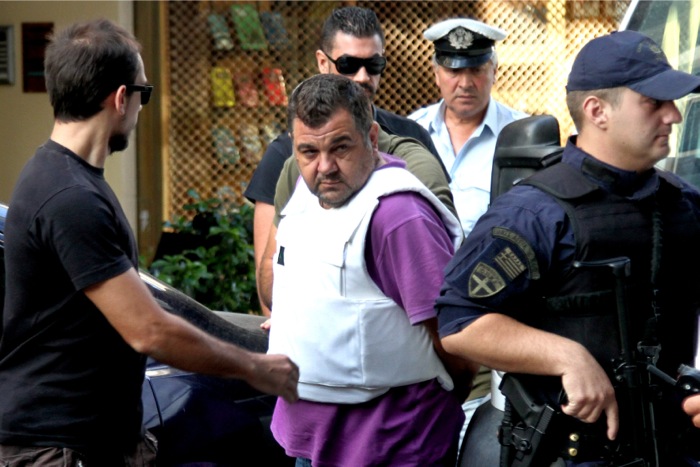
George Roupakias arrived at the scene and fatally stabbed Fyssas. Despite his injuries, Fyssas was able to identify his attacker to police.
The murder triggered a political and social shock in Greece and accelerated the investigation into Golden Dawn’s activities and organisational structure.

The trial and its central cases
The Golden Dawn trial involved 69 defendants, including local organisation members, senior figures, former MPs and the party’s leader, Michaloliakos.
Proceedings began on April 20, 2015, at the Court of Appeals in Athens, initially using a courtroom at Korydallos women’s prison. The proceedings lasted more than five years before concluding in October 2020.
The case examining whether Golden Dawn constituted a criminal organisation was heard alongside three major criminal cases: the murder of Fyssas, the attempted murder of Egyptian fisherman Abouzid Embarak in Perama in June 2012, and the attack on Communist Party-affiliated trade unionists and PAME members in Perama in September 2013.
Around 60 other cases involving alleged crimes by Golden Dawn members were also examined in connection with the wider proceedings.
The Perama attacks
The June 2012 attack involved four Egyptian fishermen who were assaulted by masked men at the house where they lived in Perama. One of the fishermen, Abouzid Embarak, was seriously injured.
The trial also examined the September 2013 attack on members of the Communist Party and PAME who were putting up posters in Perama. The attack came only days before Fyssas was murdered.
These cases formed part of the evidence examined by the court in assessing the organisation’s structure and activities.
The October 7, 2020 verdict
On the morning of October 7, 2020, presiding judge Maria Lepenioti began reading the court’s decision.
The court found Golden Dawn to be a criminal organisation under Article 187 of the Greek Penal Code.
Eight senior figures were convicted of directing the organisation, including Michaloliakos, Ilias Kasidiaris, Ioannis Lagos, Giorgos Germenis, Ilias Panagiotaros, Christos Pappas and Artemis Matthaiopoulos.
Other defendants were convicted of participating in the criminal organisation.
Roupakias was found guilty of murdering Fyssas. A number of other defendants were also convicted in connection with the attack, while two were acquitted due to reasonable doubt.
The court also found all defendants involved in the attack on the Egyptian fishermen guilty. In the PAME case, the charge was changed from attempted intentional homicide to dangerous bodily harm, with three defendants convicted.
The sentencing phase followed on October 22. Members of the leadership were ordered to serve prison sentences, while some of those convicted were granted suspended sentences subject to conditions.
The role of Pavlos Fyssas’ mother
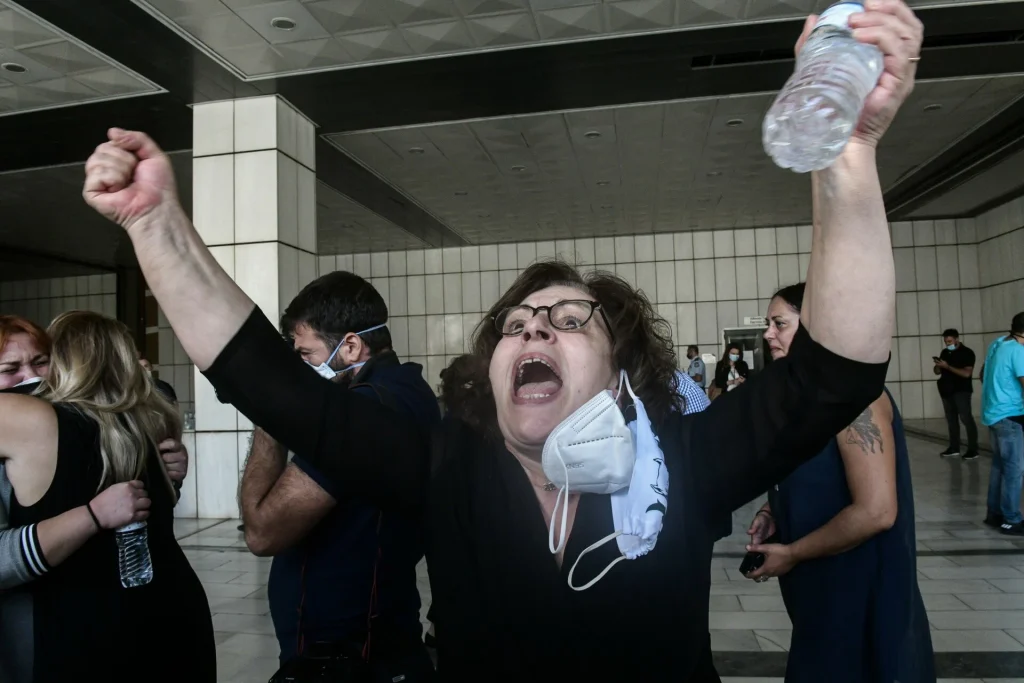
Throughout the lengthy proceedings, Fyssas’ mother, Magda Fyssa, became one of the most recognisable figures associated with the case.
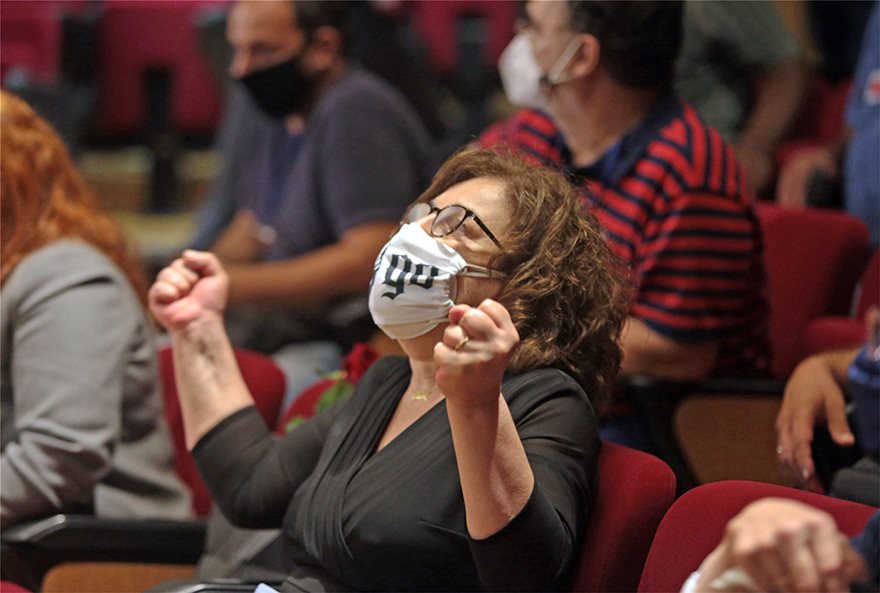
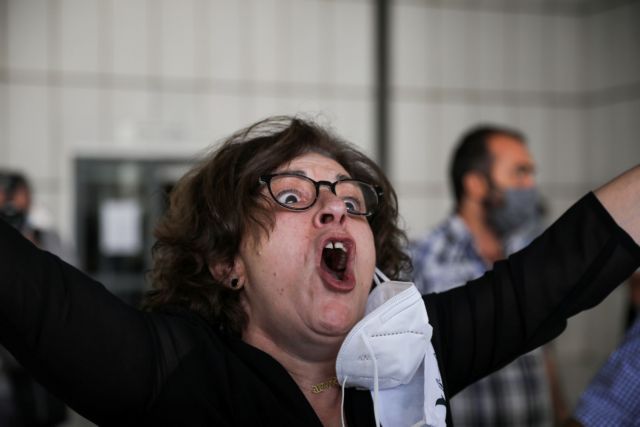
She attended much of the trial and was outside the Court of Appeal when the landmark verdict was announced.
The murder of her son had become the event that triggered the wider investigation, eventually leading to a trial that examined not only his death but the alleged organisational structure and criminal activity of Golden Dawn.
What happened to the leadership?
The convictions resulted in prison sentences for senior members of Golden Dawn. The case subsequently continued through the appeals process and later developments concerning the imprisonment and release of individual defendants.
By 2026, several defendants had been released after serving their sentences or obtaining release under the applicable legal provisions.
Nikolaos Michaloliakos is also outside prison under conditions, while six convicted defendants remained imprisoned according to the latest information provided: George Roupakias, Ioannis Lagos, Eleni Zaroulia, Giorgos Dimou, Konstantinos Papadopoulos and Giorgos Skalkos.
Roupakias is serving a life sentence for the murder of Fyssas.
Kasidiaris released in September 2026
One of the most recent developments came on September 15, 2026, when Ilias Kasidiaris was released from Domokos Prison.
According to information released by his defence, Kasidiaris had completed the sentence imposed on him for his leadership role in Golden Dawn, with his time in prison and credited work days taken into account.
After leaving prison, Kasidiaris said he intended to return to political activity. He referred to a new nationalist political party and said he planned to participate in future parliamentary elections.
His comments were political statements made after his release and do not alter the judicial findings in the Golden Dawn case.
Before his release, his lawyer Vaso Pantazi had announced that Kasidiaris would hold a press conference to address his political plans and reports concerning his possible participation in future elections.

From Parliament to prison
The Golden Dawn case was unprecedented in post-1974 Greece because it involved a political organisation that had secured a substantial parliamentary presence before its senior figures were convicted in a criminal case concerning its organisational structure and activities.
The October 7, 2020 verdict did not criminalise an ideology or the act of voting for a political party. The court’s decision concerned specific defendants, specific criminal acts and whether those acts were connected to the operation of a criminal organisation.
Seven years after Fyssas’ murder, the verdict formally linked the case to one of the most consequential criminal trials in modern Greek history.
At its centre remained the name of Pavlos Fyssas, the 34-year-old musician murdered in Keratsini in September 2013.
He did not live to see the verdict.
But on October 7, 2020, seven years after his death, the case surrounding his murder culminated in a landmark judicial decision that reshaped the legal and political legacy of Golden Dawn.
Also read:Ohi Day: Greece’s proudest “No” to tyranny
For more videos and updates, check out our YouTube channel
