

About this Summary
This summary was created with the help of artificial intelligence (AI) to help readers quickly understand the key points of the article.
It has been reviewed by our editorial team before publication. For complete information and full details, please read the full article.
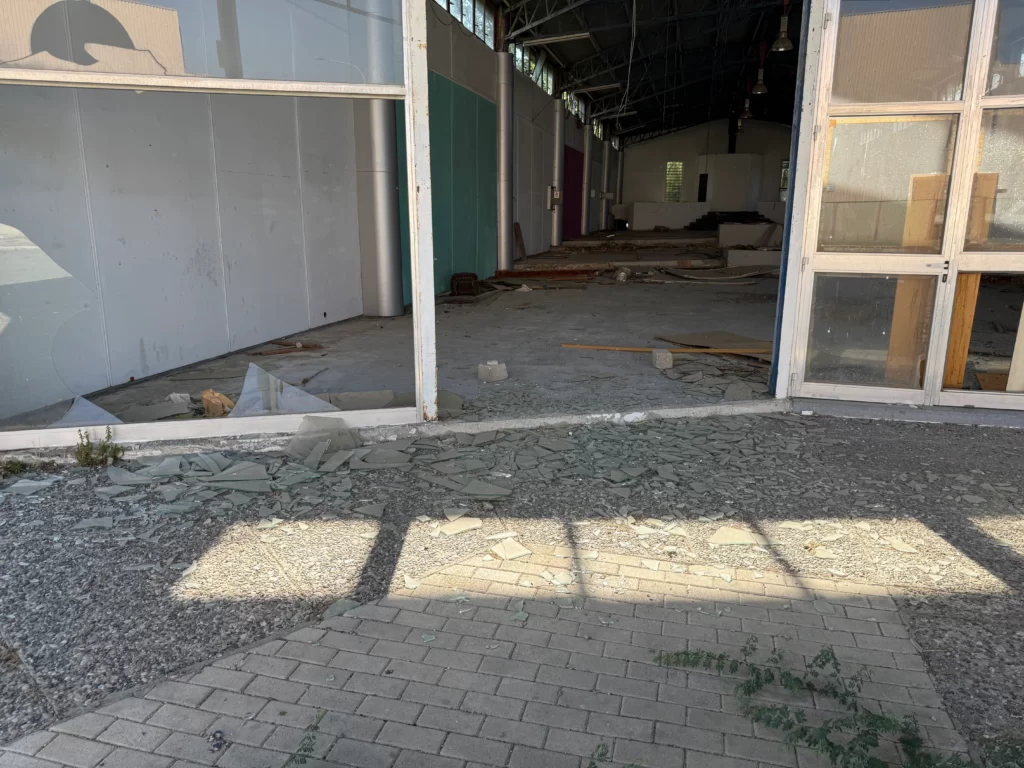
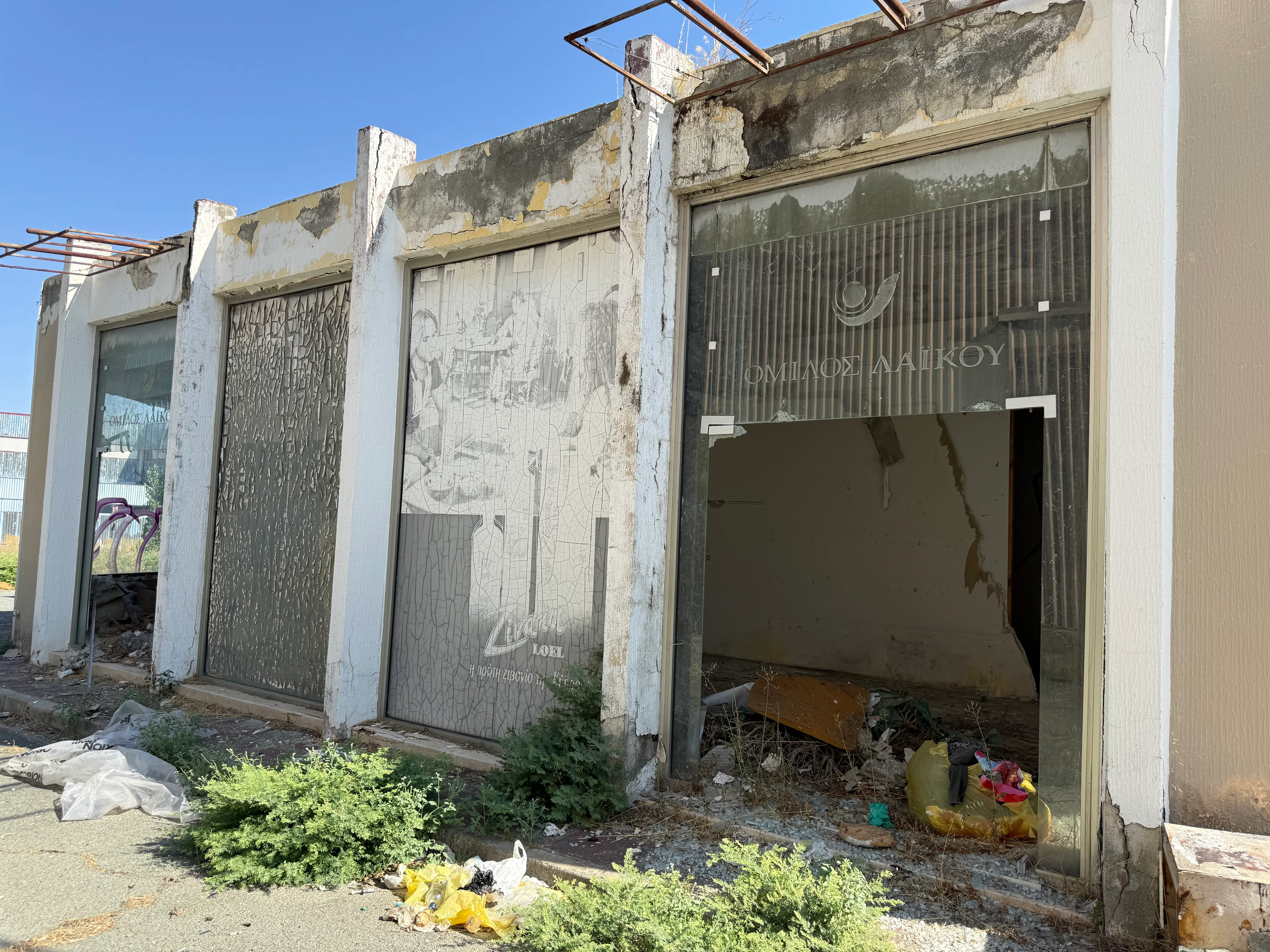
- Today, most exhibition halls are empty, with deserted streets and nature gradually reclaiming the neglected grounds.
- As exhibition activities shifted to modern venues, the site lost its central role and many buildings remained unused for years.
- Several historic buildings are regarded as important examples of post-war architecture and are expected to be preserved in future redevelopment.
- The site is set to become the Metropolitan Park of West Nicosia, featuring green space, recreation areas, cultural facilities and preserved exhibition buildings.
For decades, the Cyprus State Fair was one of the capital’s busiest landmarks. Every year, thousands of families visited the site, where children enjoyed amusement rides, businesses showcased new products and technologies, and exhibitors from Cyprus and abroad gathered under one roof.
More than just an exhibition venue, the Cyprus State Fair became part of the collective memory of generations of Cypriots.
From bustling venue to abandoned site
Today, the scene is vastly different. Most exhibition halls stand empty, the once-crowded streets are deserted, and nature has gradually begun reclaiming the grounds that welcomed thousands of visitors each year.
Where music, children’s laughter and loudspeaker announcements once filled the air, silence now dominates.
As exhibition activities gradually moved to modern venues, the site lost its central role, leaving many buildings unused for years. Ageing structures, abandoned halls and neglected facilities now serve as reminders of a place that was once at the heart of Cyprus’ social and commercial life.
Despite its decline, several historic buildings are considered important examples of post-war architecture and are expected to be preserved as part of the site’s future redevelopment.
During the COVID-19 pandemic, part of the complex was converted into a vaccination centre, while some exhibition halls continue to host occasional events and exhibitions.
A place filled with memories
For many Cypriots, visiting the State Fair was an annual family tradition. Strolling through the exhibition halls, attending concerts and cultural events, dining at restaurants and enjoying the funfair created memories that remain vivid today.
The venue also played an important role in introducing the public to technological innovations, government services and international exhibitors, making it one of the country’s most significant annual events for several decades.
A new vision for West Nicosia
The site’s future is now tied to the creation of the Metropolitan Park of West Nicosia, one of the capital’s most ambitious urban regeneration projects.
Under the proposed plans, the area will be transformed into a major green space featuring extensive recreational areas, walking and cycling paths, cultural facilities and public spaces accessible throughout the year.
Several landmark exhibition buildings will be preserved and repurposed, while plans also include the possible creation of a Museum of Contemporary Art.
The Municipality of Nicosia describes the redevelopment as one of the city’s largest development projects, aiming to revitalise the western part of the capital and create a new meeting place for residents and visitors of all ages.
Also read: Cyprus apartment prices climb as construction costs rise
For more videos and updates, check out our YouTube channel