

A remarkable archaeological discovery of a sarcophagus from Kouklia, the site of ancient Palaepaphos, is highlighting Cyprus’ long-standing connection to Homer’s epics, as interest grows in Christopher Nolan’s upcoming adaptation of The Odyssey.
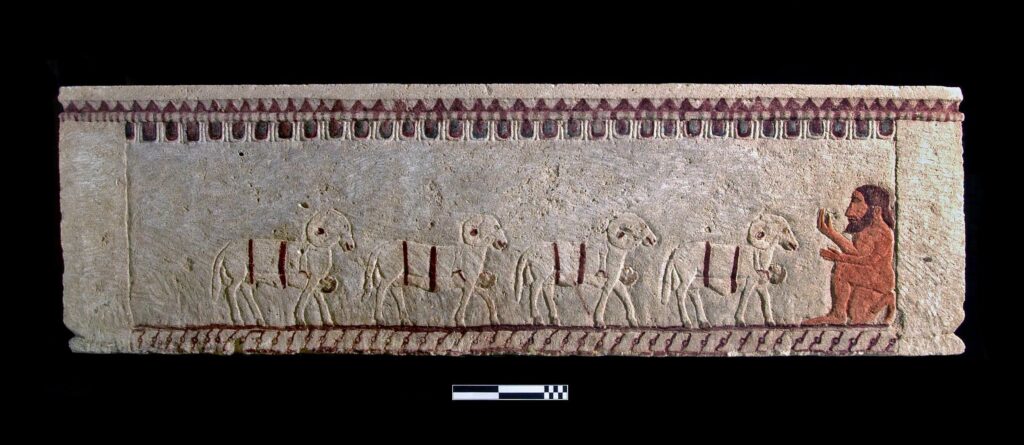
The ancient limestone sarcophagus, discovered in 2006, features one of the most iconic scenes from the Odyssey– Odysseus and his companions escaping from the cave of the Cyclops Polyphemus.
Rare discovery from ancient Cyprus
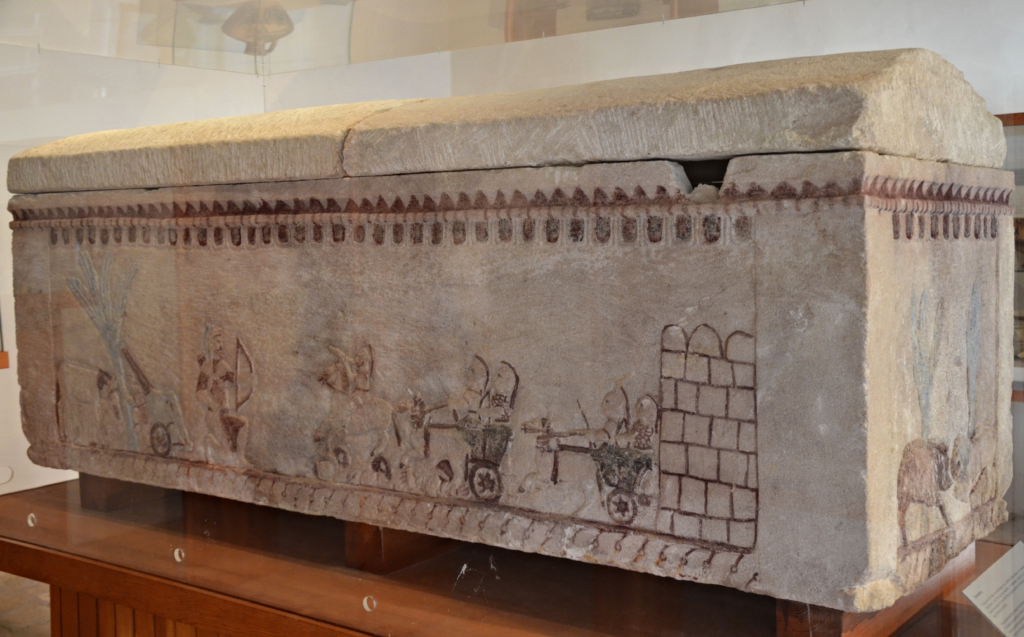
According to the Department of Antiquities, the limestone sarcophagus dates to the early 5th century BC. It was unearthed in Kouklia by archaeologist Dr Efstathios Raptou and is now on display at the Palaepaphos Local Museum.
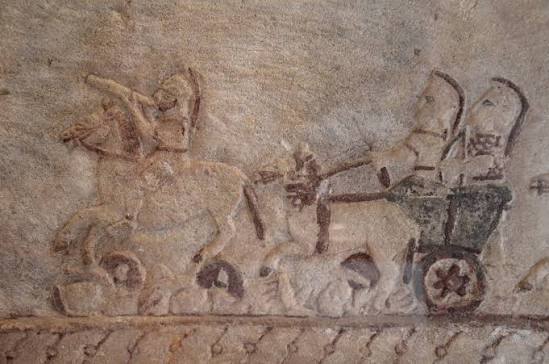
One of its longer sides depicts what is believed to be the siege of a city, with the participation of Heracles.
Odyssey scene carved in stone
The opposite side of the sarcophagus portrays the dramatic escape of Odysseus and his companions from the cave of the Cyclops Polyphemus, one of the best-known episodes from Homer’s epic.
According to the Department of Antiquities, the sarcophagus is strong evidence that Homer’s epics had reached Cyprus by the early Classical period, reflecting the spread of Greek mythology and the island’s close cultural links with the wider Greek world.
Also read: 10 of the best films to watch this July
For more videos and updates, check out our YouTube channel
