

The Cyprus Ministry of Interior is closely monitoring developments following the overnight drone attack on the UK’s RAF Akrotiri base, under the framework of the “ESTIA” Emergency Plan. The Ministry remains in full readiness, coordinating with all relevant agencies to provide support using available resources.
Civil Defence teams deployed to Akrotiri
Teams from the Civil Defence Force have been stationed at the Akrotiri Municipal District to inform residents and assist those who wish to move to temporary shelters. Patrols are ongoing in the area to provide aid as needed.
In cooperation with the Mayor of Kourion, the Deputy Mayor of Akrotiri, and the UK Bases Administration, Civil Defence personnel implemented precautionary measures immediately after the incident. Citizens were informed of the option to use the Limassol Emergency Shelter (KEN Limassol). From the outset, trained staff and volunteers were present to assist residents moving to temporary accommodation.
Preventive guidance for the public
Due to the volatile situation, the Ministry of Interior advises residents that, in the event of further incidents, sirens will sound in affected areas. Public announcements will also be made via radio, television, and other channels to guide people to the nearest shelters.
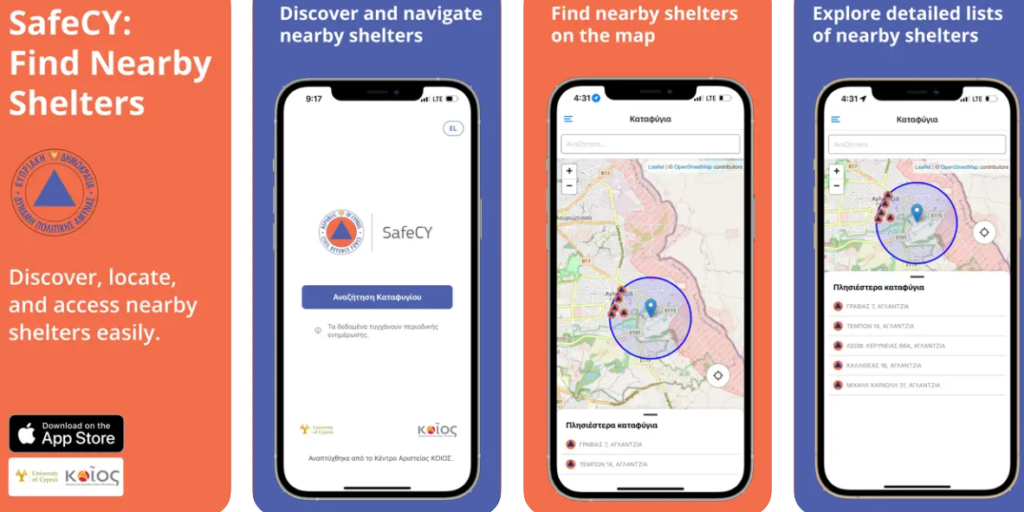
Shelters can be located through the “SafeCY” app or by contacting the Civil Defence Operations Control Centre at 22 403 451 or 22 403 452.
If no shelter is nearby, citizens should remain in a secure interior location within their home or workplace, such as basements or rooms with solid walls. Remaining indoors is preferable to staying outside. Trained Neighbourhood Wardens will also be deployed at key locations to guide residents and provide assistance.
Key safety instructions from Civil Defence
- Stay away from windows, doors, and glass during alerts.
- Keep a portable radio, flashlight, water, dry food, first aid kit, essential documents, medications, and cash ready.
- If indoors during an alert, lie flat and cover your head with your hands.
- If outside and no shelter is available, lie down in a small ditch or low area, remain calm, and follow official instructions.
For short-term shelter use:
- Identify the nearest shelter in advance.
- Prepare an emergency kit with essentials (water, food, medical supplies, flashlight, batteries, radio, documents, cash, and baby supplies if needed).
- Follow Civil Defence instructions to reach the shelter promptly.
- Maintain calm and keep access to reliable information sources.
Also read: Schools shut after Akrotiri drone incident
For more videos and updates, check out our YouTube channel