

From bus driver to U.S detainee
Nicolás Maduro, born on November 23, 1962, in the working-class El Valle neighborhood of Caracas to trade unionist father Nicolás Maduro Garcia and mother Teresa de Jesus Moros, embarked on an extraordinary political ascent that began with humble origins as a bus driver and Caracas metro worker leading the SITRAMECA union.
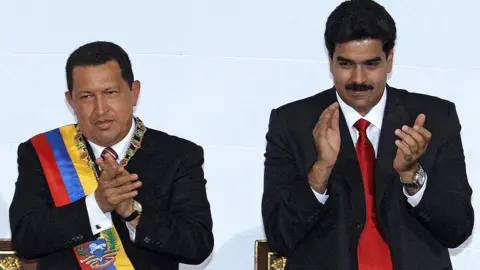
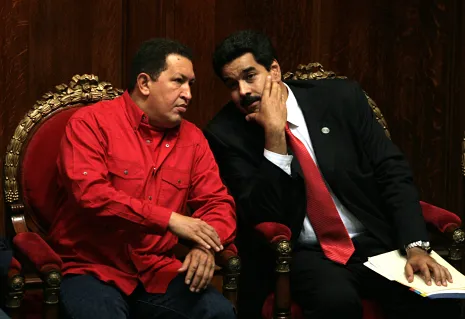
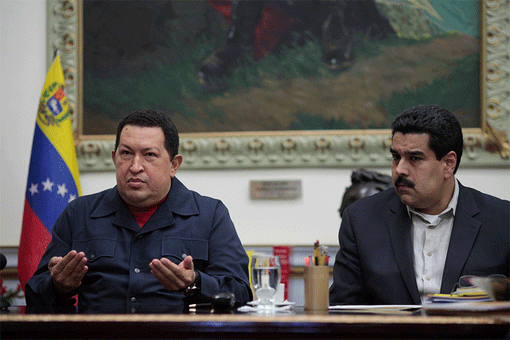
Influenced by leftist politics and trained for a year in Cuba at the Escuela Nacional de Cuadros Julio Antonio Mella under the “Union of Young Communists”, Maduro aligned himself with Hugo Chávez’s Bolivarian Revolution following Chávez’s failed 1992 coup attempt, forging a deep personal and ideological bond.
He met his future wife, Cilia Flores, on Chávez’s defense team that secured the leader’s release in 1994.
Progressing through key roles including National Assembly president, foreign minister from 2006 to 2012, and vice president in 2012 amid Chávez’s declining health, Maduro assumed the interim presidency upon Chávez’s death in March 2013.
He narrowly won the subsequent special election in April, immediately expelling US diplomats as “historical enemies” while labeling domestic opposition “fascists” intent on national division.
Maduro’s authoritarian rule and crises
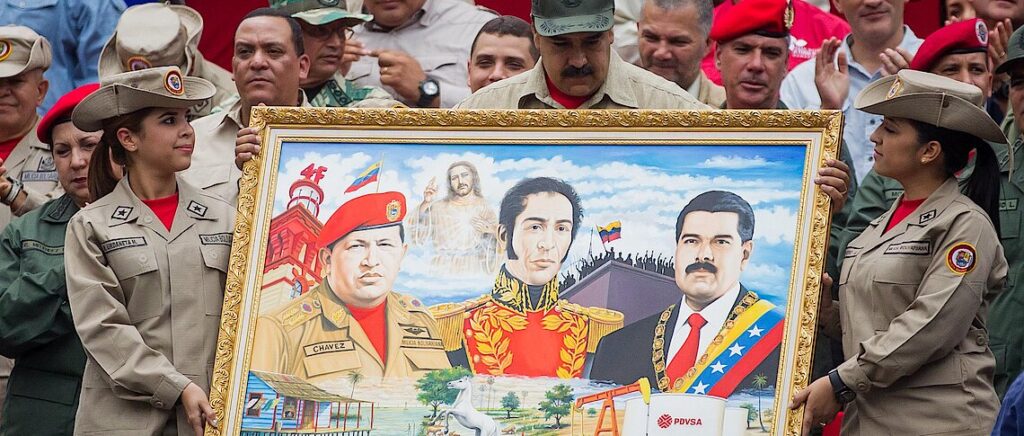
As Chávez’s anointed successor, Maduro steadfastly defended Chávismo socialism through 12 tumultuous years marked by economic catastrophe; including hyperinflation that rendered a coffee purchase requiring wads of worthless banknotes, collapsing hospitals driving pregnant women to flee the country. Chronic shortages of essentials, and a precipitous drop in oil production from 3.5 million barrels per day in 1999 to just 1.1 million by 2025, despite oil comprising over 90 percent of export revenue.
Blaming woes on “imperialist sabotage” by local elites and foreign powers rather than acknowledging mismanagement, nationalizations, and statist policies, Maduro’s regime drew widespread accusations of dictatorship characterized by electoral fraud in the boycotted 2019 vote and disputed 2018 and 2024 elections.
Opposition vote tallies showed Edmundo González winning by a landslide. The regime faced charges of human rights abuses. The UN and Human Rights Watch documented thousands of extrajudicial killings. Maduro suppressed protests in 2014, 2017, and later years. Those crackdowns claimed over 140 lives. US authorities tied him to narco-terrorism through alleged leadership of Cartel de los Soles.
Juan Guaidó declared himself interim president in 2019. Over 50 nations recognized him, including the US and EU. Still, Maduro held on. He ruled by decree after 2015. A loyal Supreme Tribunal stripped the opposition-led National Assembly of power. He created a controversial 2017 Constituent Assembly to bypass legislature. Maduro controlled state media, the military, courts, and the PSUV party.
Press freedom collapsed. Venezuela dropped 42 places in the Press Freedom Index from 2013 to 2023. The EU refused to recognize his assemblies. US sanctions kept coming. They peaked with his November 2025 designation as a foreign terrorist organization member.
Economic devastation and oil revival challenges
Maduro’s tenure wrought 7 million refugees, extrajudicial deaths, and oil collapse despite heavy “sour” crude ideal for diesel, asphalt, and Gulf Coast refineries optimized during past Venezuelan/Mexican flows.
Venezuela’s heavy oil could help fix global diesel shortages caused by Russian sanctions. US Gulf Coast refineries are built to process it efficiently, they used to get lots from Venezuela and Mexico.
But don’t expect big price drops soon. Brent crude is steady at $60.57 a barrel. WTI sits at $57.09. OPEC controls quotas. Markets already have surplus supply. Venezuela only produces 1% of the world’s oil now—1.1 million barrels a day versus 3.5 million back in 1999.
Getting back on track won’t be quick. PDVSA’s infrastructure is in ruins after years of nationalizations and poor management. ExxonMobil and ConocoPhillips need political stability and solid contracts before investing. Right now, only Chevron is operating there, pumping 250,000 barrels daily.
Long-term, Venezuela could be an oil powerhouse again. That depends on smart leadership and fixing the basics first. Experts predict slow gains at the start.
Dramatic US raid ends Maduro era
The regime ended suddenly on January 3, 2026, at 02:01 local time (06:01 GMT).
US Delta Force led the raid. That’s the military’s elite counter-terrorism unit. They stormed Maduro’s fortified compound in Caracas. The operation was carefully planned, involving over 150 aircraft. CIA intel came from a Venezuelan government source.
They cut power across the capital. Airstrikes provided cover, while targets included five key sites. Those were Generalissimo Francisco de Miranda Air Base (La Carlota), Fuerte Tiuna military facility, Port La Guaira, Higuerote Airport, and Antenas El Volcan telecom towers. No US troops died. There were only “few” injuries.
Maduro almost escaped, when he reached a steel-fortified safe room, but he couldn’t seal it. That led to his and his wife’s, Cilia Flores, capture. Flores is a prominent lawyer, who served as attorney general and National Assembly head. Supporters called her the “first combatant.”
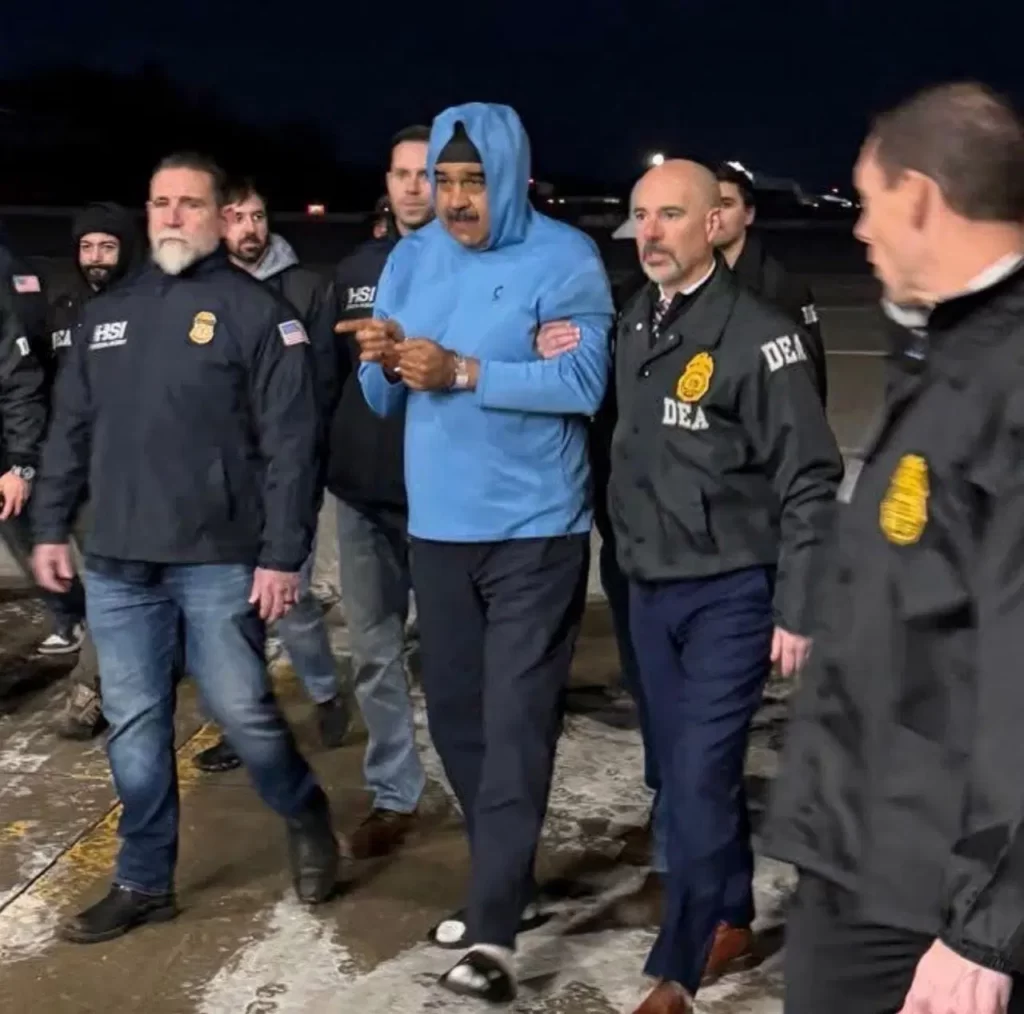
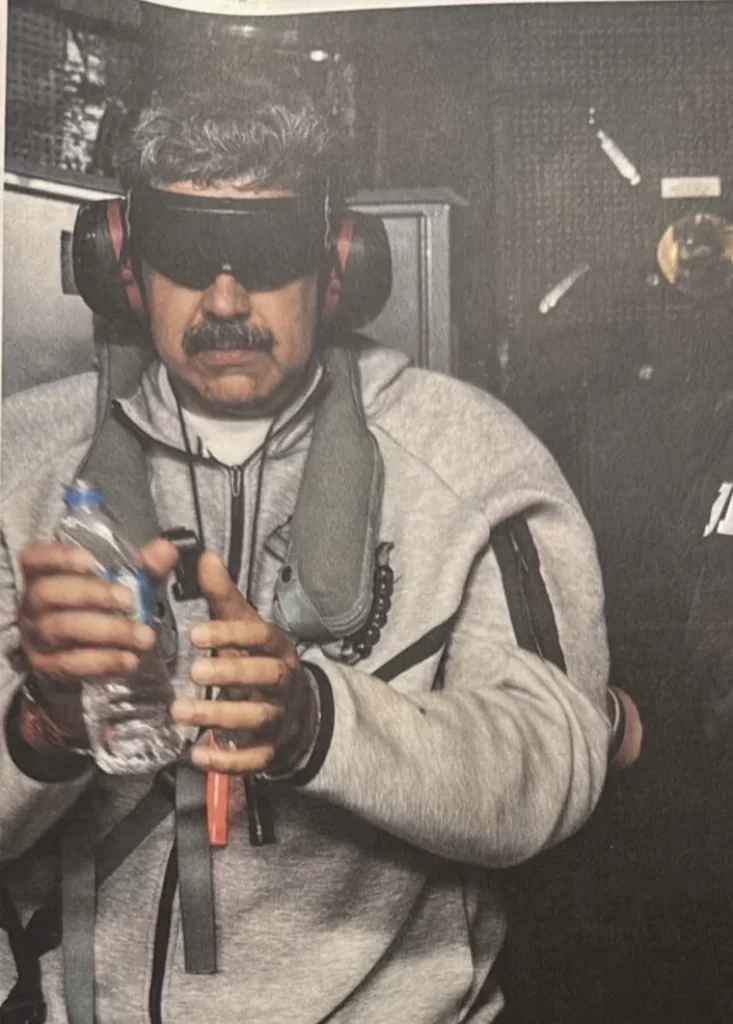
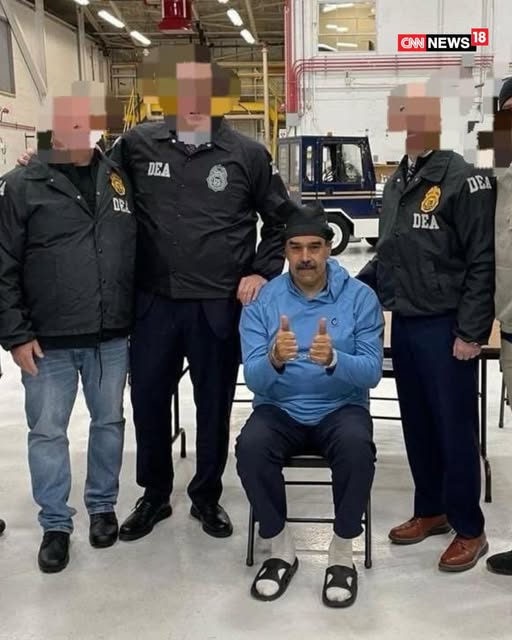
They extracted both via the USS Iwo Jima amphibious assault ship. Then came a flight to Stewart Air National Guard Base. From there, they went to New York’s Metropolitan Detention Center in Brooklyn. Both await arraignment Monday afternoon in Manhattan federal court. Charges include narco-terrorism conspiracy, cocaine importation, machine gun possession, and destructive devices against the US.
President Donald Trump shared photos of Maduro aboard the USS Iwo Jima on Truth Social. Trump hailed the mission’s success.
Venezuela’s Defense Minister Vladimir Padrino López responded, claiming heavy casualties. Those hit Maduro’s security detail, soldiers, and “innocent civilians.” He gave no specific numbers. The government is compiling death tolls. They say strikes hit civilian zones.
Rodríguez emerges as interim amid continuity
Venezuela’s Supreme Court swiftly swore in Maduro loyalist Vice President Delcy Rodríguez as interim president, convening her first cabinet Sunday at Miraflores Palace alongside holdovers like Defense Minister , Interior Minister, Information Minister, National Assembly President, and Foreign Minister, forming a high-level committee to demand Maduro and Flores’s release. They are broadcasting the session on state TV to project stability.
Via Telegram, Rodríguez publicly advocated “balanced relations governed by respect, sovereign equality, and non-interference,” inviting Washington to a “cooperation agenda for shared development”, contrasting her colony refusals, though Rubio stressed judgment by actions over rhetoric, retaining “multiple levers” absent right decisions.
Trump dismissed opposition icon María Corina Machado’s leadership viability despite her 2024 rally for apparent landslide winner Edmundo González and 2025 Nobel Peace Prize, signaling preference for co-opted continuity over full democratic upheaval.
Trump’s governance claim and Rubio clarification
Aboard Air Force One on Sunday, President Trump asserted direct US authority, declaring “we govern Venezuela” in negotiations with newly sworn officials, promising a “group effort” for safe transition while eyeing the world’s largest proven oil reserves at 303 billion barrels for American companies to “rebuild broken infrastructure, extract tremendous wealth for Venezuelans and US reimbursement through exports”.
Trump threatened Colombia’s Gustavo Petro as a “sick guy making cocaine for US markets” where intervention “sounds good,” and deeming Cuba’s regime “ready to fall” without aid.
Facing backlash including Senate Democratic Leader Chuck Schumer’s warnings of Iraq/Afghanistan-style nation-building costs in “blood and dollars,” Secretary of State Marco Rubio walked back direct rule on ABC’s This Week and NBC’s Meet the Press, framing strategy as “running policy” via sustained oil quarantine, tanker seizures, Caribbean military buildup, and over two dozen recent strikes on narco-trafficking vessels killing over 100: “Their economy stalls until US national interests and Venezuelan people align; leverage remains to achieve results”.
Trump retained “all optionality” for further action; Rubio tasked Interior Secretary Doug Burgum and Energy Secretary Chris Wright to gauge Western oil firm interest beyond Chevron’s sole 250,000 bpd joint ventures with PDVSA, emphasizing private non-Iranian investment to modernize governance while blocking sanctioned flows, anticipating “dramatic interest” despite decayed infrastructure demanding $100 billion and a decade for 4 million bpd recovery from corruption, mismanagement, and Hugo Chávez’s 2007 nationalizations expelling ExxonMobil and ConocoPhillips.
Global condemnations and geopolitical ripples
Russia branded the raid “armed aggression”; China and Iran demanded immediate release; Latin neighbors Colombia’s Petro, Brazil, Mexico, Cuba’s Miguel Díaz-Canel condemned sovereignty violations; Argentina’s Javier Milei celebrated “freedom”.
UN Secretary-General António Guterres expressed “deep concern” over international law breaches; EU diplomat Kaja Kallas reiterated Maduro’s illegitimacy while insisting on peaceful transition and legal respect.
UK Prime Minister Keir Starmer pledged discussions with Washington “shedding no tears” for Maduro; Spain’s Pedro Sánchez rejected non-recognition of intervention breaching law toward regional uncertainty. Experts invoke Noriega’s 1989 Panama abduction, Gulf War echoes, and Iraq/Afghanistan quagmires under revived “Trump Corollary” to Monroe Doctrine denying Russia/China “axis” hemispheric access.
Sources: BBC, Al Jazeera, The New Yorker, CNBC
Also read: How the US attack on Venezuela unfolded
For more videos and updates, check out our YouTube channel.
