

If it sometimes feels as though the meaning of Christmas has been buried under wrapping paper and shopping lists, looking beyond familiar traditions can be unexpectedly grounding. Around the world, Christmas traditions take many different forms, shaped by history, climate and cultural values.
While gift-giving exists in many countries, it is often not the central focus. In some places, Christmas is about ritual, reflection or shared experience rather than exchange. From quiet candlelit evenings to communal celebrations that spill into the streets, these customs show how Christmas traditions can be meaningful without being materialistic.
Here are seven Christmas traditions from around the world that put people, presence, and community first.
Iceland: Reading by candlelight on Christmas Eve
In Iceland, the weeks before Christmas are marked by the jólabókaflóð, or “Christmas book flood”, when publishers release most of the year’s new titles. The tradition dates back to the Second World War, when paper was one of the few unrationed resources, making books a practical and popular gift.
On Christmas Eve, families exchange presents, eat dinner, and then spend the evening reading their new books by candlelight, often with chocolates and a warm drink nearby. It is a quiet, reflective ritual, and one of the easiest Christmas traditions to adopt anywhere.

Japan: Christmas as a celebration for couples
In largely non-Christian Japan, Christmas is not a family-centred holiday but a romantic one. Christmas Eve is treated much like Valentine’s Day, with couples booking restaurant tables, hotel stays and illuminated winter walks.
Food traditions differ too, with kurisumasu keki– a light sponge cake topped with cream and strawberries- replacing heavy festive meals. The emphasis is on intentional time together rather than obligation or excess.
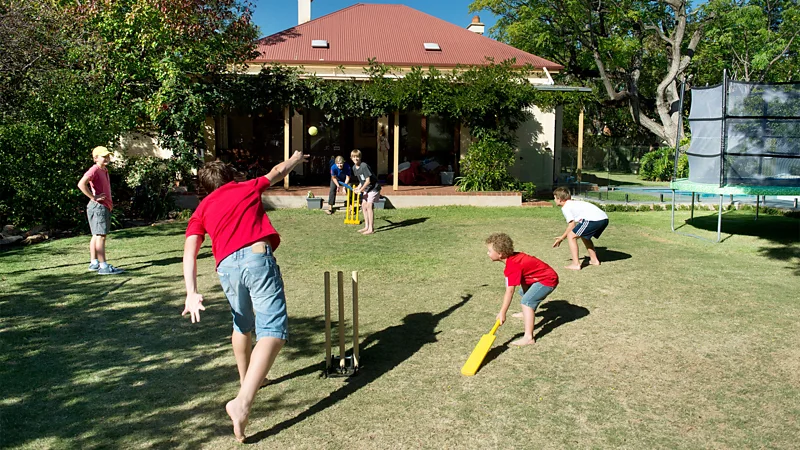
Australia: A family game of Christmas cricket
For many Australians, Christmas Day is synonymous with sunshine, food and a friendly game of backyard cricket. All ages take part, rules are flexible, and the focus is firmly on inclusion rather than competition.
The tradition is less about sport than shared participation. For colder climates, the same spirit can be captured with board games or group activities that bring generations together.
Finland: Remembering ancestors at Christmas
In Finland, Christmas Eve includes a visit to the cemetery to light candles on the graves of deceased relatives. According to This Is Finland, around three-quarters of households take part, transforming graveyards into peaceful landscapes of snow and flickering light.
Though cemeteries can be busy, the tradition is considered a moment of calm and reflection in an otherwise hectic season. Many families then continue the evening with another cherished ritual: the Christmas sauna.
Ukraine: Decorating with spider webs
In western Ukraine, Christmas trees are often decorated with shimmering spider webs rather than baubles. The custom comes from a folktale in which a poor woman’s tree is transformed overnight by a spider’s silvery web, bringing her family good fortune.
Delicate webs are crafted from paper or wire and draped across branches. Finding a real spider or web is considered lucky, and it is customary not to remove them during the festive period.
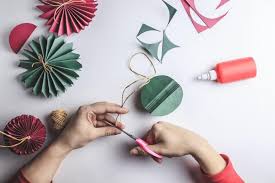
Denmark: Making decorations by hand
A klippe-klistre day- literally “cutting and sticking”- is an essential Danish Christmas ritual. Homes, schools and workplaces hold crafting sessions to make paper hearts, stars, and garlands together.
Fuelled by cookies, æbleskiver and mulled wine, the tradition embodies hygge: warmth, creativity, and togetherness. Even simple handmade decorations become meaningful when created collectively.
Venezuela: Skating to early-morning church services
In Venezuela, the days leading up to Christmas include lively church services known as Misa de Aguinaldo, often accompanied by bells and fireworks. In some areas, people travel to these early-morning services on roller skates.
Children traditionally go to bed early so they can wake for the dawn mass, while adults skate through quiet streets together. The result is a joyful, communal celebration that turns a solemn ritual into shared experience.
These Christmas traditions may look very different, but they share a common thread: the season is not defined by what is exchanged, but by what is shared. In a time often dominated by consumption, they offer a reminder that meaning is found in presence, memory and community.
Also read: 10 Days of Christmas Spirit: Day 1
For more videos and updates, check out our YouTube channel
